
Textile Fragment
Unknown Artist
early 19th century
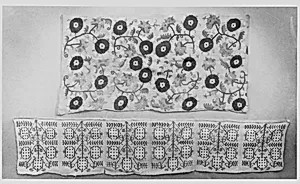
Medium
Linen, silk; plain weave, embroidered
Dimensions
H. 39 in. (99.1 cm) W. 20 in. (50.8 cm)
Classification
Textiles-Embroidered
Department
Islamic Art
Museum
Metropolitan Museum of Art, New York, NY
Credit
Anonymous Gift, 1879
Accession Number
79.1.35
Rights
Public Domain
Tags
Art Historical Context
This exquisite *Textile Fragment* from the early 19th century offers a glimpse into the refined world of Islamic textile arts. Crafted from linen and silk using a plain weave foundation and intricate embroidery, it measures an impressive 39 inches high by 20 inches wide. delicate floral motifs, a hallmark of Islamic design, likely evoke the lush gardens of paradise—a recurring theme symbolizing beauty, fertility, and spiritual harmony in the culture. In the Islamic world, embroidery was a highly prized domestic craft, often produced by skilled women for garments, furnishings, or ceremonial items. The combination of sturdy linen for the ground cloth and shimmering silk threads highlights both practicality and luxury, showcasing technical mastery in stitching techniques that ensured durability and vibrancy. Though the artist remains unknown, such fragments reflect the anonymous yet masterful artistry of the period, bridging everyday life and aesthetic splendor. Acquired as an anonymous gift in 1879 and housed in the Metropolitan Museum of Art's Islamic Art Department, this piece invites visitors to appreciate the enduring elegance of embroidered textiles, where every flower tells a story of cultural heritage and craftsmanship.