
Textile Fragment
Unknown Artist
3rd–4th century
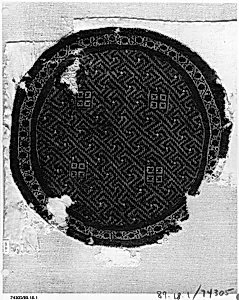
Medium
Wool, linen; plain weave, tapestry weave
Classification
Textiles
Department
Islamic Art
Museum
Metropolitan Museum of Art, New York, NY
Credit
Purchase by subscription, 1889
Accession Number
89.18.1
Rights
Public Domain
Art Historical Context
This delicate *Textile Fragment* from the rd–4th century a glimpse into the sophisticated textile traditions of the ancient Near East or Egypt, regions that would later flourish under Islamic influence. Crafted from wool and linen—staple fibers of the era—it showcases a masterful blend of plain weave for the ground fabric and tapestry weave for decorative motifs. Acquired by the Metropolitan Museum of Art through a subscription purchase in 188, this piece now resides in the Islamic Art department underscoring its enduring cultural resonance. Tapestry weave, where colored weft threads are woven over the warp to create pictorial designs, was a labor-intensive technique prized for its durability and vividness. Often used in garments, hangings, or furnishings, such textiles served both practical and ornamental purposes in daily life and elite settings. Though the specific motifs are fragmented, they likely featured geometric patterns or figures typical of Late Antique styles, bridging Roman, Byzantine, and early Islamic aesthetics. As a survivor from over 1,600 years ago, this fragment highlights the ingenuity of anonymous artisans whose work influenced centuries of textile innovation across the Islamic world. Visitors can appreciate how these early techniques laid the foundation for the opulent woven masterpieces that defined later Islamic art.