
Textile Fragment
Unknown Artist
second half 18th century
Medium
Cotton; painted and dyed
Dimensions
H. 36 in. (91.5 cm) W. 37 in. (94 cm)
Classification
Textiles
Department
Islamic Art
Museum
Metropolitan Museum of Art, New York, NY
Credit
The Alice and Nasli Heeramaneck Collection, Gift of Alice Heeramaneck, 1983
Accession Number
1983.494.2
Rights
Public Domain
Tags
Art Historical Context
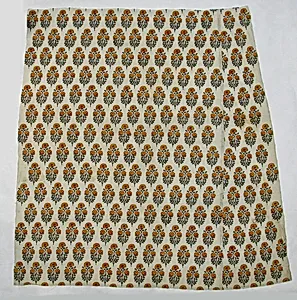
This exquisite *Textile Fragment* from the second half of the 18 century offers a glimpse into the opulent world of Islamic art Crafted from cotton and adorned with painted and dyed floral motifs, it measures a generous 36 by 37 inches, it may have once been part of a larger garment, hanging, or furnishing. Housed in the Metropolitan Museum of Art's Islamic Department, it hails from the Alice and Nasli Heeraman Collection, gifted in 1983, highlighting the couple's passion for preserving such treasures. The medium—cotton meticulously painted and dyed—exemplifies a sophisticated technique prevalent in Islamic textile traditions. Artisans applied natural dyes and pigments by hand, creating vibrant, intricate patterns that demanded patience and skill. The floral designs, a hallmark tag of this piece, evoke the lush gardens of paradise central to Islamic symbolism, blending natural beauty with spiritual resonance during a time of flourishing trade and artistic exchange across the Islamic world. Though the artist remains unknown, this fragment underscores the cultural significance of textiles in 18th-century Islamic societies, where they served as status symbols and vehicles for storytelling. Its survival speaks to the enduring allure of these handcrafted wonders, inviting us to imagine the vibrant markets and skilled workshops of the era.