
Textile Fragment
Unknown Artist
17th century
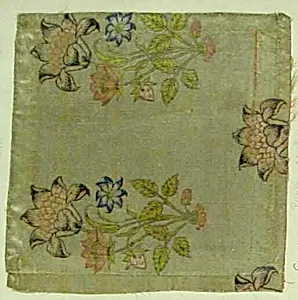
Medium
silk, metal thread
Dimensions
H. 9 3/4 in. (24.8 cm) W. 9 1/2 in. (24.1 cm)
Classification
Textiles
Department
Islamic Art
Museum
Metropolitan Museum of Art, New York, NY
Credit
Gift of Nanette B. Kelekian, in honor of Olga Raggio, 2002
Accession Number
2002.494.697
Rights
Public Domain
Tags
Art Historical Context
This delicate textile fragment, dating to the 17th, hails from the rich tradition of Islamic art and exemplifies the era's mastery of luxurious weaving. Crafted from shimmering silk and intricate metal threads, it measures a modest 9¾ by 9½ inches (24.8 by 24.1 cm), likely a surviving piece from a larger garment, curtain, or ceremonial object. Its floral motifs—evident in the tagged design—capture the vibrant, paradise-inspired patterns that symbolized abundance and beauty in Islamic culture, where flowers often evoked gardens of eternal bliss. In the 17th century, such textiles were produced in flourishing centers like the Ottoman Empire, Safavid Persia, or Mughal India, serving as status symbols for elites. The use of metal threads, often silver or gold wrapped around silk cores, added a regal gleam through techniques like brocading or couching, enhancing durability and opulence for both daily wear and opulent interiors. These fragments offer a window into the sophisticated trade networks and artisanal skill that made Islamic textiles coveted worldwide. Now at the Metropolitan Museum of Art, gifted in 2002 by Nanette B. Kelekian in honor of Olga Raggio, this piece invites us to marvel at the enduring elegance of anonymous craftsmanship. (198 words)