
Three Window or Door Cases
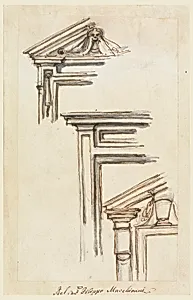
Medium
architecture
Classification
architecture
Department
Smithsonian Collection
Museum
Smithsonian American Art Museum
Credit
Museum purchase through gift of various donors
Accession Number
1901-39-660
Rights
Public Domain
About this artwork
Research in Progress
Art Historical Context
Filippo Marchionni (1732–1805), a prominent Italian architect active in during the late Enlightenment, created *Three Window or Door Cases around 1770. architectural elements—likely ornate surrounds for windows or doors—exemplify the refined craftsmanship of 18th-century Italy, a period when architecture blended lingering Baroque exuberance with emerging Neoclassical restraint. Marchionni's designs often graced palaces and public buildings, emphasizing symmetry, proportion, and classical motifs inspired by antiquity. As sculptural fragments classified under architecture, these cases highlight the medium's dual role in art museums: not just functional building components, but standalone objects showcasing intricate carving or molding techniques. Their presence in the Smithsonian American Art Museum speaks to the transatlantic fascination with European design during America's formative years, acquired through donor gifts to enrich the collection. Though research continues, these pieces invite us to ponder the elegance of everyday portals in grand interiors, bridging utility and artistry in a time of cultural revival. A testament to Marchionni's legacy, they remind visitors of architecture's power to elevate spaces.