
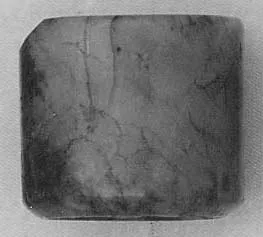
Thumb ring
Unknown Artist
Medium
Nephrite
Dimensions
H. 1 1/8 in. (2.9 cm); W. 1 in. (2.6 cm)
Classification
Jade
Culture & Period
China · Han dynasty (206 B.C.–A.D. 220)
Department
Asian Art
Museum
Metropolitan Museum of Art, New York, NY
Credit
Gift of Heber R. Bishop, 1902
Accession Number
02.18.330
Rights
Public Domain
Art Historical Context
This exquisite thumb ring, crafted from nephrite jade during China's Han dynasty (206 B.CA.D. 220), exemplifies the era's masterful stone carving traditions. Measuring just 1 1/8 inches high and 1 inch wide, its compact form belies its practical purpose: worn by archers to protect the thumb from the bowstring's snap during archery—a vital skill for warriors and hunters in ancient China. The smooth, polished nephrite, prized for its toughness and luminous green hue, highlights the Han artisans' skill in transforming hard stone into functional jewelry. Jade held profound cultural significance in Han China, symbolizing purity, immortality, and imperial virtue. Nephrite, sourced from distant western regions, was a luxury material reserved for the elite, often carved into ritual objects, ornaments, and status symbols. This ring reflects the dynasty's technological prowess, including advanced drilling and polishing techniques that allowed for intricate designs without metal tools. Now housed in the Metropolitan Museum of Art's Asian Art Department as a gift from Heber R. Bishop in 1902, this unassuming artifact offers a tangible glimpse into daily life and artistry of over 2,000 years ago, bridging the worlds of sport, warfare, and reverence for nature's finest gems.