
Tile
Unknown Artist
1620–40
Medium
Tin-glazed earthenware
Dimensions
Overall (tile): 5 × 5 in. (12.7 × 12.7 cm); Overall (whole panel): 21 × 16 in. (53.3 × 40.6 cm)
Classification
Ceramics-Pottery
Culture
Dutch
Department
European Sculpture and Decorative Arts
Museum
Metropolitan Museum of Art, New York, NY
Credit
Gift of W. R. Valentiner, 1908
Accession Number
08.196.7
Rights
Public Domain
Tags
Art Historical Context
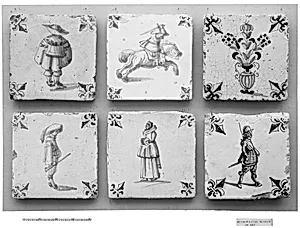
This exquisite tin-glazed earthenware tile, created by an unknown Dutch artist between 1620 and 1640, exemplifies the Golden Age of Dutch ceramics. Part of a larger panel measuring 21 × 16 inches, with each tile at 5 × 5 inches, it was a popular decorative element in prosperous Dutch households. These tiles adorned fireplaces, hearths, and walls, serving both functional and aesthetic purposes—protecting surfaces from soot while brightening interiors with vibrant imagery. The design features lively motifs of horses, men, and flowers, rendered in the characteristic maiolica technique of tin-glazing. This process involved coating earthenware with a tin-opacified glaze, allowing bold blues, whites, and multicolored details to shine through. Dutch potters in Delft mastered this Italian-inspired method, producing affordable yet sophisticated panels that reflected everyday life, nature, and leisure amid the era's trade prosperity. Today, this panel graces the Metropolitan Museum of Art's European Sculpture and Decorative Arts collection, a gift from W.R. Valentiner in 1908. It offers a window into 17th-century domestic culture, where art met utility in harmonious splendor.