
Tile
Unknown Artist
1640–60
Medium
Tin-glazed earthenware
Dimensions
5 × 5 in. (12.7 × 12.7 cm)
Classification
Ceramics-Pottery
Culture
Dutch
Department
European Sculpture and Decorative Arts
Museum
Metropolitan Museum of Art, New York, NY
Credit
Gift of W. R. Valentiner, 1908
Accession Number
08.196.59
Rights
Public Domain
Tags
Art Historical Context
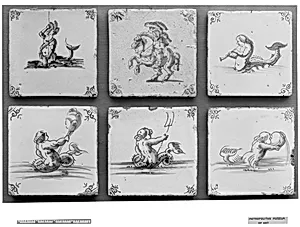
This charming 5 × 5-inch square tile, crafted in tin-glazed earthenware around 1640–60, hails from the Dutch Golden Age, a period of remarkable prosperity artistic innovation in the Netherlands. Produced by an unknown artisan, it exemplifies the Delft tiles that adorned the interiors of Dutch homes, fireplaces, public buildings, serving both decorative and protective functions against damp walls. The tin glaze—a lead-based coating fired over the earthenware—created a smooth, white surface ideal for vibrant painted designs, which here feature mermaids and horses, blending mythical allure with everyday motifs. These tiles were mass-produced in workshops like those in Delft, reflecting the era's fascination with fantasy and nature. Mermaids, symbols of the sea-faring Dutch Republic's maritime prowess, often appeared alongside dynamic horses, evoking power and grace. The technique involved painting pigments onto the unfired glaze before a final firing, yielding durable, colorful results that captured the imagination of 17th-century households. Today, this tile graces the Metropolitan Museum of Art's European Sculpture and Decorative Arts collection, a gift from W. R. Valentiner in 1908. It offers a glimpse into everyday Dutch artistry, reminding us how humble ceramics elevated domestic life into something extraordinary.