
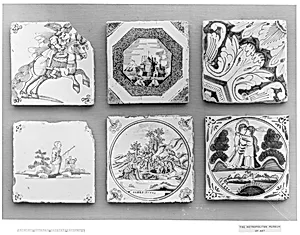
Tile
Unknown Artist
18th century
Medium
Tin-glazed earthenware
Dimensions
5 × 5 in. (12.7 × 12.7 cm)
Classification
Ceramics-Pottery
Culture
Dutch
Department
European Sculpture and Decorative Arts
Museum
Metropolitan Museum of Art, New York, NY
Credit
Gift of W. R. Valentiner, 1908
Accession Number
08.196.100
Rights
Public Domain
Art Historical Context
This charming 18th-century Dutch, crafted from tin-glazed earthen, exemplifies the exquisite ceramics produced in the Netherlands during the height of Delftware manufacturing. Measuring a modest 5 × 5 inches, its square format was ideal for creating expansive wall panels or fireplace surrounds in prosperous homes. The tin-glaze technique—where a tin oxide coating creates an opaque white surface for vibrant painted designs before a final firing—allowed artisans to mimic the luxury of Chinese porcelain at a more accessible price, fueling widespread popularity across Europe. In Dutch culture, such tiles were more than decoration; they adorned interiors with scenes from daily life, mythology, or the Bible, serving as both protective barriers against moisture and status symbols of refined taste. Produced in factories around Delft, these pieces highlight the era's booming trade and innovative pottery industry, which flourished amid the Dutch Golden Age's economic prosperity. Today, this tile graces the Metropolitan Museum of Art's European Sculpture and Decorative Arts collection, a generous 1908 gift from W. R. Valentiner. It invites us to imagine the lively households where it once shone, preserving a slice of 18th-century domestic elegance.