
Tile
Unknown Artist
ca. 1620–40
Medium
Tin-glazed earthenware
Dimensions
Overall (tile): 5 × 5 in. (12.7 × 12.7 cm); Overall (whole panel): 31 3/4 × 21 1/2 in. (80.6 × 54.6 cm)
Classification
Ceramics-Pottery
Culture
Dutch
Department
European Sculpture and Decorative Arts
Museum
Metropolitan Museum of Art, New York, NY
Credit
Gift of W. R. Valentiner, 1908
Accession Number
08.196.194
Rights
Public Domain
Tags
Art Historical Context
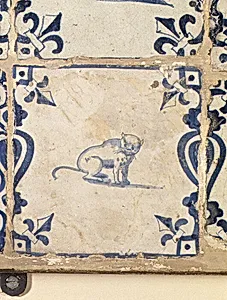
This exquisite Dutch tile panel, dating to around 1620–40, exemplifies the artistry of the Netherlands' Golden Age, when tin-glazed earthenwareknown as Delftware—became a staple of domestic decoration. Crafted from earthenware coated with a tin-opaque glaze, these 5-inch square tiles (assembled here into a 31¾ × 21½-inch panel) feature vibrant animal motifs, a popular theme that brought lively scenes of fauna into everyday homes. The technique allowed for bold colors and intricate designs fired at low temperatures, making them durable yet affordable for the rising middle class. Produced in workshops like those in Delft, these tiles adorned fireplaces, hearths, and walls, serving both practical (heat-resistant) and aesthetic purposes. Their whimsical animal imagery reflected a delight in the natural world, possibly evoking proverbs, fables, or simply the joys of rural life amid Holland's prosperous trade era. As part of the Metropolitan Museum of Art's European Sculpture and Decorative Arts collection—gifted by W.R. Valentiner in 1908—this panel highlights how ceramics democratized beauty, transforming ordinary spaces into artistic statements. Today, it invites us to appreciate the anonymous craftsmanship that defined 17th-century Dutch culture, where even humble tiles captured the era's ingenuity and charm.