
Tile
Unknown Artist
probably 18th–19th century
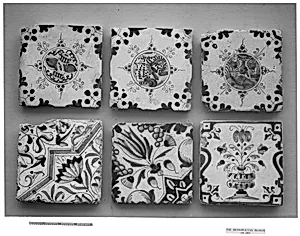
Medium
Tin-glazed earthenware
Dimensions
Overall: 5 × 5 in. (12.7 × 12.7 cm)
Classification
Ceramics-Pottery
Culture
Dutch
Department
European Sculpture and Decorative Arts
Museum
Metropolitan Museum of Art, New York, NY
Credit
Gift of W. R. Valentiner, 1908
Accession Number
08.196.205
Rights
Public Domain
Art Historical Context
This charming 5 × 5-inch square tile, crafted from tin-glazed earthenware,ails from the Netherlands, likely dating to the 18th or 19th century. during the height of Dutch Delftware traditions, these tiles were a hallmark of everyday luxury, transforming ordinary interiors into vibrant displays. The tin glaze—a lead-based coating fired with tin oxide—created a smooth, impermeable white surface ideal for bold painted designs, often in blues, whites, and vivid polychrome hues. This technique, borrowed from Italian maiolica and perfected in Delft workshops, allowed for intricate motifs like flowers, seascapes, or biblical scenes that resisted wear from smoke and grime. In Dutch homes, fireplaces, and public buildings, such tiles served both practical and artistic purposes, insulating walls while showcasing the owner's taste and prosperity. Affordable yet elegant, they democratized decoration, reflecting the Netherlands' Golden Age legacy of innovation in ceramics amid global trade. This example, gifted to the Metropolitan Museum of Art in 1908 by curator W.R. Valentiner, exemplifies the enduring appeal of these miniature masterpieces in European decorative arts. (178 words)