
Tile
ca. 1882–84
Medium
Earthenware
Dimensions
4 1/4 x 4 1/4 in. (10.8 x 10.8 cm)
Classification
Tile
Culture
American
Department
The American Wing
Museum
Metropolitan Museum of Art, New York, NY
Credit
Purchase, Bequest of Adeline R. Brown, by exchange, 1977
Accession Number
1977.373.9
Rights
Public Domain
Art Historical Context
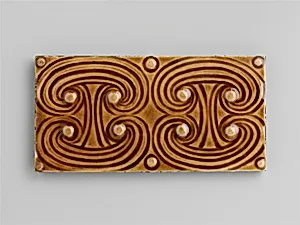
This charming earthenware tile, produced by J. and J. G. Low Art Works around 1882–84, exemplifies the vibrant world of American decorative arts during the late 19th. Founded by brothers John and John Gardner Low in Chelsea, Massachusetts the firm was a pioneer in the burgeoning U.S. tile industry, creating affordable yet artistic pieces inspired by global motifs like Persian and Japanese designs. At just 4¼ x 4¼ inches, this square tile was likely intended for architectural embellishment—think fireplaces, hearths, or bathroom walls—reflecting the Aesthetic Movement's emphasis on beauty in everyday objects. Earthenware, a durable clay body fired at lower temperatures, allowed the Lows to experiment with colorful glazes and intricate underglaze decorations, techniques that brought factory production closer to fine art. Their tiles gained popularity amid America's Gilded Age prosperity, adorning homes of the emerging middle class and even public spaces, symbolizing industrial innovation wedded to artistic aspiration. Today, housed in The Metropolitan Museum of Art's American Wing, this tile—acquired through the bequest of Adeline R. Brown in 1977—offers a glimpse into how Americans adapted European ceramic traditions to their own cultural landscape, blending utility with elegance. A small but mighty testament to Yankee ingenuity!