
Tiraz Textile Fragment
Unknown Artist
dated A.H. 320/932–33 CE
Medium
Linen; plain weave, embroidered in silk
Dimensions
Textile a: L. 7 in. (17.8 cm) W. 11 3/8 in. (28.9 cm) Textile b: H. 5 1/2 in. (14 cm) D. 3 1/4 in. (8.3 cm) Mount: H. 11 1/4 in. (28.6 cm) W. 17 3/4 in. (45.1 cm) D. 1 1/8 in. (2.9 cm)
Classification
Textiles-Embroidered
Department
Islamic Art
Museum
Metropolitan Museum of Art, New York, NY
Credit
Gift of George D. Pratt, 1931
Accession Number
31.106.55b
Rights
Public Domain
Tags
Art Historical Context
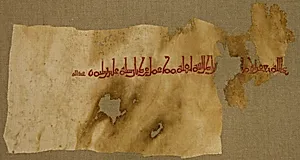
This exquisite *Tiraz Textile Fragment*, precisely to A.H. 320 (932–33 CE), offers a rare glimpse into the opulent textile workshops of the Abbasid Calate. Tiraz refers to inscribed luxury fabrics produced under royal patronage, often featuring embroidered bands with Arabic script that honored the caliph or commemorated the year of manufacture. These fragments, likely from garments worn by dignitaries, highlight the era's sophisticated administration and cultural prestige, bridging art and politics in medieval Islamic society. Crafted from linen plain weave and richly embroidered in silk, the textiles showcase masterful needlework techniques typical of tiraz production. The fine silk threads, dyed in vibrant hues, form durable, legible inscriptions—probably in angular Kufic script—against the sturdy linen ground. Measuring about 7 by 11 inches for the main piece and smaller for the secondary fragment, they exemplify the portability and prestige of such items, which were status symbols exchanged as diplomatic gifts. Preserved through the generosity of George D. Pratt's 1931 gift to the Metropolitan Museum of Art, this artifact in the Islamic Art department underscores the enduring legacy of Abbasid craftsmanship. For visitors, it evokes the tactile splendor of a bygone courtly world, where every stitch wove history into fabric.