
Tobacco Pouch
Unknown Artist
1850–80
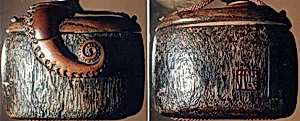
Medium
Lacquer, wood, brushed, applied, carved ivory or bone; Interior: plain and roiro
Dimensions
H. 2 1/2 in. (6.3 cm); W. 3 1/8 in. (8 cm); D. 2 in. (5.1 cm)
Classification
Tobacco Pouches
Culture & Period
Japan · Edo (1615–1868) or Meiji period (1868–1912)
Department
Asian Art
Museum
Metropolitan Museum of Art, New York, NY
Credit
Edward C. Moore Collection, Bequest of Edward C. Moore, 1891
Accession Number
91.1.724
Rights
Public Domain
Tags
Art Historical Context
This exquisite tobacco pouch, crafted in Japan between 1850 and 1880 during the late Edo or early Meiji period, captures the refined artistry of everyday objects in Japanese culture. As tobacco smoking gained popularity following its introduction in the 16th century, such pouches became essential accessories, often paired with pipes and netsuke toggles. Measuring just a few inches across, this compact piece highlights the Japanese appreciation for functional items that also served as personal expressions of taste and status. The pouch’s exterior showcases masterful lacquer techniques, with layers of brushed and applied lacquer over wood, accented by carved ivory or bone details. Its interior features a plain roiro finish—a glossy, deep black lacquer prized for its durability and elegant sheen. The octopus motif, subtly integrated into the design, adds a playful yet sophisticated touch, reflecting the period’s fondness for nature-inspired imagery in decorative arts. Housed in the Metropolitan Museum of Art’s Asian Art collection as part of the Edward C. Moore bequest, this pouch exemplifies the transition from Edo-era traditions to Meiji innovations, blending utility with exceptional craftsmanship that continues to enchant visitors today.