
唐 三彩陶香爐|Tripod incense burner
Unknown Artist
7th–8th century
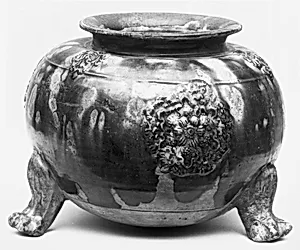
Medium
Earthenware with three color (sancai) glaze
Dimensions
H. 6 1/4 in. (15.9 cm); Diam. 8 in. (20.3 cm)
Classification
Ceramics
Culture & Period
China · Tang dynasty (618–907)
Department
Asian Art
Museum
Metropolitan Museum of Art, New York, NY
Credit
Fletcher Fund, 1927
Accession Number
27.119.25
Rights
Public Domain
Art Historical Context
Step into the vibrant world of Tang dynasty China with this exquisite tripod incense burner, crafted from earthenware glazed in the signature sancai—or three-color—style during the 7th–8th century. Standing just 6¼ inches tall with an 8-inch diameter, compact tripod form evokes the era's elegant functionality, designed to hold and waft fragrant incense smoke. Acquired by The Metropolitan Museum of Art through Fletcher Fund in 192, this piece exemplifies the height of Tang ceramic innovation. The Tang dynasty (618–907) marked a golden age of cultural exchange along the Silk Road, blending Chinese traditions with Central Asian influences. Sancai glazes, typically in creamy white, amber yellow, and green, were splashed and layered over the clay before low-temperature firing, allowing them to melt and flow into mesmerizing drips and pools. Originally popularized for lavish tomb furnishings like camels and attendants, these techniques soon graced household items like this burner, used in Buddhist rituals, ancestor worship, or scholarly pursuits. This incense burner not only served practical purposes but also showcased the Tang artisans' mastery of color and form, capturing the dynasty's prosperity and cosmopolitan spirit. A true treasure of Asian Art, it invites you to imagine the aromatic haze of ancient Chinese interiors.