
Tweede eeuwfeest van de Reformatie
Medium
striking (metalworking)
Dimensions
14.78; 3.2
Rights
Public Domain
About this artwork
diameter 3,2 cm x gewicht 14,78 gr
Art Historical Context
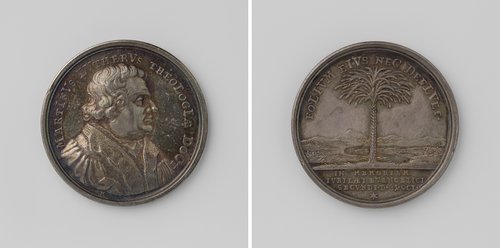
**Tweede eeuwfeest de Reformatie** (Second Centenary of the), crafted by Philipp Heinrich Müller in1717, is a struck medal exemplifying 18th-century metalworking artistry. Measuring just 3. cm in diameter and weighing14.78 grams, petite bronze or similar alloy piece was produced using the striking technique—where a die is hammered into a metal blank under immense pressure to create intricate raised designs. Such medals were prized collectibles, blending sculpture's precision with coin-like portability, often commemorating pivotal historical moments. Created exactly 200 years after Martin Luther's Ninety-Five Theses sparked the Protestant Reformation in 1517, this work captures the era's enduring religious fervor. In Protestant regions like the Netherlands—hinted by the Dutch title—it served as a tangible symbol of triumph over Catholic dominance, fostering communal pride and reflection. Müller's craftsmanship highlights the technical mastery of Augsburg or similar metalworking schools, where artists rivaled painters in detail and symbolism. Today, this modest artifact invites us to ponder how small objects can echo grand historical shifts, bridging faith, politics, and artistry in the Baroque age. A gem for numismatists and history enthusiasts alike! (198 words)