
Umbel Pendant
Unknown Artist
ca. 1390–1352 B.C.
Medium
Faience
Dimensions
L. 0.6 cm (1/4 in)
Classification
Pendant, umbel
Period
New Kingdom
Department
Egyptian Art
Museum
Metropolitan Museum of Art, New York, NY
Credit
Rogers Fund, 1911
Accession Number
11.215.421
Rights
Public Domain
Art Historical Context
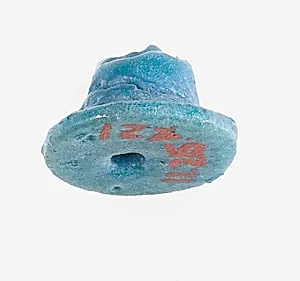
Nestled in the opulent world of New Kingdom Egypt during Dynasty 18 (ca. 1390–1352 B.C.), the *Umbel Pendant* exemplifies the exquisite craftsmanship of ancient jewelers. This tiny artifact, measuring just 0.6 cm long, hails from a golden age when pharaohs like Amenhot III and Tutankham ruled, fostering unparalleled artistic innovation and monumental architecture. As part of everyday or ceremonial adornment, such pendants were worn by elites, symbolizing prosperity and divine favor amid Egypt's imperial height. Crafted from faience—a glazed composite of quartz, lime, and clay fired to a vibrant turquoise hue— the pendant mimics the luster of precious lapis lazuli or turquoise, materials reserved for royalty. Faience's glassy sheen and durability made it ideal for mass production of jewelry and amulets, blending accessibility with luxury. The umbel shape, evoking clustered floral motifs like papyrus or lotus sacred to the Nile's life-giving waters, underscores themes of rebirth and fertility central to Egyptian spirituality. Acquired through the Rogers Fund in 1911, this delicate treasure at the Metropolitan Museum of Art invites us to marvel at the precision of ancient hands. Though diminutive, it whispers of a civilization's devotion to beauty and eternity.