
Valentine
Esther Howland, mid 19th century
About this artwork
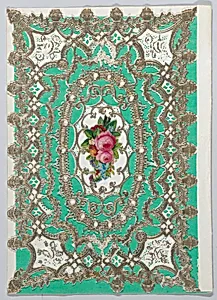
Step into the romantic world of mid-19th-century America with *Valentine*, a delicate masterpiece by Esther Howland, often hailed as the "Mother of American Valentine." Created around the 1840s–1850s, this charming ephemera measures just 3 15/16 inches wide 5 1/2 inches long, as an intimate token of affection for Valentine's Day. Housed in the Metropolitan Museum Art's Drawings and Prints, it exemplifies the shift from simple handwritten notes to elaborate, commercially produced cards that democratized romance. Howland revolutionized the greeting card industry after being inspired by imported English valentines. Operating from her Worcester, Massachusetts, home, she assembled these by hand with her family, using innovative collage techniques: vibrant colored papers, intricate lace paper for a lacy elegance, and chromolithographed die-cut scraps—early color-printed, pre-cut motifs like hearts and flowers. This medium blended artistry with emerging industrial printing, allowing affordable yet luxurious designs that popped with dimension and sentiment. Culturally, *Valentine* captures the Victorian era's fascination with elaborate courtship rituals, fueling a Valentine's Day tradition that endures today. Its gift to the Met in 1981 preserves a slice of entrepreneurial ingenuity, reminding us how one woman's creativity turned fleeting emotions into lasting cultural icons.