
Valentine
Esther Howland, 1850–70
About this artwork
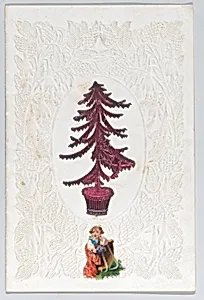
Step into the sentimental world of Victorian romance with *Valentine*, a delicate masterpiece crafted by Esther Howland around 1850–70. Known as the "Mother of the Valentine" in America, Howland pioneered mass-produced greeting cards, transforming imported English traditions into an accessible U.S. phenomenon. This small card, measuring just 3 7/16 by 5 3/16 inches, captures the era's fervor for heartfelt expressions during Valentine's Day, when elaborate notes became a cultural staple for courtship and affection. The artwork showcases innovative printing techniques of the time: cameo-embossed lace paper mimics intricate fabric textures, chromolithography adds vibrant colors through multi-layered lithography, metallic die-cuts provide shimmering accents, and subtle graphite enhances details. Classified as ephemera in the Metropolitan Museum of Art's Drawings and Prints department, it exemplifies how disposable prints elevated everyday sentiment into artful treasures. Donated in 1981, this piece highlights the fusion of technology and emotion in 19th-century design. Culturally, Howland's valentines fueled a booming industry, making romance affordable and widespread. Imagine a suitor slipping this lacy gem into an envelope—its tactile elegance still evokes the flutter of 19th-century hearts today.