
Vase
ca. 1830
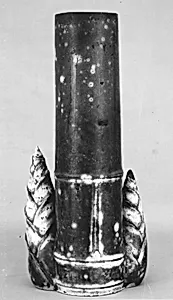
Medium
Clay covered with a transparent crackled glaze over slip, waterstained (Sanuki ware)
Dimensions
H. 10 in. (25.4 cm); Diam. of rim 2 1/4 in. (5.7 cm); W. 4 5/8 in. (11.7 cm); D. 3 in. (7.6 cm)
Classification
Ceramics
Culture & Period
Japan · Edo period (1615–1868)
Department
Asian Art
Museum
Metropolitan Museum of Art, New York, NY
Credit
Gift of Mr. and Mrs. Samuel Colman, 1893
Accession Number
93.1.193
Rights
Public Domain
Art Historical Context
This elegant vase, created around 1830 by the Japanese potter Minzan during the Edo period, exemplifies the refined ceramic traditions of Sanuki ware from Japan’s Sanuki region. Standing ten inches tall with a slender form and proportions, it reflects the’s appreciation for understated beauty in everyday objects. The Edo period (1615–1868) was a time of cultural flourishing, when ceramics often served both functional and aesthetic roles in tea ceremonies and domestic settings. The vase’s surface features a transparent crackled glaze applied over slip, producing a delicate network of fine lines that catch the light and reveal the clay beneath. This intentional technique, combined with its waterstained appearance, highlights the material’s natural qualities and the skill of the maker. Such works were prized for their harmony with nature, embodying the Japanese aesthetic of wabi-sabi. Donated to the Metropolitan Museum of Art in 1893 by Mr. and Mrs. Samuel Colman, this piece offers visitors a glimpse into 19th-century Japanese craftsmanship and the enduring appeal of simple, tactile forms in Asian art.
About the Artist
Minzan · 1772–1844