
Vase
Unknown Artist
1800
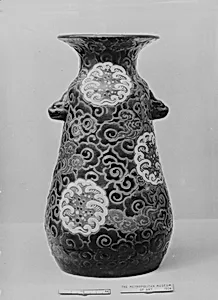
Medium
Faience covered with design in low relief and colored enamels (Kyoto ware)
Dimensions
H. 10 3/8 in. (26.4 cm)
Classification
Ceramics
Culture & Period
Japan · Edo period (1615–1868)
Department
Asian Art
Museum
Metropolitan Museum of Art, New York, NY
Credit
Gift of Mrs. V. Everit Macy, 1923
Accession Number
23.225.273
Rights
Public Domain
Art Historical Context
This elegant vase, crafted around 1800 during Japan's Edo period (1615–1868), exemplifies the refined artistry of Kyoto ware. Standing at 10 3/8 inches (26.4 cm) tall, it hails from a time when peace and prosperity fueled a boom in decorative ceramics, blending functionality with aesthetic splendor. Kyoto potters were renowned for their technical mastery, producing pieces that graced homes, tea ceremonies, and altars, reflecting the era's appreciation for harmony in everyday beauty. Made of faience—a tin-glazed earthenware—the vase is adorned with designs in low relief and vibrant colored enamels, a sophisticated overglaze technique that allowed for intricate patterns and vivid hues fired at lower temperatures. This method, perfected in Kyoto kilns, highlighted motifs often drawn from nature, mythology, or daily life, showcasing the potter's skill in texture and color layering. Such wares symbolized cultural refinement, bridging utilitarian craft with artistic expression. A generous gift to the Metropolitan Museum of Art from Mrs. V. Everit Macy in 1923, this anonymous masterpiece invites us to ponder the hands that shaped it, preserving Edo Japan's legacy of understated elegance in the Asian Art collection.