
Vase with birds and flowers
Unknown Artist
late 17th century
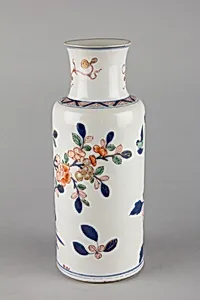
Medium
Porcelain painted with underglaze cobalt blue and overglaze polychrome enamels (Jingdezhen ware)
Dimensions
H. 10 3/4 in. (27.3 cm); Diam. 5 in. (12.7 cm)
Classification
Ceramics
Culture & Period
China · Qing dynasty (1644–1911), Kangxi period (1662–1722)
Department
Asian Art
Museum
Metropolitan Museum of Art, New York, NY
Credit
Rogers Fund, 1921
Accession Number
21.11.1
Rights
Public Domain
Tags
Art Historical Context
This elegant vase, adorned with birds and flowers,ails from China's Jingdezhen kilns during the Kangxi period (2–1722) of the dynasty, a golden era for porcelain production. Standing at 10 3/4 inches tall with a 5-inch diameter it exemplifies the technical mastery of late 17th-century potters, who crafted translucent white porcelain bodies fired at high temperatures for exceptional durability and sheen. Acquired through the Rogers Fund in 1921, it now graces the Metropolitan Museum of Art's Asian Art collection. The vase's decoration blends underglaze cobalt blue—painted before glazing and firing to create vivid, penetrating blues synonymous with Chinese export porcelain—with overglaze polychrome enamels applied afterward and fired at lower temperatures. This innovative "famille verte" technique allowed for lush greens, yellows, and reds, bringing the delicate birds and blooming flowers to life in harmonious scenes. Jingdezhen, the porcelain capital, supplied imperial courts and global markets, making such vases prized status symbols. Birds and floral motifs carried deep cultural symbolism, evoking prosperity, longevity, and natural harmony in Confucian ideals. Whether used for floral arrangements in scholarly homes or admired on Western shelves via maritime trade, this piece reflects the Qing era's artistic zenith and cross-cultural allure.