
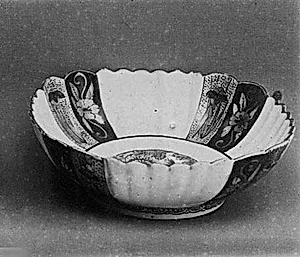
Vegetable Dish
Unknown Artist
1800
Medium
White porcelain decorated with colored enamels (Arita ware)
Dimensions
H. 1 7/8 in. (4.8 cm); Diam. 5 1/2 in. (14 cm)
Classification
Ceramics
Culture & Period
Japan · Edo period (1615–1868)
Department
Asian Art
Museum
Metropolitan Museum of Art, New York, NY
Credit
Gift of Charles Stewart Smith, 1893
Accession Number
93.3.443
Rights
Public Domain
Art Historical Context
This delicate Vegetable Dish, crafted around 1800 during Japan's Edo period (16151868), exemplifies the artistry of Arita wareporcelain produced in the Arita region of Saga Prefecture. Made from fine white porcelain and adorned with vibrant colored enamels over the glaze, the dish measures just 1 7/8 inches high and 5 1/2 inches in diameter perfect for serving small portions of vegetables at the table. These enamels, fired at lower temperatures, allowed artisans to achieve bold, enduring hues that brought everyday objects to life with decorative flair. Arita ware marked a pinnacle in Japanese ceramics, blending indigenous kaolin clay with advanced techniques influenced by Korean potters in the 17th century. By the late Edo era, such pieces transitioned from lucrative exports (like the famous Imari style shipped to Europe) to cherished domestic luxury goods, reflecting the era's prosperity and the rising merchant class's taste for tableware. This dish highlights how porcelain permeated daily life, elevating simple meals into aesthetic experiences. A generous gift to the Metropolitan Museum of Art from Charles Stewart Smith in 1893, this unassuming yet exquisite object invites us to appreciate the subtlety of Edo craftsmanship—where functionality met beauty in porcelain's pure white glow.