
6/9
Nicolas Dorigny, 1695
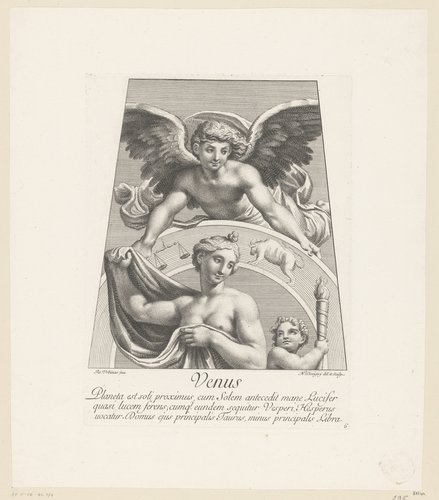
About this artwork
Nicolas Dorigny's *6/9*, created in 1695, is a fine example of late Baroque printmaking. As a French engraver and painter (1658–1743), Dorigny was renowned for reproductive etchings that faithfully captured the grandeur of Renaissance masters like Raphael. The title "6/9" suggests this is the sixth plate in a series nine, likely part of his celebrated reproductions of Vatican frescoes, allowing wider audiences to appreciate classical art during Louis XIV's opulent reign. Etching, the medium here, involves drawing on a wax-coated copper plate with acid-resistant lines, then immersing it in acid to etch the design. This technique enabled Dorigny's precise, fluid lines and rich tonal contrasts on a modest sheet measuring 287 mm high by 215 mm wide—ideal for collectors and scholars. It democratized high art, bridging Italy's Renaissance legacy with France's Baroque elegance. This work highlights etching's cultural role in 17th-century Europe: preserving and disseminating masterpieces amid growing interest in antiquarianism. Visitors today can marvel at Dorigny's skill in translating monumental frescoes into intimate, enduring prints.