
Vessel
Unknown Artist
ca. late 3rd–early 2nd millennium BCE
Medium
Ceramic
Dimensions
4.72 x 2.24 in. (11.99 x 5.69 cm)
Classification
Ceramics-Vessels
Culture & Period
Bactria-Margiana Archaeological Complex · Bronze Age
Department
Ancient Near Eastern Art
Museum
Metropolitan Museum of Art, New York, NY
Credit
Gift of Sheldon Lewis Breitbart, 1983
Accession Number
1983.535.12
Rights
Public Domain
Art Historical Context
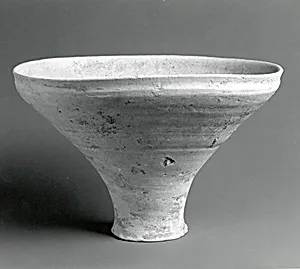
This delicate ceramic vessel, dating to the late 3rd to early 2nd millennium, hails from the Bactria-Margiana Archaeological Complex (BMAC)— mysterious Bronze Age culture flourishing in the ancient river oases of modern-day Turkmenistan, Uzbekistan, Afghanistan, and Tajikistan. Standing just 4.72 inches tall, this small hand- or wheel-thrown pot exemplifies the sophisticated pottery traditions of these early urban societies, likely used for storing oils, perfumes, or ritual offerings in daily or ceremonial life. The BMAC, often called the Oxus civilization, represents one of Central Asia's first complex societies, bridging the Indus Valley and Mesopotamian worlds through extensive trade networks in lapis lazuli, tin, and turquoise. Ceramics like this vessel highlight their mastery of firing techniques, producing durable, finely shaped forms that supported emerging urban centers such as Gonur Tepe. Though the artist remains unknown, the's modest scale and craftsmanship reflect a culture blending nomadic pastoralism with settled innovation. A generous gift to the Metropolitan Museum of Art from Sheldon Lewis Breitbart in 1983, this piece invites us to ponder the daily rhythms of Bronze Age life in a pivotal crossroads of antiquity.