
Vessel
Unknown Artist
4th–7th century
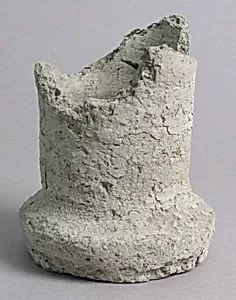
Medium
Earthenware
Dimensions
Overall: 5 7/8 x 4 15/16 in. (15 x 12.6 cm)
Classification
Ceramics
Culture
Coptic
Department
Medieval Art
Museum
Metropolitan Museum of Art, New York, NY
Credit
Rogers Fund, 1925
Accession Number
25.10.20.258
Rights
Public Domain
Art Historical Context
This modest earthenware vessel, crafted by an unknown Coptic artist between the 4th and 7th centuries, offers a glimpse into everyday life in early Christian Egypt. Measuring just 5⅞ x 4⅞ inches, its compact form suggests it was likely used for oils, grains, or liquids in households or monastic settings. Acquired by the Metropolitan Museum of Art through Rogers Fund in 192, it resides in the Medieval Art department, highlighting the seamless blend of ancient Egyptian traditions with emerging Christian influences during the late Roman and Byzantine eras. Coptic culture, flourishing in Egypt after the spread of Christianity in the 4th century, produced ceramics like this one through low-fired earthenware techniques—simple wheel-throwing or molding followed by natural cooling or open firing. These vessels were utilitarian yet symbolically rich, often evoking the Nile Valley's long ceramic heritage while adapting to monastic asceticism and pilgrimage needs. Though undecorated here, such objects underscore the Copts' resourcefulness amid political shifts, from Roman rule to Arab conquests by the 7th century. As a survivor of antiquity, this vessel connects us to a vibrant world where faith and function intertwined, reminding visitors of the enduring artistry in humble materials.