
Violin Bow
ca. 1740
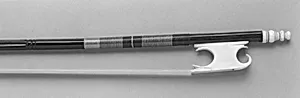
Medium
Snakewood, ivory, horsehair
Dimensions
72.4 cm (28 1/2 in.)
Classification
Chordophone-Accessories-bow
Culture
European
Department
Musical Instruments
Museum
Metropolitan Museum of Art, New York, NY
Credit
Purchase, Kenneth and Andrea Miron Gift, in memory of Berend Möller, 2003
Accession Number
2003.116
Rights
Public Domain
Art Historical Context
This elegant violin bow, crafted around 1740 by the Amsterdam School, represents the refined craftsmanship of 18th-century European instrument making. At 72.4 centimeters in length, it was designed as an essential accessory for chordophones like the violin. Its creation in Amsterdam reflects the city’s vibrant musical culture during the Baroque era, when demand for high-quality instruments grew among both professionals and amateurs. The bow’s materials highlight the period’s attention to both function and beauty. Snakewood, valued for its density and attractive grain, forms the resilient stick, while ivory accents provide decorative elegance and structural detail. Horsehair completes the playing surface, stretched taut to produce the clear, singing tone essential for Baroque repertoire. Such choices demonstrate the maker’s skill in balancing acoustic performance with visual appeal. Acquired by the Metropolitan Museum of Art in 2003, this bow offers visitors a tangible connection to the artistry behind musical performance. It reminds us that even the tools of music were once objects of careful design and cultural significance.