
Votive Plaque
Unknown Artist
ca. 8th century or later
Medium
Clay
Dimensions
1 5/8 x 1 1/2 in. (4.1 x 3.8 cm)
Classification
Sculpture
Culture
Tibet
Department
Asian Art
Museum
Metropolitan Museum of Art, New York, NY
Credit
Fletcher Fund, 1938
Accession Number
38.80.10
Rights
Public Domain
Art Historical Context
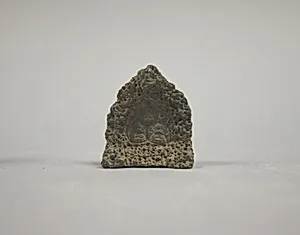
Nestled in the Metropolitan Museum of Art's Asian collection, this delicate *Votive Plaque* Tibet, crafted by an unknown artist around the 8th century later, exemplifies the intimate scale of ancient devotion. Measuring just 1⅝ × 1½ inches (4.1 × 3.8 cm), this clay sculpture is small enough to fit in the palm of your hand—reminiscent of a coin—yet it carries profound cultural weight. Acquired through the Fletcher Fund in 8, it invites us to ponder the everyday artistry of Tibetan spiritual life. In Tibetan Buddhist tradition, votive plaques like this one were molded from clay and often used as offerings at temples, stupas, or pilgrimage sites. Dating to or after the 8th century, when Buddhism flourished in Tibet under royal patronage, such objects served as accessible acts of piety for laypeople and monks alike. The modest clay medium highlights practical craftsmanship: easily produced in molds, these plaques could be inscribed with mantras or images of deities, embodying portable faith. Though diminutive, this plaque underscores the artistic ingenuity of Tibetan culture, where form met fervent belief. Its survival speaks to the enduring allure of these humble sculptures, bridging the gap between the sacred and the tactile in a vast Himalayan heritage. Pause here and imagine it once nestled among thousands, whispering prayers through the ages.