
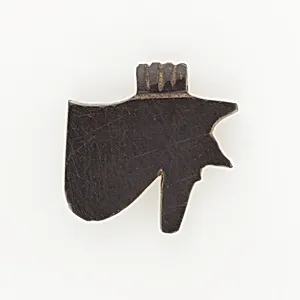
Wedjat eye amulet
Unknown Artist
664–30 B.C.
Medium
Obsidian
Dimensions
L. 1.9 cm (3/4 in)
Classification
Amulet, Wedjat eye
Period
Late Period–Ptolemaic Period
Department
Egyptian Art
Museum
Metropolitan Museum of Art, New York, NY
Credit
Gift of Darius Ogden Mills, 1904
Accession Number
04.2.395
Rights
Public Domain
Art Historical Context
Nestled in the Metropolitan Museum of Art's Art collection, this petite Wedjat eye amulet carved from glossy black obsidian, dates to Egypt's Late Period through the Ptolemaic era (664–30 B.C.). Measuring just 1.9 cm long, it exemplifies the exquisite miniaturization of ancient Egyptian craftsmanship. Obsidian a volcanic glass prized for sharp edges and lustrous sheen, was ideal for such protective talismans, often worn as jewelry or placed on mummies to safeguard the deceased. The Wedjat, or "Eye of Horus," held profound cultural significance as a symbol of wholeness, protection, and royal power. According to myth, Horus's eye was torn out by his uncle Seth but miraculously restored by Thoth, representing healing and restoration. Amulets like this were ubiquitous in daily life and funerary practices, believed to ward off evil, promote health, and ensure safe passage to the afterlife during a time when Egypt blended native traditions with Greek influences under Ptolemaic rule. A generous gift from Darius Ogden Mills in 1904, this unassuming artifact invites us to marvel at ancient Egyptians' blend of spirituality and artistry—tiny yet mighty, a window into their enduring quest for divine safeguarding.