
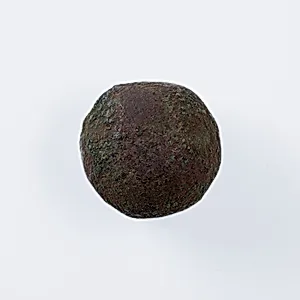
Weight
Unknown Artist
304 B.C.–A.D. 364
Medium
Copper alloy
Dimensions
Diam. 1.6 cm (5/8 in.)
Classification
Weight, 2 kedets
Period
Ptolemaic or Roman Period
Department
Egyptian Art
Museum
Metropolitan Museum of Art, New York, NY
Credit
Gift of Mrs. G. W. Neville and Miss Cardwell, 1906
Accession Number
06.1232.61
Rights
Public Domain
Tags
Art Historical Context
This petite copper alloy weight, just 1.6 cm in, hails from Egypt's Ptolemaic or Period (304 B.C.–A.D. 364). Crafted a time when Egypt transitioned from Greek Ptolemaic rule—established after Alexander the Great's conquest—to direct Roman control, such objects were everyday tools of commerce. The unknown artist employed durable copper alloy, a practical choice for its corrosion resistance and ability to hold precise mass, ensuring reliability in bustling markets from Alexandria to the Nile Valley. Weights like this were essential for fair trade in a thriving economy fueled by grain exports, papyrus, and luxury goods. Standardized measures helped merchants, scribes, and tax collectors maintain accuracy, reflecting Egypt's long tradition of metrology dating back to pharaonic times. Though small, this artifact embodies the blend of Hellenistic precision and enduring Egyptian administrative prowess. Today, gifted to the Metropolitan Museum of Art in 1906, it offers a tangible glimpse into ancient daily life, reminding us how mundane tools underpinned grand empires. Visitors can appreciate its subtle craftsmanship, a quiet testament to the unsung heroes of history's marketplaces.