
Weight
Unknown Artist
ca. 1295–1070 B.C.
Medium
Pottery
Dimensions
Diam. 6.8 cm (2 11/16 in.)
Classification
Weight
Period
New Kingdom, Ramesside
Department
Egyptian Art
Museum
Metropolitan Museum of Art, New York, NY
Credit
Rogers Fund, 1915
Accession Number
15.3.1022
Rights
Public Domain
Art Historical Context
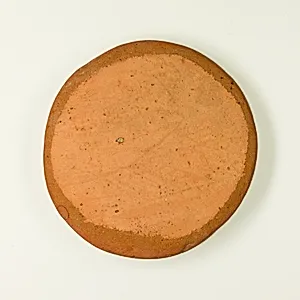
Step into the world of ancient Egypt's New Kingdom with this unassuming yet essential pottery weight, crafted around 1295–1070 B.C. during the Ramesside period of Dynasties 19–20. This era marked Egypt's imperial zenith under pharaohs like Ramses II, when vast trade networks spanned the Mediterranean and Nubia, demanding precise measurement tools for commerce, taxation, and temple offerings. At just 6.8 cm in diameter, this compact object would have been a daily staple in markets and scribal offices, ensuring fairness in exchanges of grain, metals, and luxury goods. Made of pottery—a durable, accessible medium favored for utilitarian items—this weight exemplifies the Egyptians' mastery of standardization. Often shaped to represent deities or animals for symbolic protection (though this one's form is simple), such artifacts highlight the civilization's advanced bureaucracy and economic sophistication. Pottery's fired clay resisted wear, making it ideal for repeated use in balance scales, a cornerstone of pharaonic administration. Acquired through the Rogers Fund in 1915 and now housed in the Metropolitan Museum of Art's Egyptian Art department, this "Weight" offers a tangible glimpse into the invisible infrastructure that powered one of history's greatest empires. A small survivor of millennia, it reminds us how everyday tools shaped monumental achievements.