
清 石濤 (朱若極) 野色圖 冊|Wilderness Colors
ca. 1700
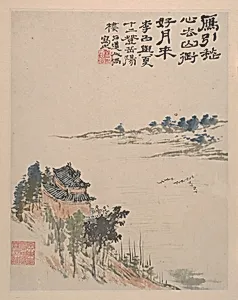
Medium
Album of twelve paintings; ink and color on paper
Dimensions
Image (each leaf): 10 7/8 x 9 1/2 in. (27.6 x 24.1 cm)
Classification
Paintings
Culture & Period
China · Qing dynasty (1644–1911)
Department
Asian Art
Museum
Metropolitan Museum of Art, New York, NY
Credit
The Sackler Fund, 1972
Accession Number
1972.122a–l
Rights
Public Domain
Tags
Art Historical Context
Shitao (also known as Zhu Ruoji), a leading individualist painter of China’s early Qing dynasty, created this intimate album around 1700. Once a Buddhist monk who renounced his imperial Ming lineage, Shitao channeled personal freedom into art, favoring spontaneous brushwork over rigid academic styles. “Wilderness Colors” reflects his lifelong fascination with nature’s unassuming beauty, presenting twelve leaves that celebrate simple subjects such as vegetables, flowers, and quiet landscapes. Executed in ink and light color on paper, each small leaf invites close, sequential viewing—an experience central to the Chinese album format. The modest scale encourages viewers to linger on expressive strokes that capture the fleeting vitality of garden produce or a misty hillside, blending scholarly restraint with playful vitality. Acquired by the Metropolitan Museum in 1972, the album stands as a treasured example of Qing literati painting, where everyday motifs become vehicles for philosophical reflection on harmony between humans and the natural world.