
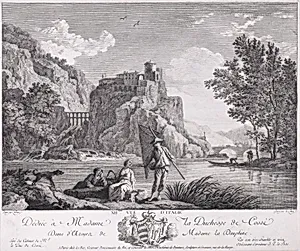
XIIeme Vue d'Italie. Le Bas
18th century
Medium
intaglio
Classification
Prints
Department
Drawings and Prints
Museum
Metropolitan Museum of Art, New York, NY
Credit
Harris Brisbane Dick Fund, 1953
Accession Number
53.600.1547
Rights
Public Domain
About this artwork
This intaglio, created in 18th century, represents significant artistic achievement by Joseph Vernet, a French artist. The piece demonstrates the technical capabilities and aesthetic conventions of French art during this historical period. Working in intaglio, the artist employed materials and techniques characteristic of the era, creating visual effects that convey both subject matter and artistic vision. Museum collections preserve such works to ensure continued study and appreciation, providi...
Art Historical Context
Joseph Vernet’s “XIIeme Vue d'Italie. Le Bas” is an eighteenth-century intaglio print that captures the enduring appeal of Italian landscapes for French audiences of the period. As part of a numbered series, the work reflects the era’s taste for vedute—picturesque views that allowed viewers to travel vicariously through art. Vernet, a leading French painter and printmaker, specialized in such scenes, blending observation with a refined sense of atmosphere. The intaglio technique itself highlights the technical sophistication of eighteenth-century printmaking. By incising lines into a metal plate, the artist could produce delicate tonal effects and fine detail that were widely circulated, extending the reach of his imagery beyond a single canvas. This medium made ambitious landscape compositions accessible to collectors and scholars alike. Today the print resides in the Metropolitan Museum of Art’s Department of Drawings and Prints, acquired through the Harris Brisbane Dick Fund in 1953. Its careful preservation underscores museums’ role in safeguarding the visual record of cultural exchange between France and Italy during the Enlightenment.