
Zanguleh (zangula)
Unknown Artist
late 19th Century
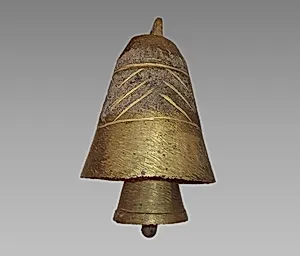
Medium
Metal
Dimensions
Overall: H. ±4 15/16 x W. ±2 13/16 x D. ±2 5/16 in. (±12.6 x ±7.2 x ±5.9 cm) See measurement photo for specific measurements
Classification
Idiophone-Struck-bell-clapper
Culture
Iranian (Persian)
Department
Musical Instruments
Museum
Metropolitan Museum of Art, New York, NY
Credit
The Crosby Brown Collection of Musical Instruments, 1889
Accession Number
89.4.2441
Rights
Public Domain
Art Historical Context
Nestled in the Metropolitan Museum of Art's Crosby Brown Collection of Musical Instruments this *Zanguleh* (or *zangula*) is a captivating example of late 19th-century Iranian craftsmanship. Hailing from Persian culture, this small metal idiophone—measuring about 5 inches high, 2¾ inches wide, and ⅜ inches deep—belongs to the struck-bell-clapper family. These handheld bells were essential in traditional Persian music, signaling rhythms in ensembles or punctuating ceremonial dances and processions. Forged from metal, the *zanguleh* exemplifies the skilled metalworking techniques of Qajar-era Iran, where artisans balanced functionality with elegant form. Its clapper mechanism produces a resonant, sharp tone when struck, inviting listeners to imagine the lively sounds of teahouses, weddings, or Sufi gatherings. Though the artist remains unknown, the object's compact design highlights Persian ingenuity in creating portable instruments for everyday cultural life. Acquired in 1889, this piece offers a window into Persia's rich sonic heritage, bridging art and sound in a single, resonant artifact. Visitors are encouraged to envision its chime echoing through bustling bazaars of the era.