Ctrl K
She needed a police permit to wear trousers, an empress broke protocol to decorate her, and Buffalo Bill hung her portrait of him in his tent. This exhibition follows the most famous woman painter of the nineteenth century through 23 works from four museum collections.
23 works · 4 museums
In the archives of the Paris police there survives a small printed form, filled out in careful clerk's handwriting and renewed faithfully every six months for decades. It is a permission de travestissement — official authorization for one Rosa Bonheur, painter, to appear in public dressed in men's clothing, "for reasons of health."
The reason was not health. The reason was that Bonheur spent her working days in horse markets, slaughterhouses, and cattle fairs — places where a woman in crinolines could not move, could not climb, could not stand for hours sketching among the animals without being mobbed. So twice a year, for most of her adult life, the most famous woman artist in the world walked into a police station and asked the French state for permission to wear pants.
She got the permit. She also got the Légion d'honneur, pinned to her chest by an empress. Both pieces of paper tell the same story from opposite directions.
Rosa Bonheur was born in Bordeaux in 1822, the eldest child of Raymond Bonheur — a struggling painter and a devoted Saint-Simonian, member of a utopian movement that preached, among other scandalous ideas, the full equality of women. Her father took the doctrine seriously: when his daughter failed at school, failed at dressmaking, and wanted only to draw, he trained her exactly as he would have trained a son.
What she wanted to draw was animals. And in Paris, the only place to truly study animal anatomy was the slaughterhouse. As a teenager, Bonheur went — notebook in hand, into the blood and noise of the abattoirs, enduring what she politely called the "repugnance" of the surroundings until she knew an ox the way anatomy students knew a cadaver.
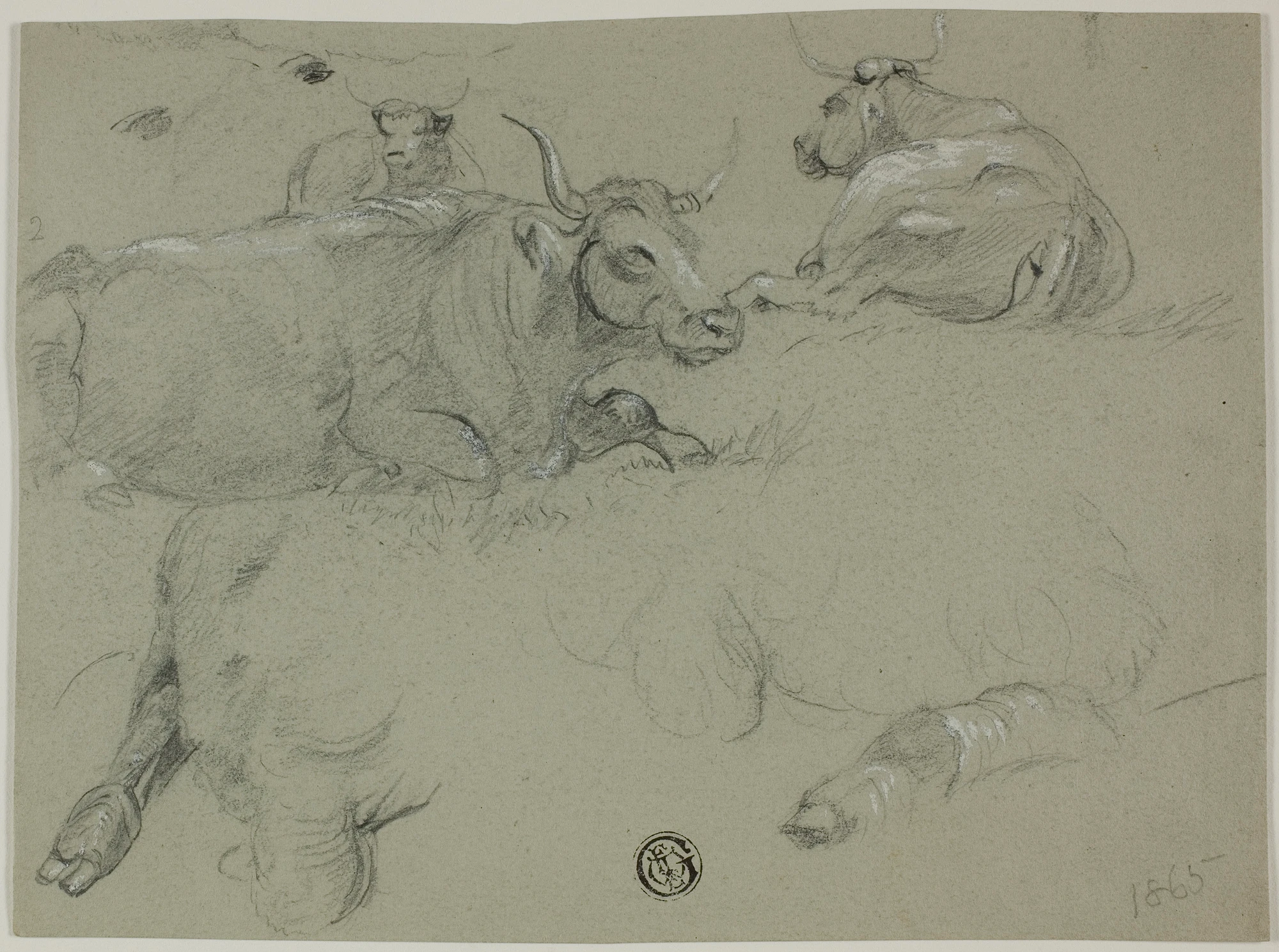
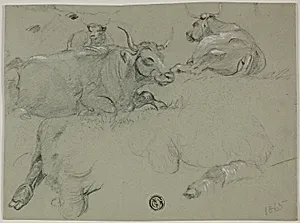
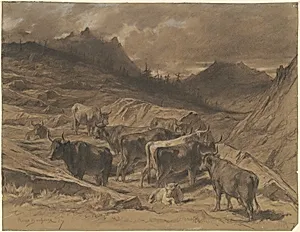
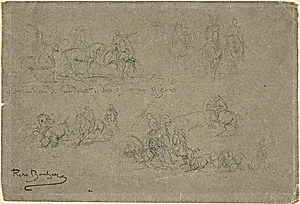
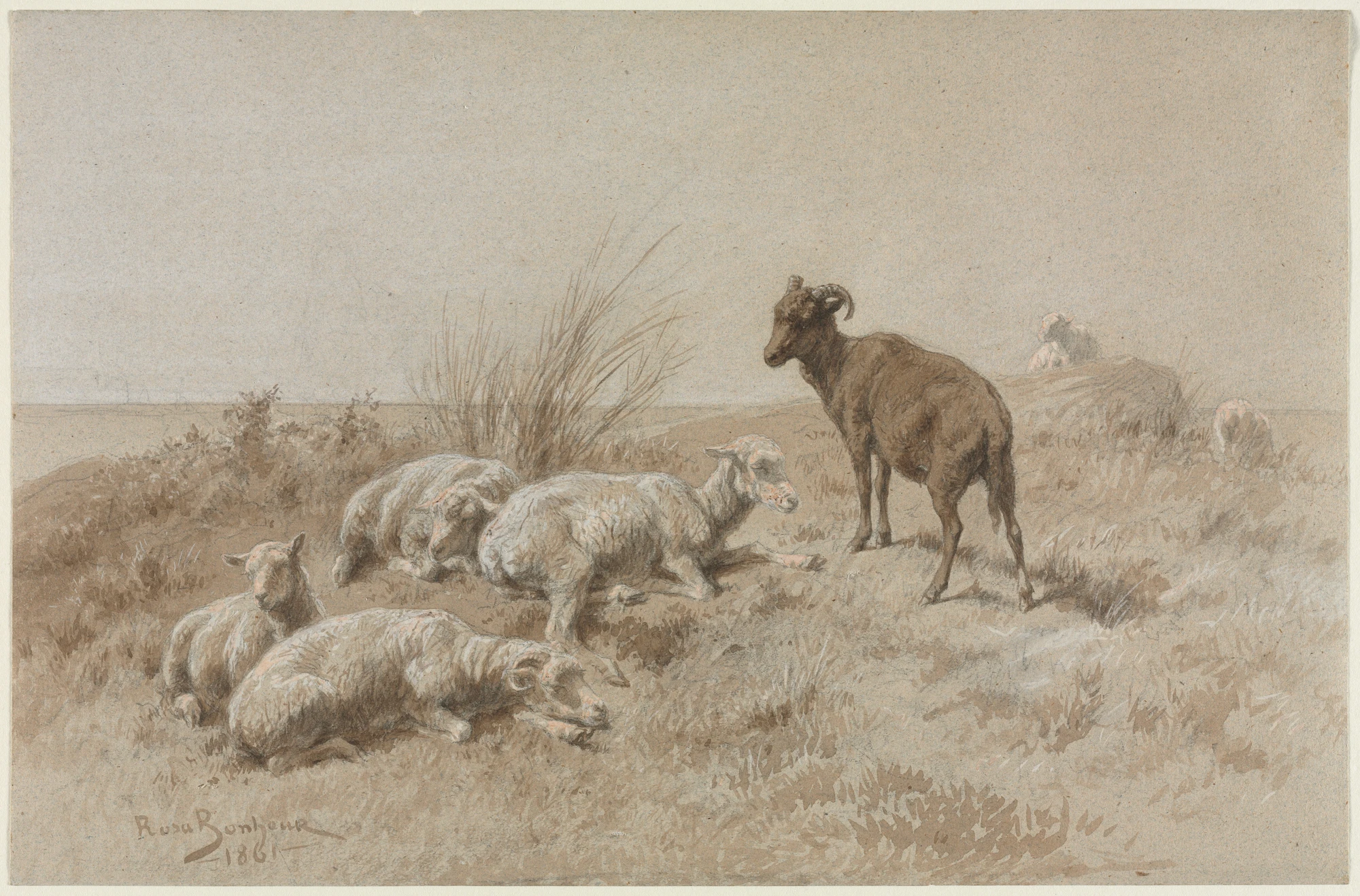
The sketches never stopped. Sheets like these — cows caught grazing, turning, lying down — were the daily discipline behind everything she painted. Look at how few lines each animal needs. That economy was bought with years.
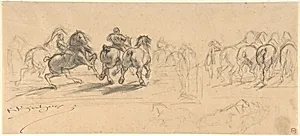
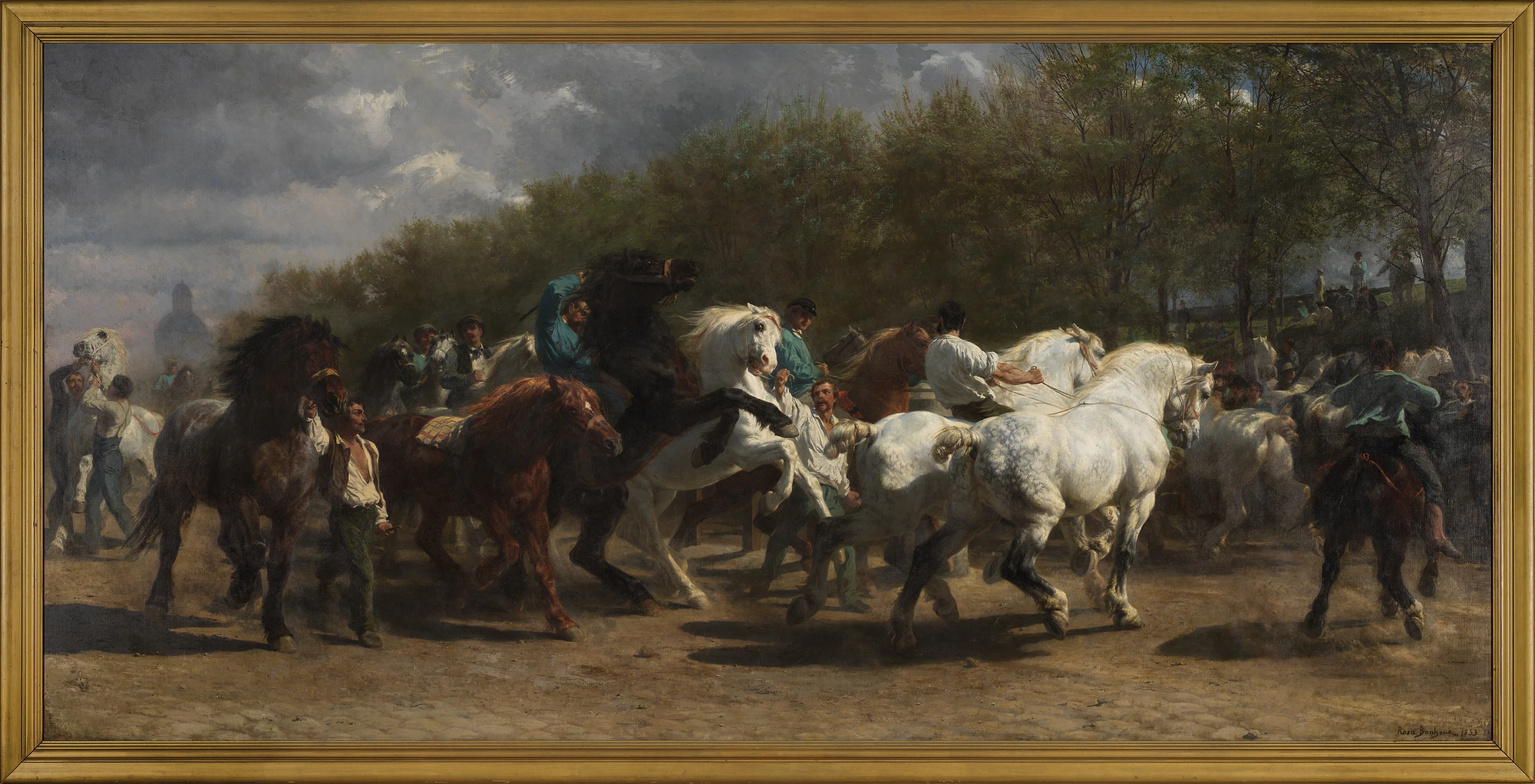
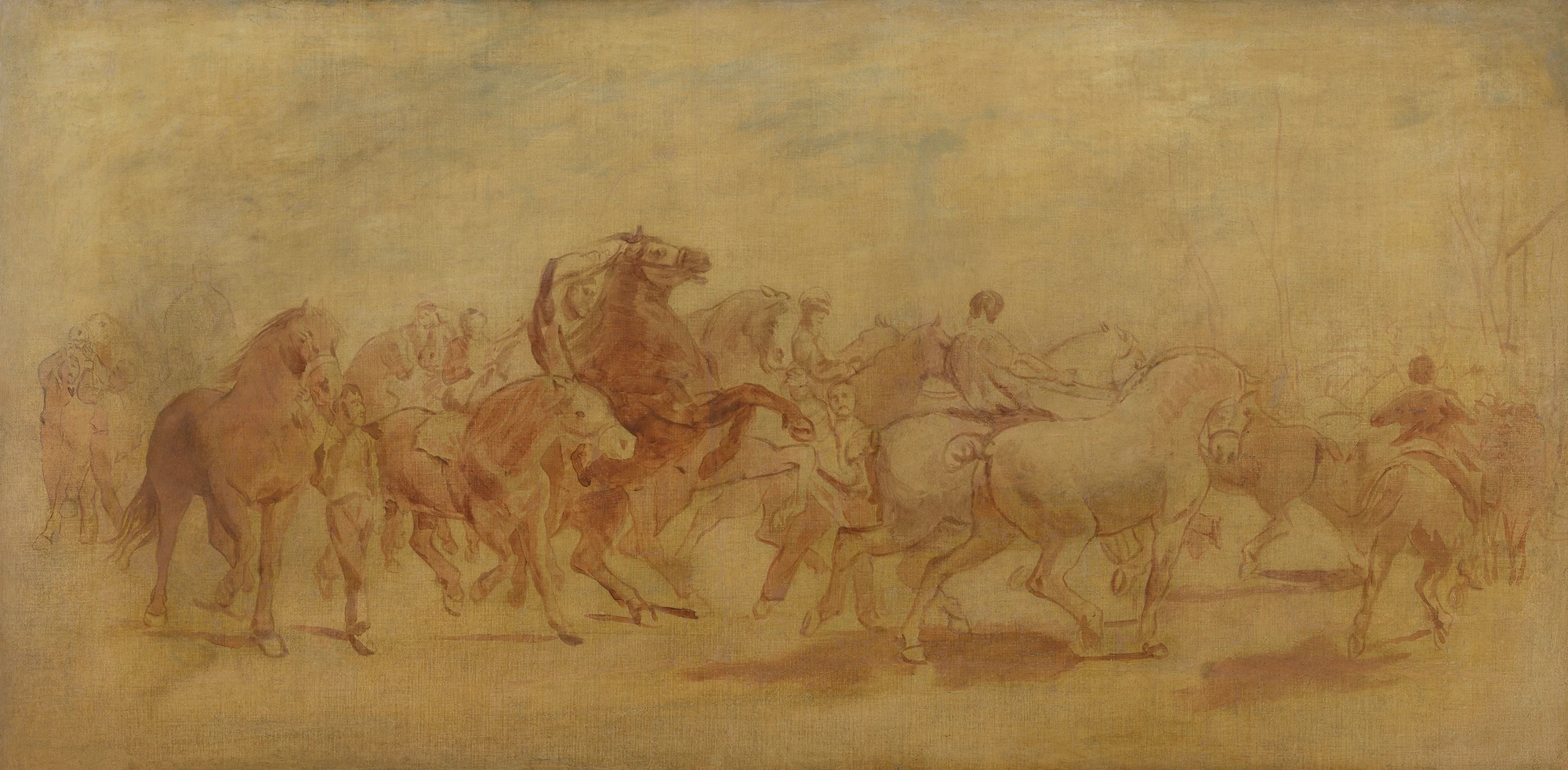
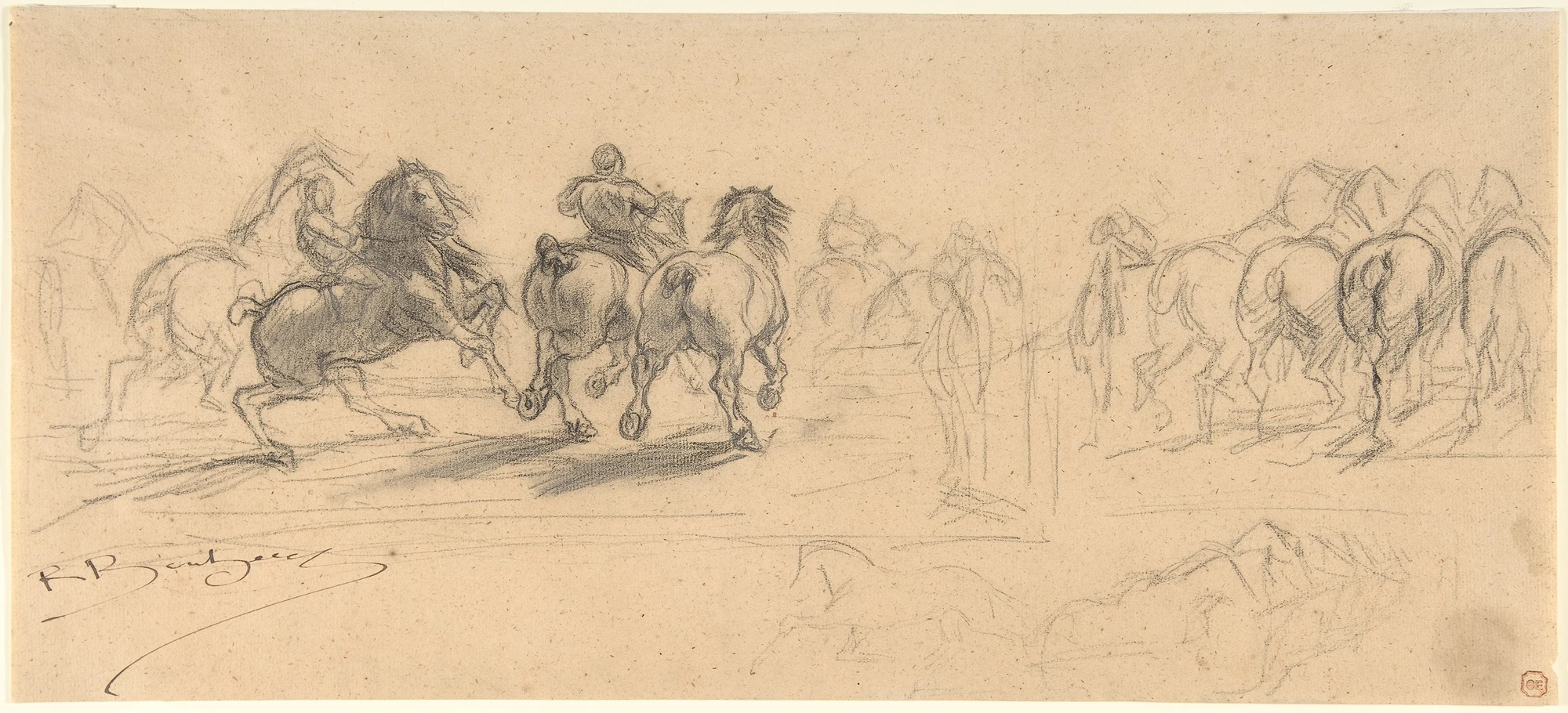
Twice a week for a year and a half, Bonheur walked to the horse market on the Boulevard de l'Hôpital — in trousers, with her permit in her pocket — and drew. Dealers ran Percherons in circles to show them off to buyers. She filled sheet after sheet with rearing necks, braced legs, straining handlers.
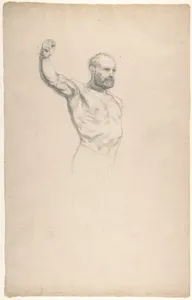
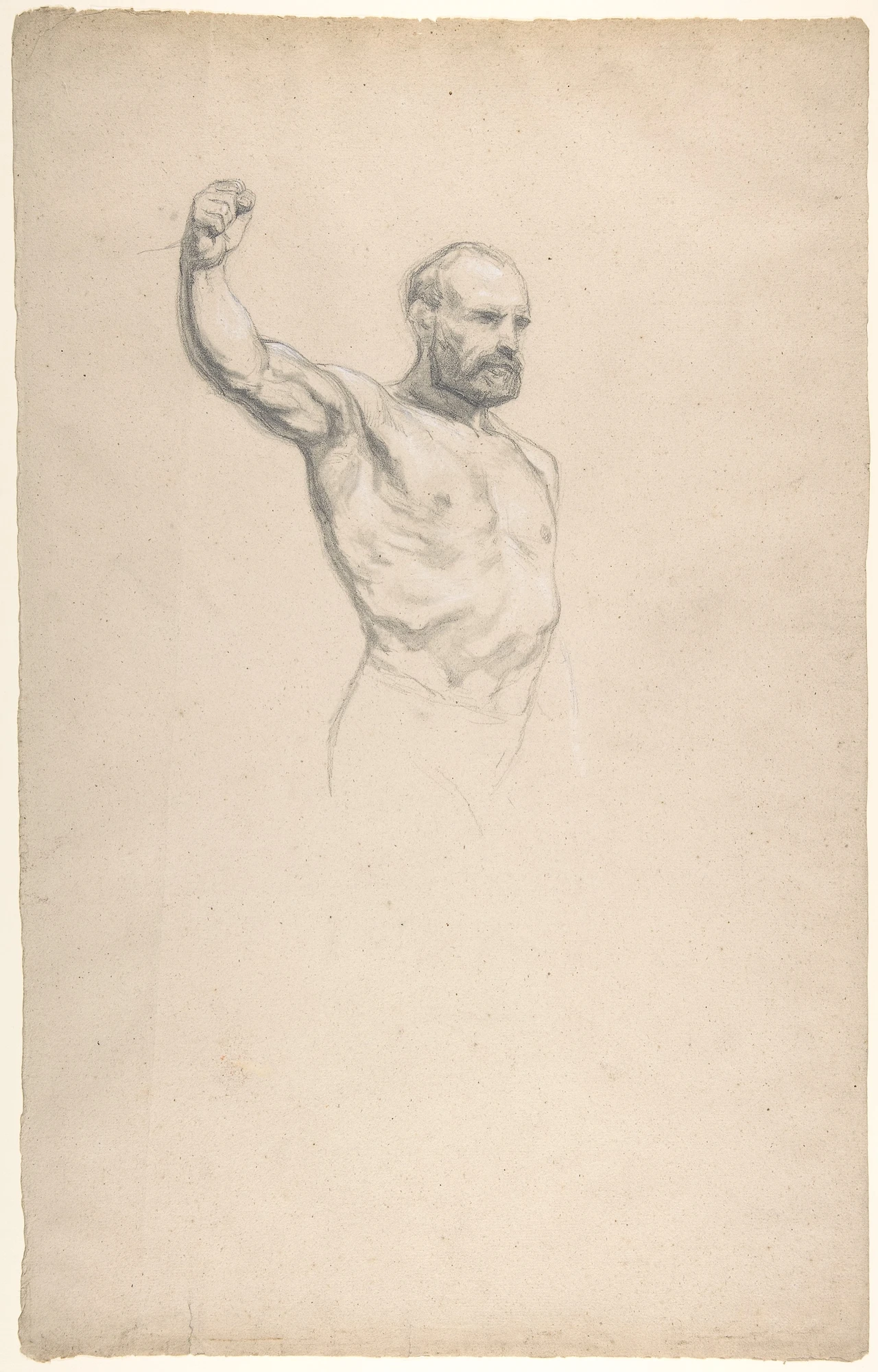
She studied the men as carefully as the horses — this bare-chested handler exists in chalk because Bonheur needed to know exactly how a human body leans against half a ton of moving muscle.
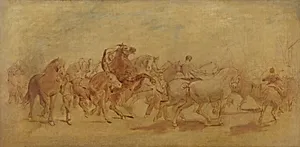
The finished painting, shown at the Salon of 1853, is eight feet tall and sixteen feet wide — the scale reserved for coronations and battle scenes, spent instead on work horses. It made her the most celebrated woman painter alive. Queen Victoria asked to see it privately. And in 1887 Cornelius Vanderbilt II bought it for $53,000 — a colossal sum — and gave it to the Metropolitan Museum, where it still stops visitors mid-stride.
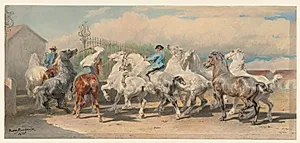
Twenty years after the original, she returned to the subject in watercolor — the fair seen again in memory, looser and quieter.
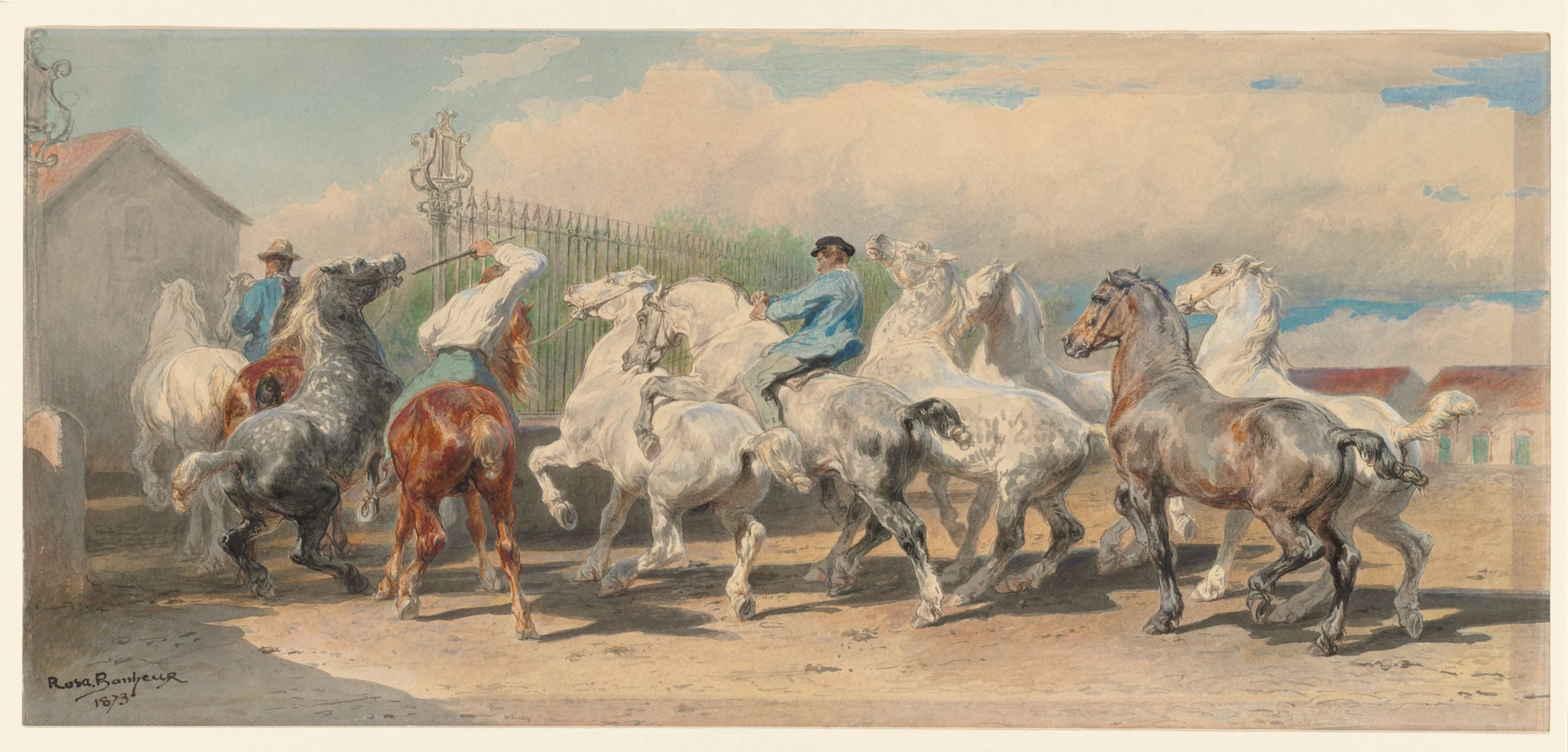
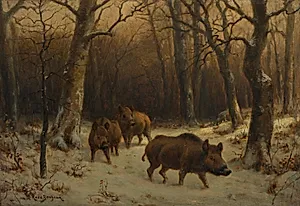
Fame bought her exactly what she wanted: distance. In 1860 Bonheur purchased the Château de By on the edge of the Fontainebleau forest and moved in with Nathalie Micas — her companion since adolescence, her household's other half for more than forty years. Then she populated the estate like an ark: horses, cattle, sheep, boars, stags, monkeys, and at various points lions, who were permitted to wander.
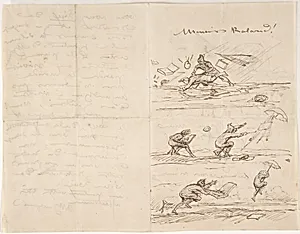
Her letters from these years are as lively as her paintings — she illustrated them in the margins, unable to write a page without an animal walking through it.
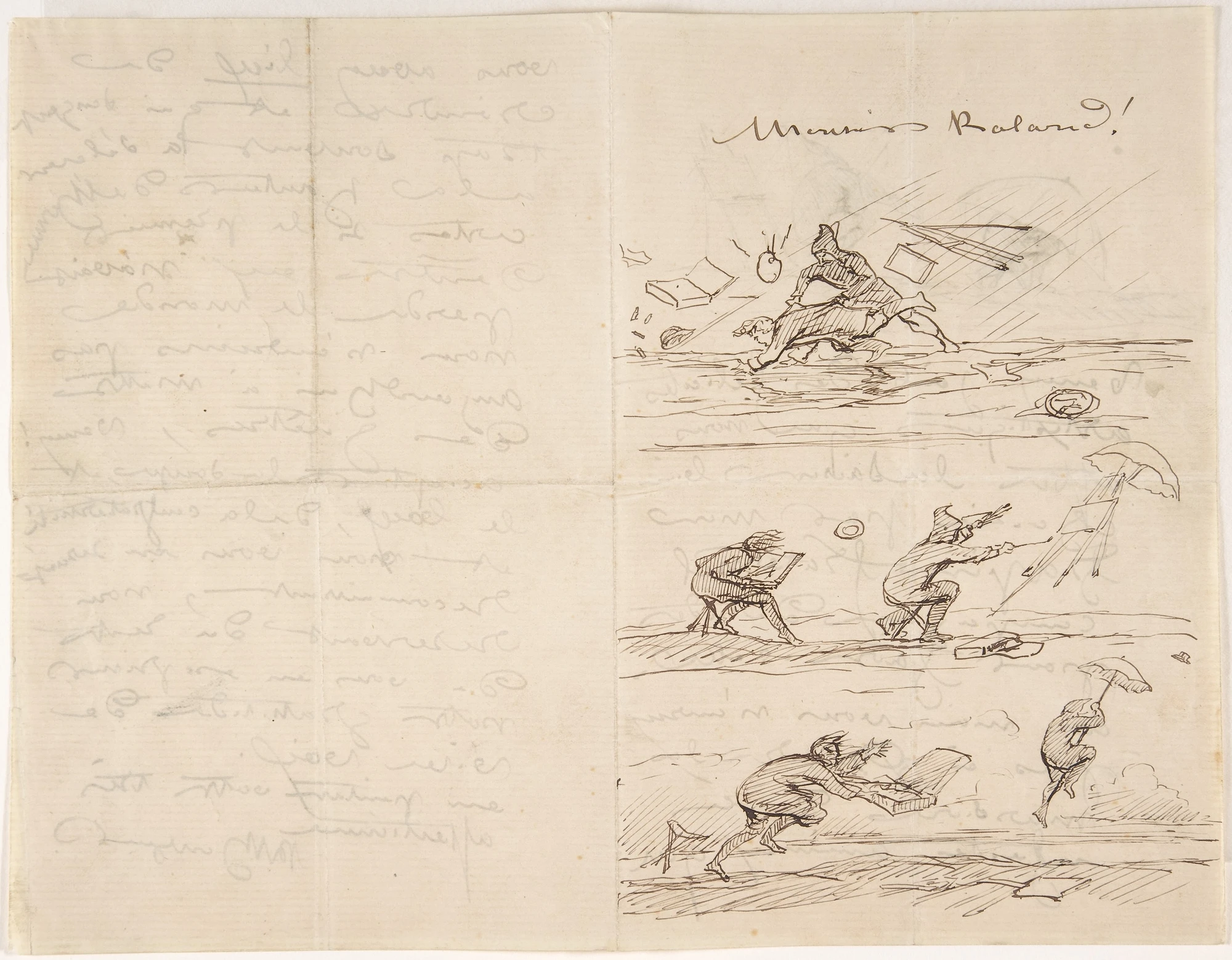
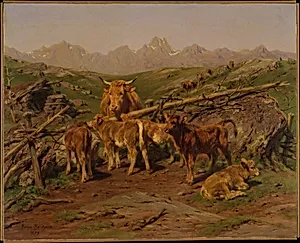
At By she no longer went looking for models. She lived with them.
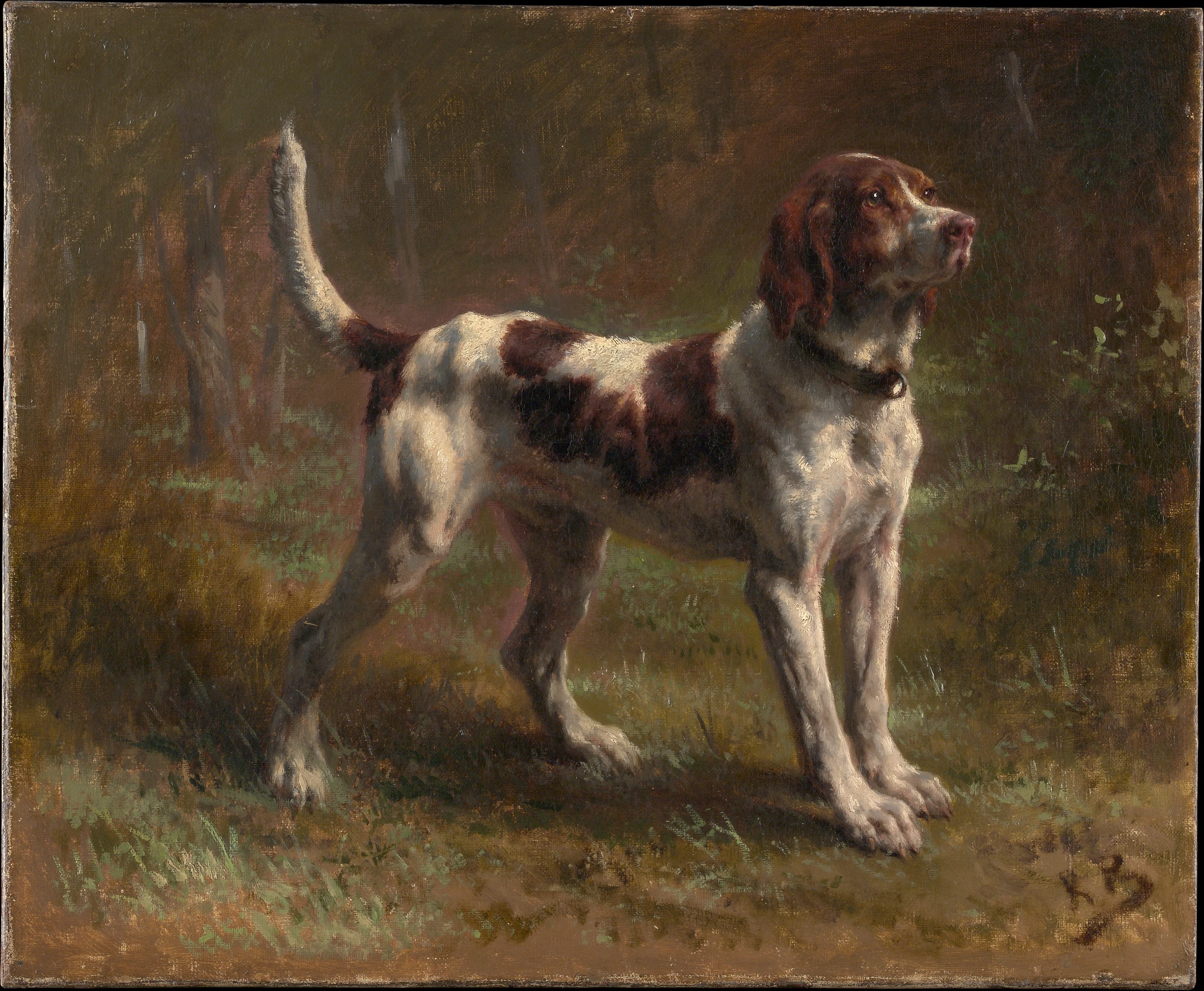
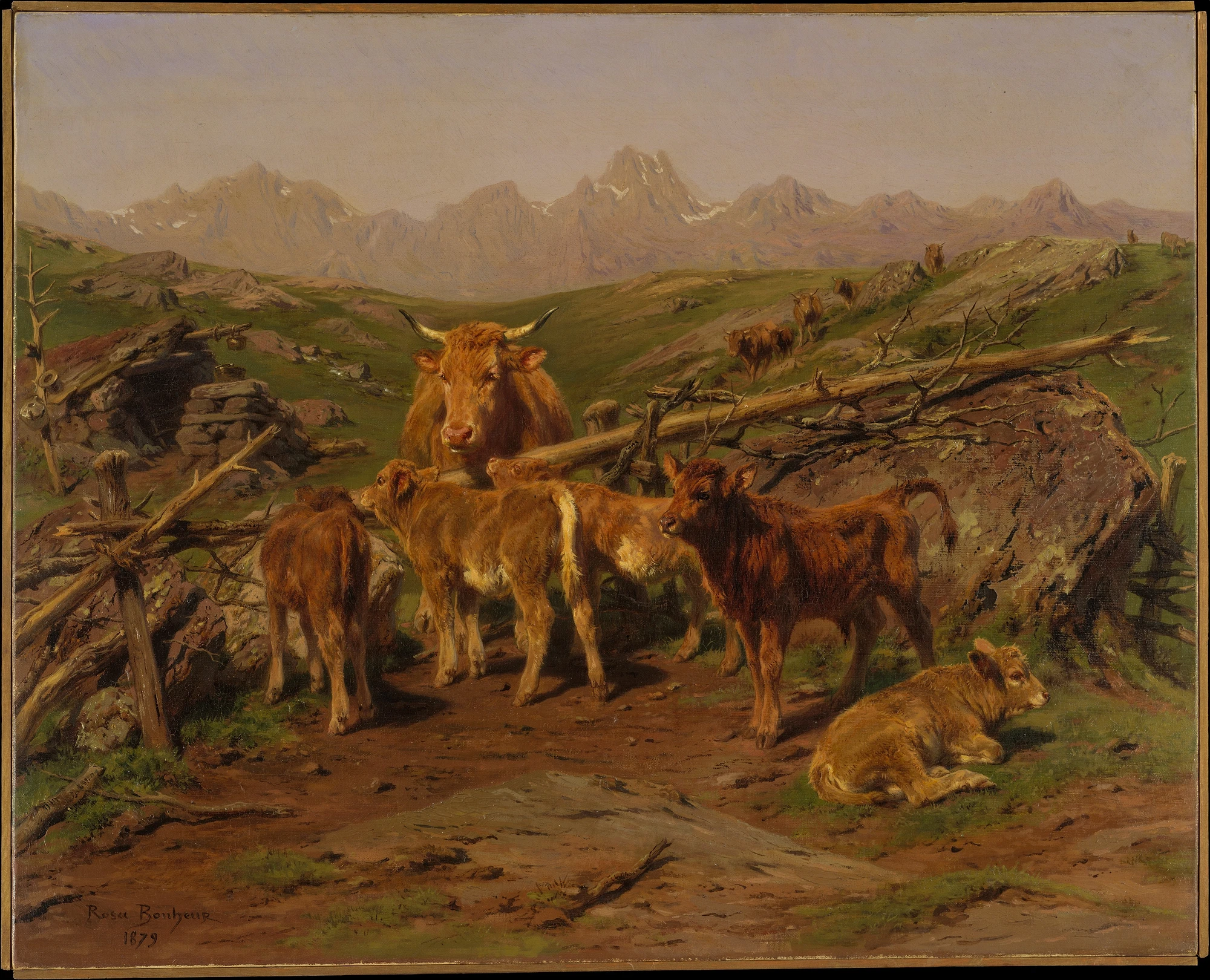
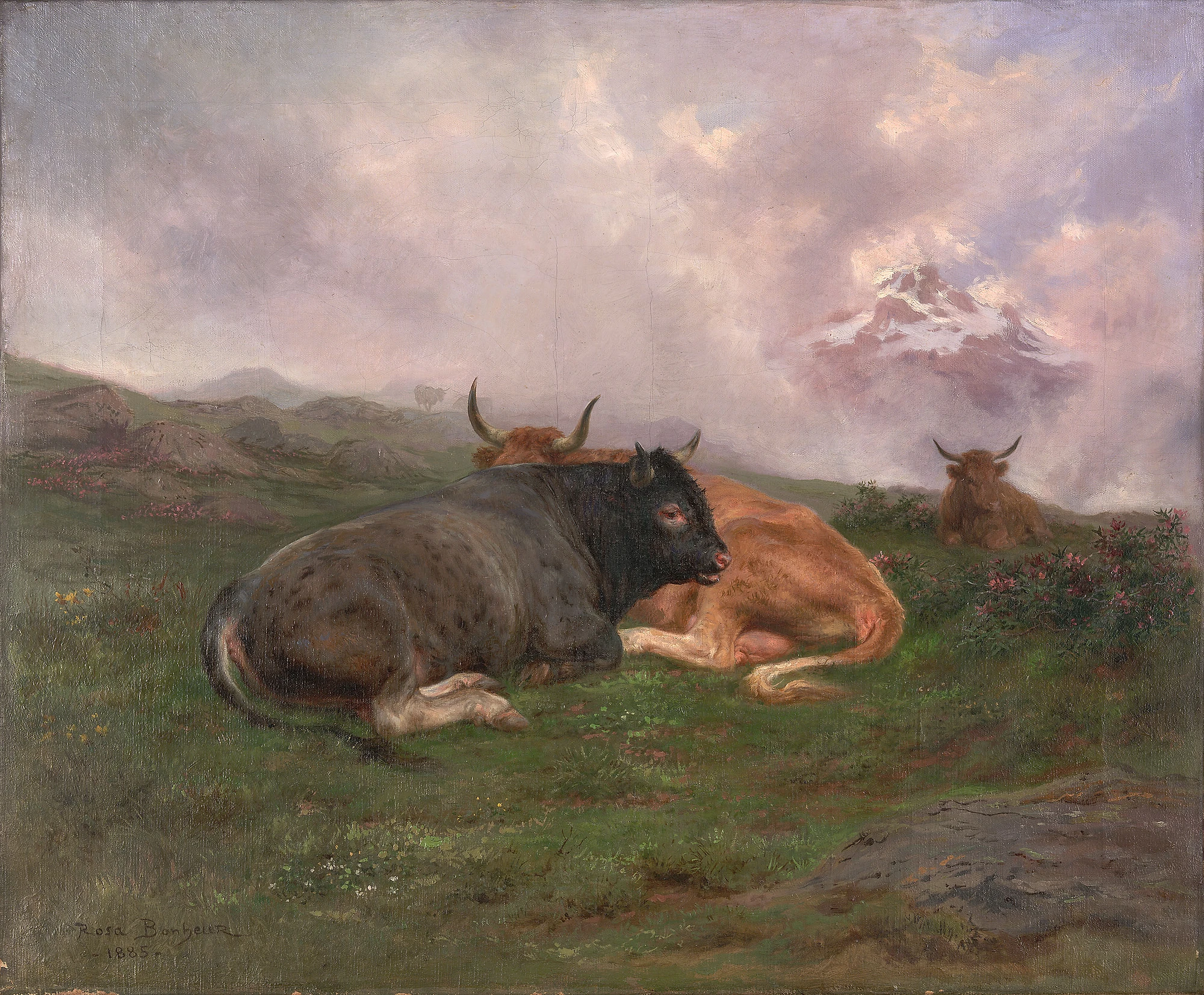
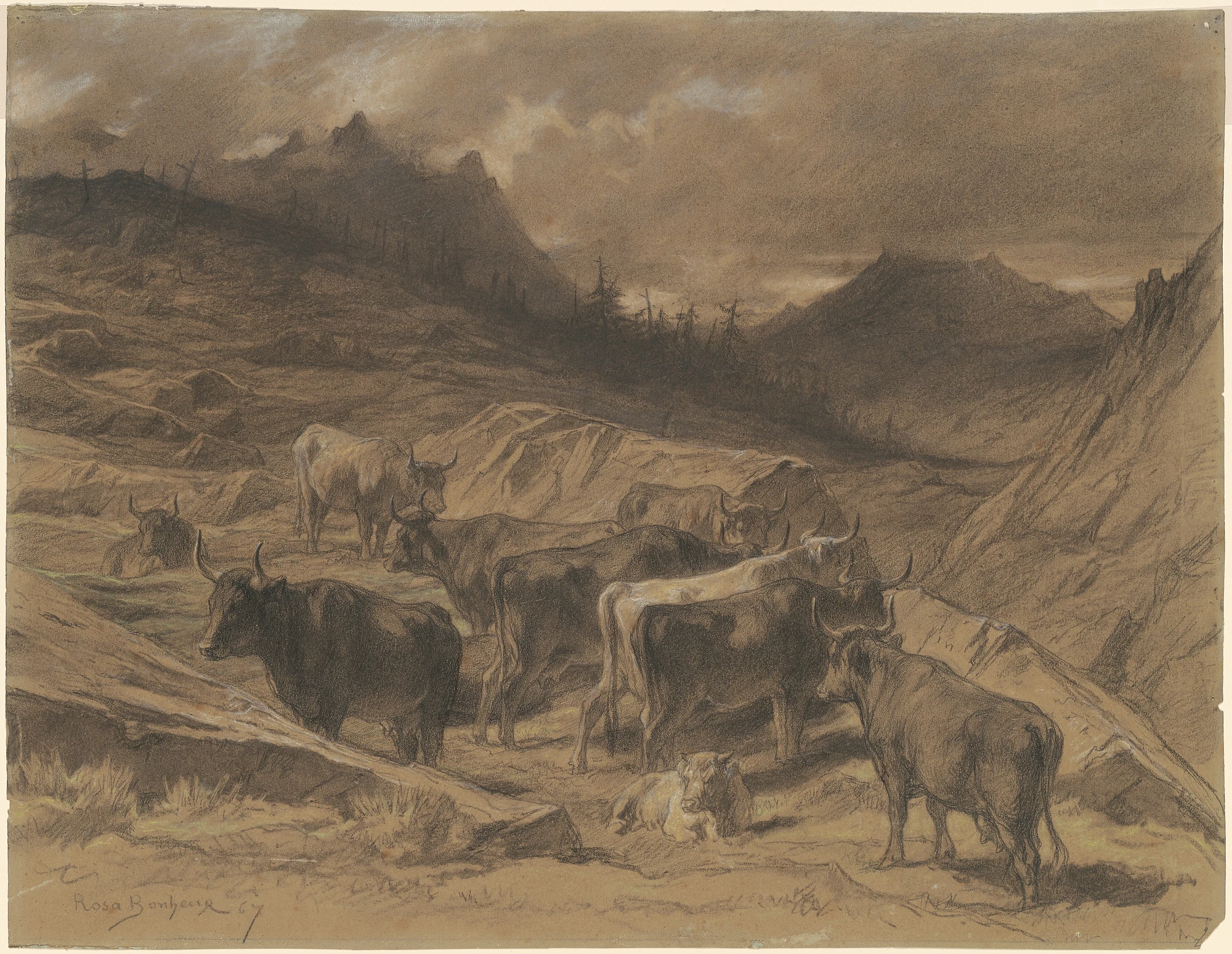
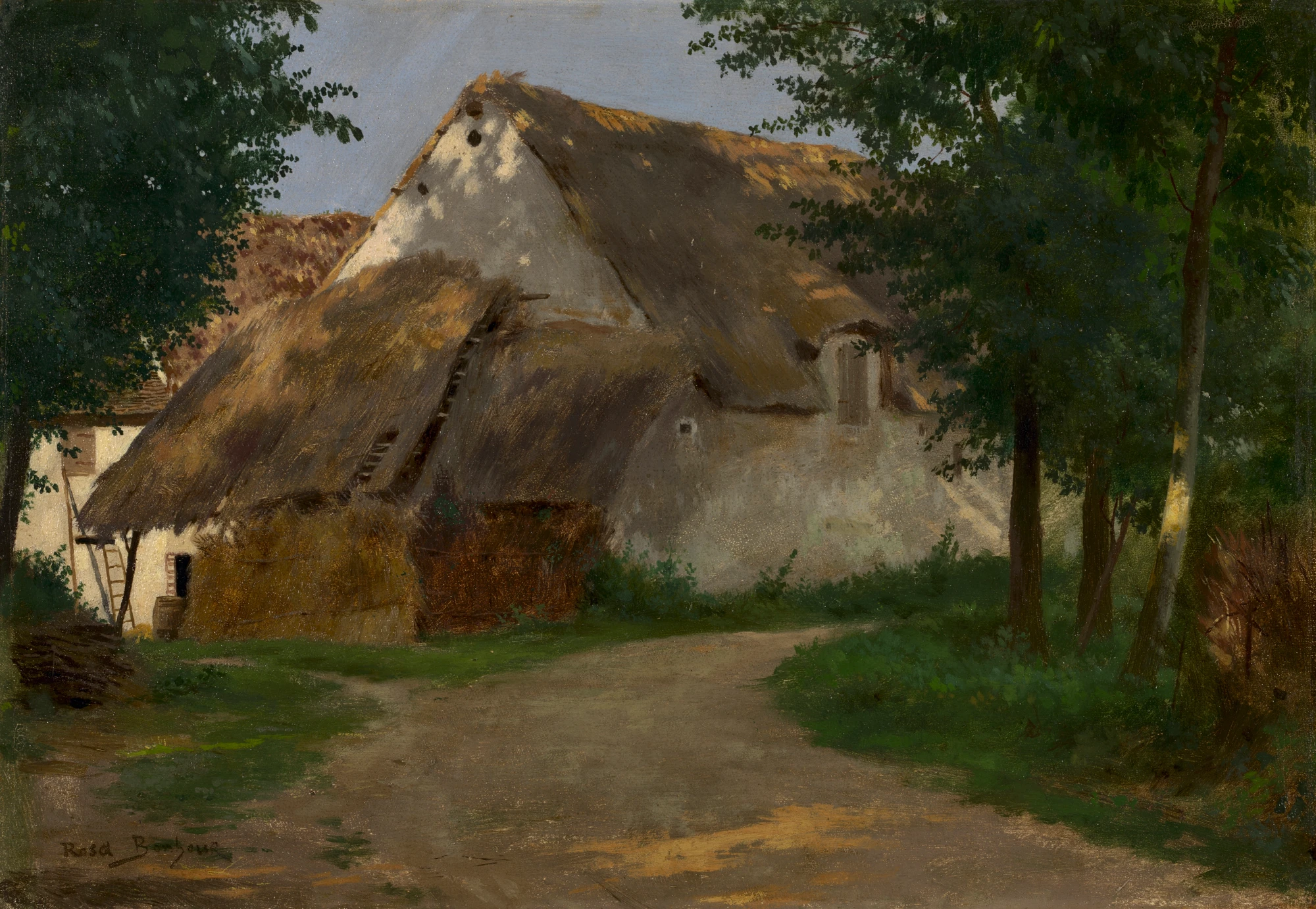
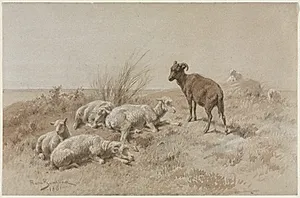
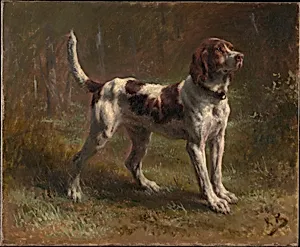
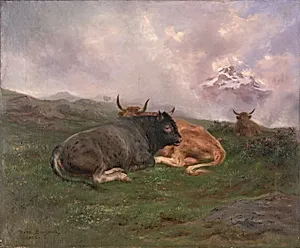
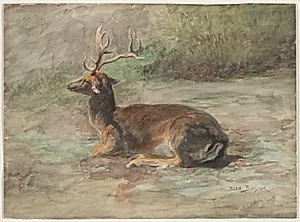
Notice what is missing from all of these: sentimentality. Her animals are never dressed up as people, never wide-eyed, never performing for us. They have the self-possession of beings with their own business to attend to. That respect — more than technique — is her signature.
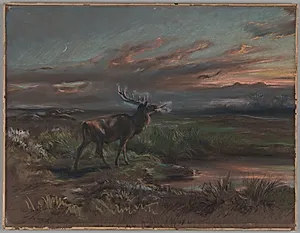
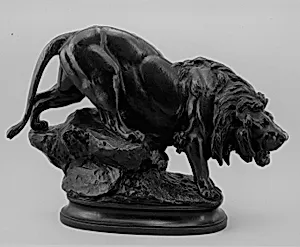
The farm animals paid the bills. The wild ones were something closer to a private religion.
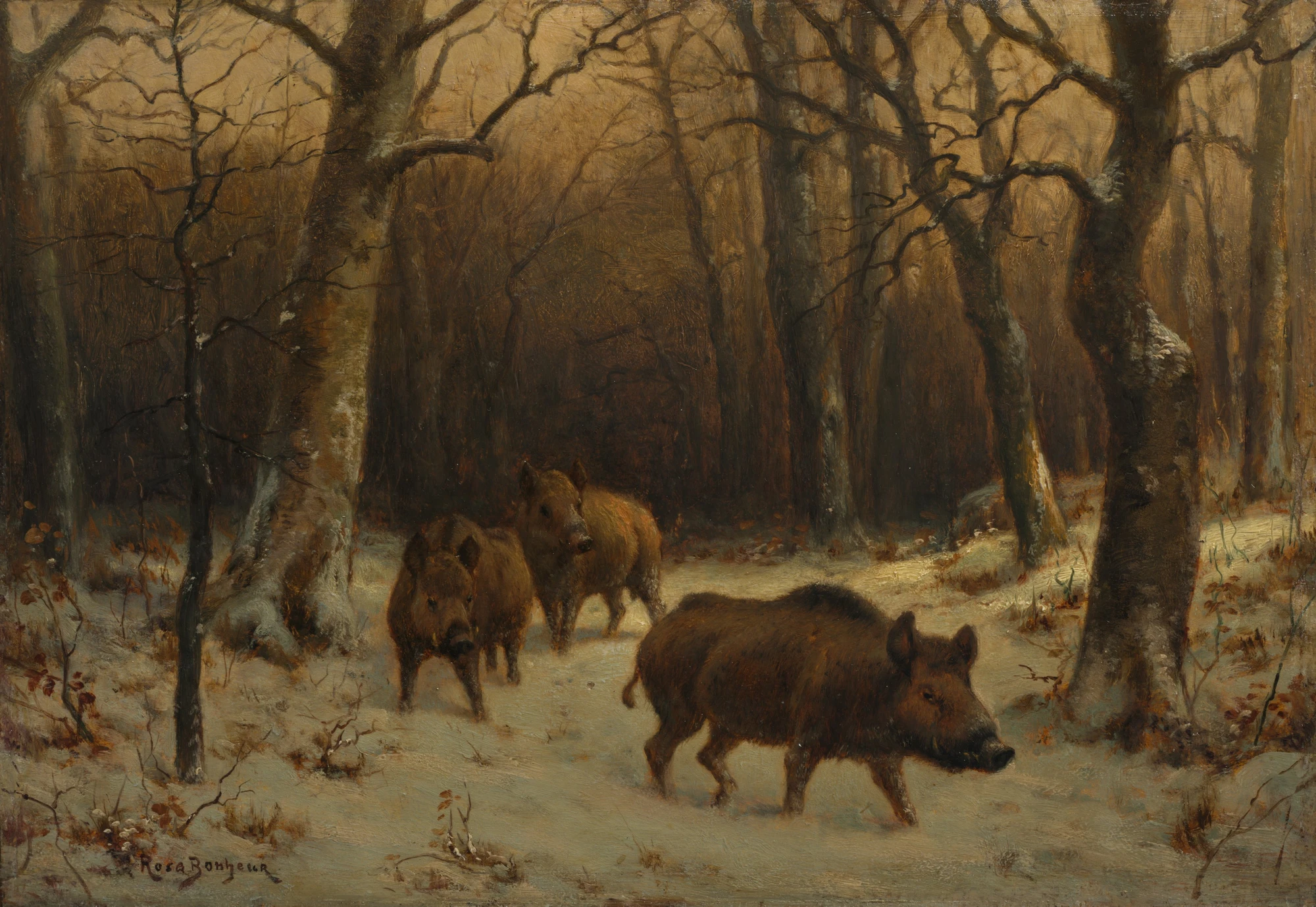
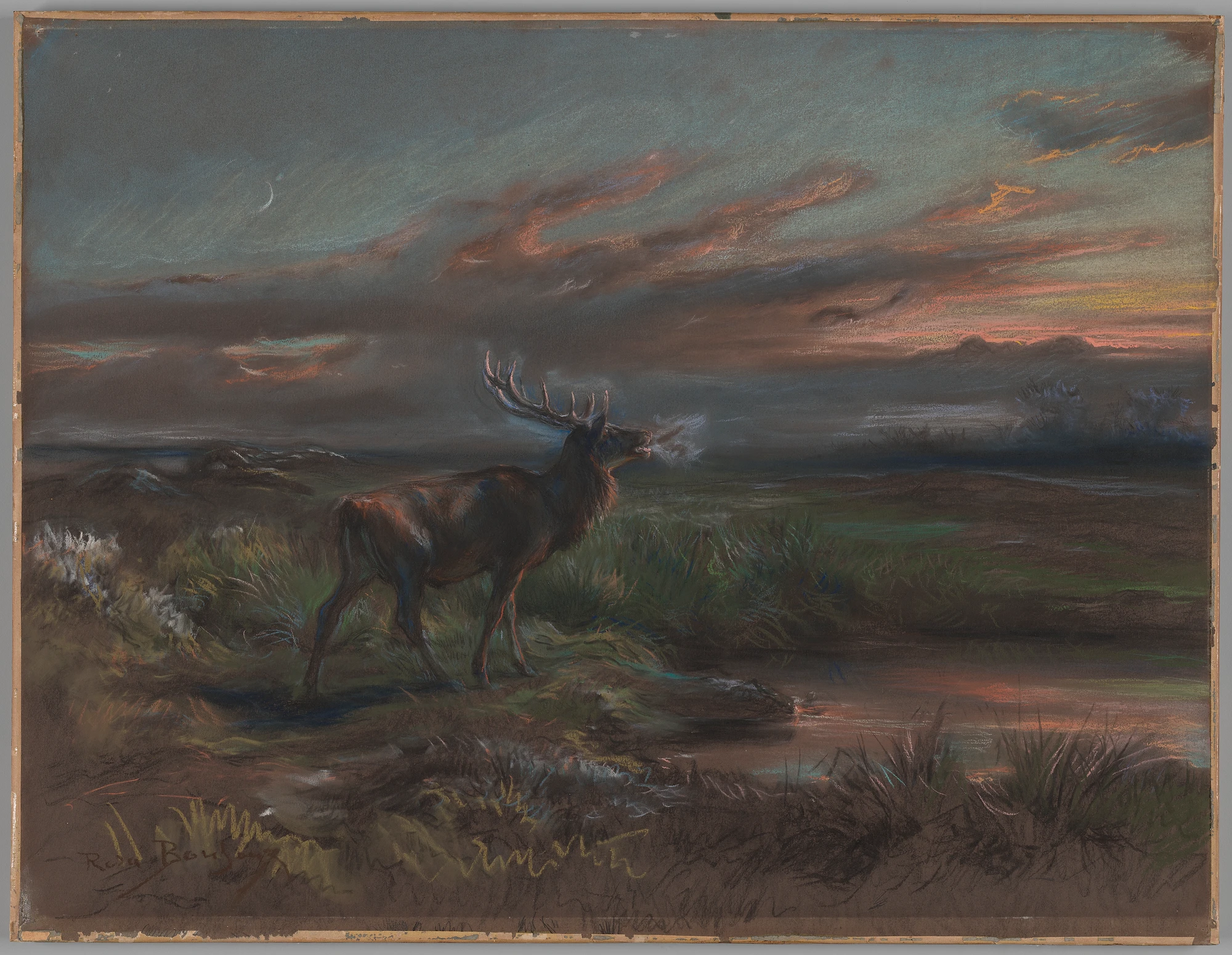
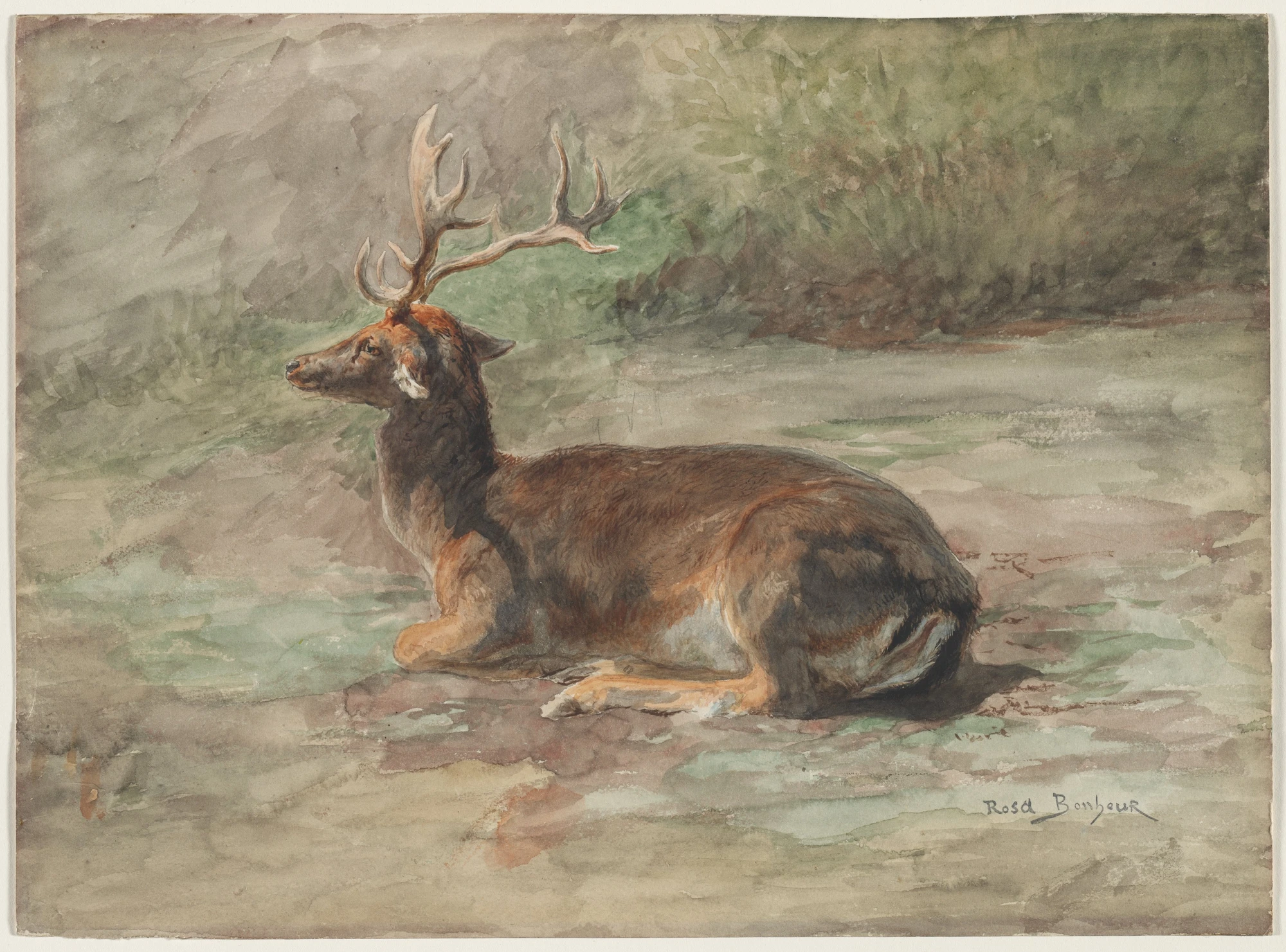
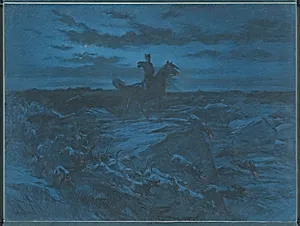
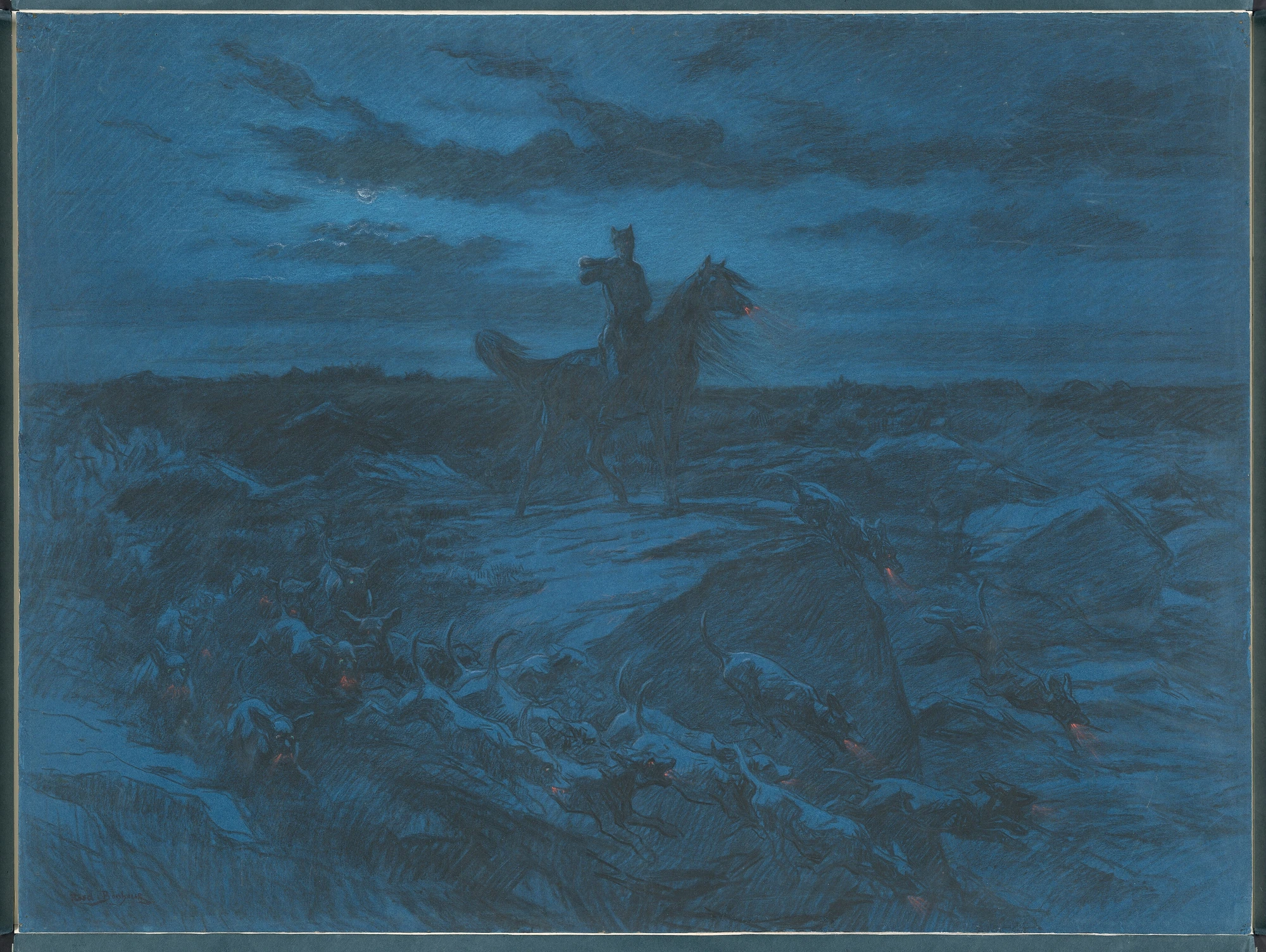
In her last decade she worked increasingly in charcoal and pastel — faster media for a hand that had less time. The Legend of the Wolves is among the strangest things she ever made: a pack moving through darkness, drawn by a woman near eighty who had spent her whole life proving she understood animals better than anyone, and who here seems to admit they kept a mystery from her after all.
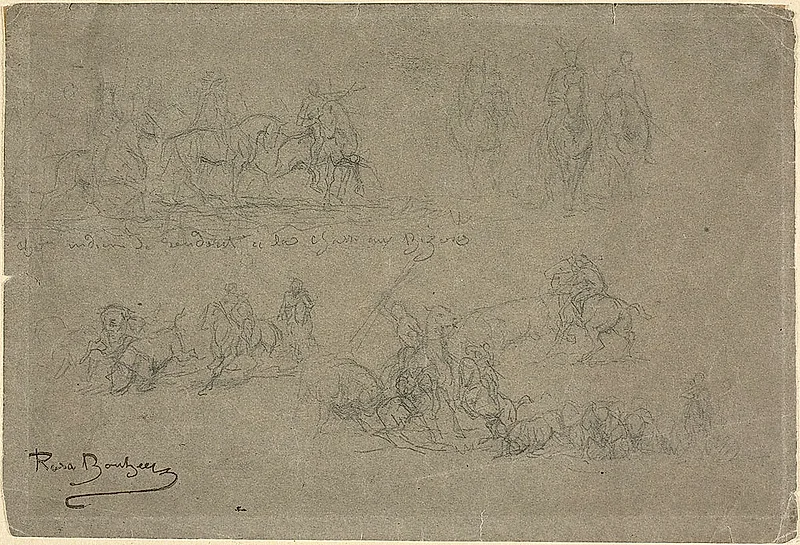
In 1889 the Wild West came to the Exposition Universelle. Buffalo Bill Cody's show — cowboys, sharpshooters, Lakota performers, a herd of actual bison — camped outside Paris, and the sixty-seven-year-old Bonheur was there again and again with her sketchbook, granted free run of the camp. She painted Cody on his white horse; he liked the portrait so much he used it on his posters.
Sheets like this one were made in the camp — a mounted chief, studies of riders — a French animal painter's astonished encounter with an entirely different tradition of living with horses.
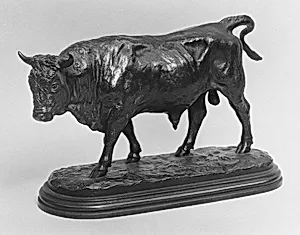
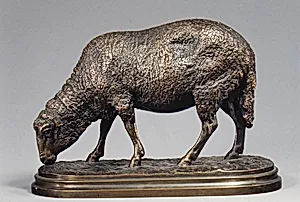
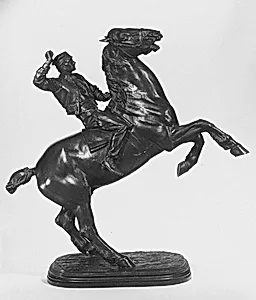
The Bonheurs were a dynasty. Raymond trained all four of his children into artists: Auguste and Juliette painted, Isidore sculpted — and so, less famously, did Rosa. Her bronzes are small, dense, and utterly unglamorous: a bull mid-stride, a ewe fresh from shearing.
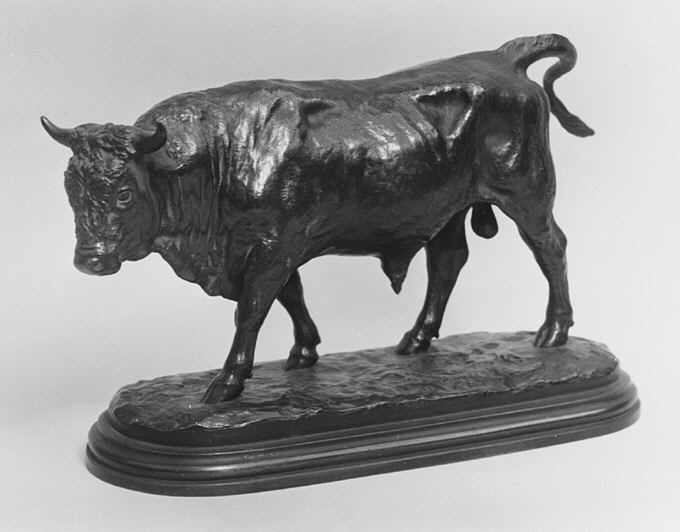
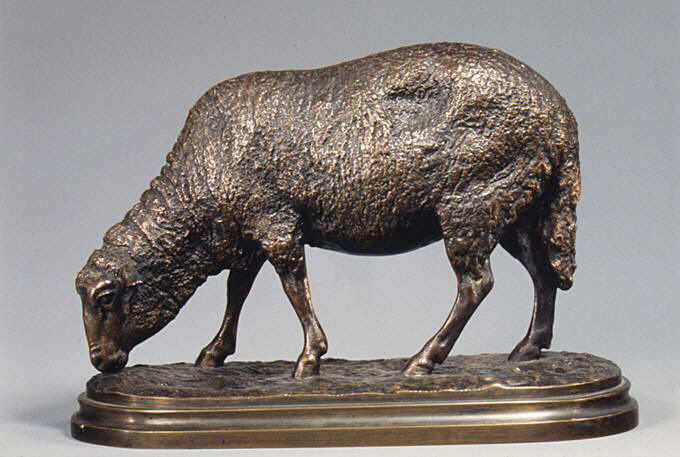
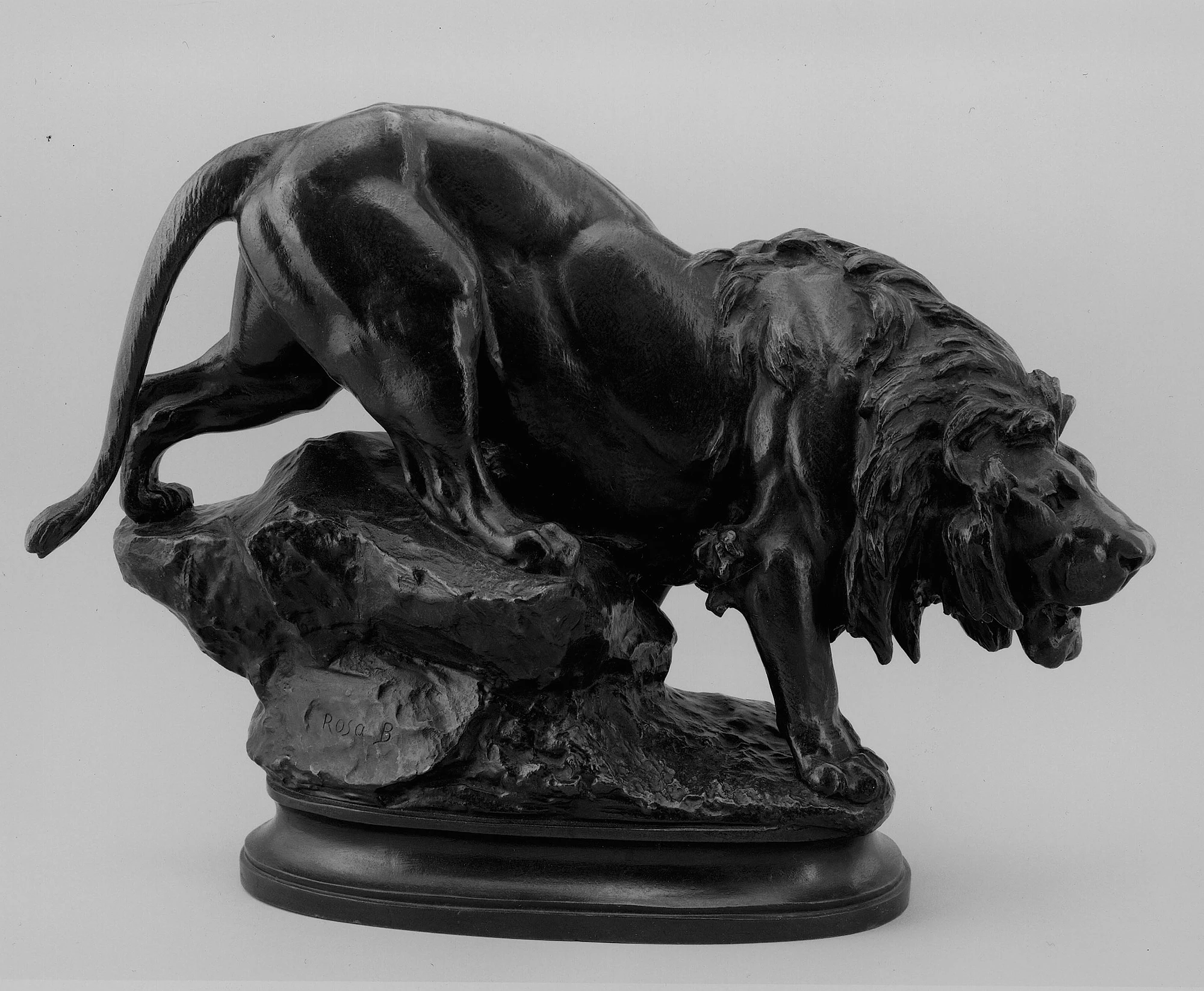
Her brother Isidore built a full career in bronze — his rearing stallion makes a fine argument that the family talent was not one person's accident.
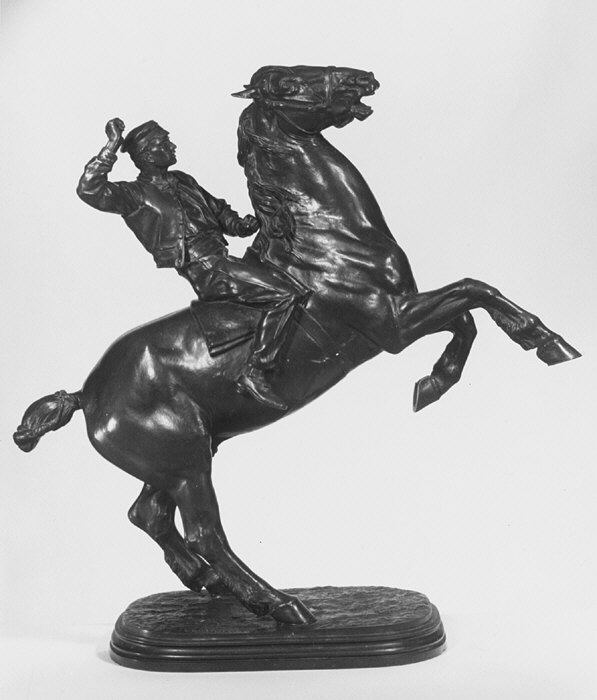
In 1865 the Empress Eugénie traveled to By, and — over the objections of ministers who considered the honor unthinkable for a woman — pinned the cross of the Légion d'honneur on Rosa Bonheur herself. The empress's verdict survives: "Genius has no sex."
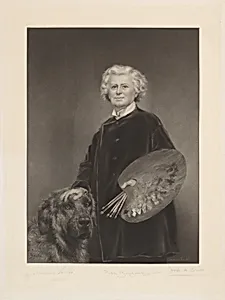
Bonheur died at By in 1899, at seventy-seven, and was buried in Père-Lachaise beside Nathalie Micas. This mezzotint portrait, made three years before her death, shows the public Rosa: medals, dark jacket, cropped hair, the level gaze of someone long past caring what you make of her.
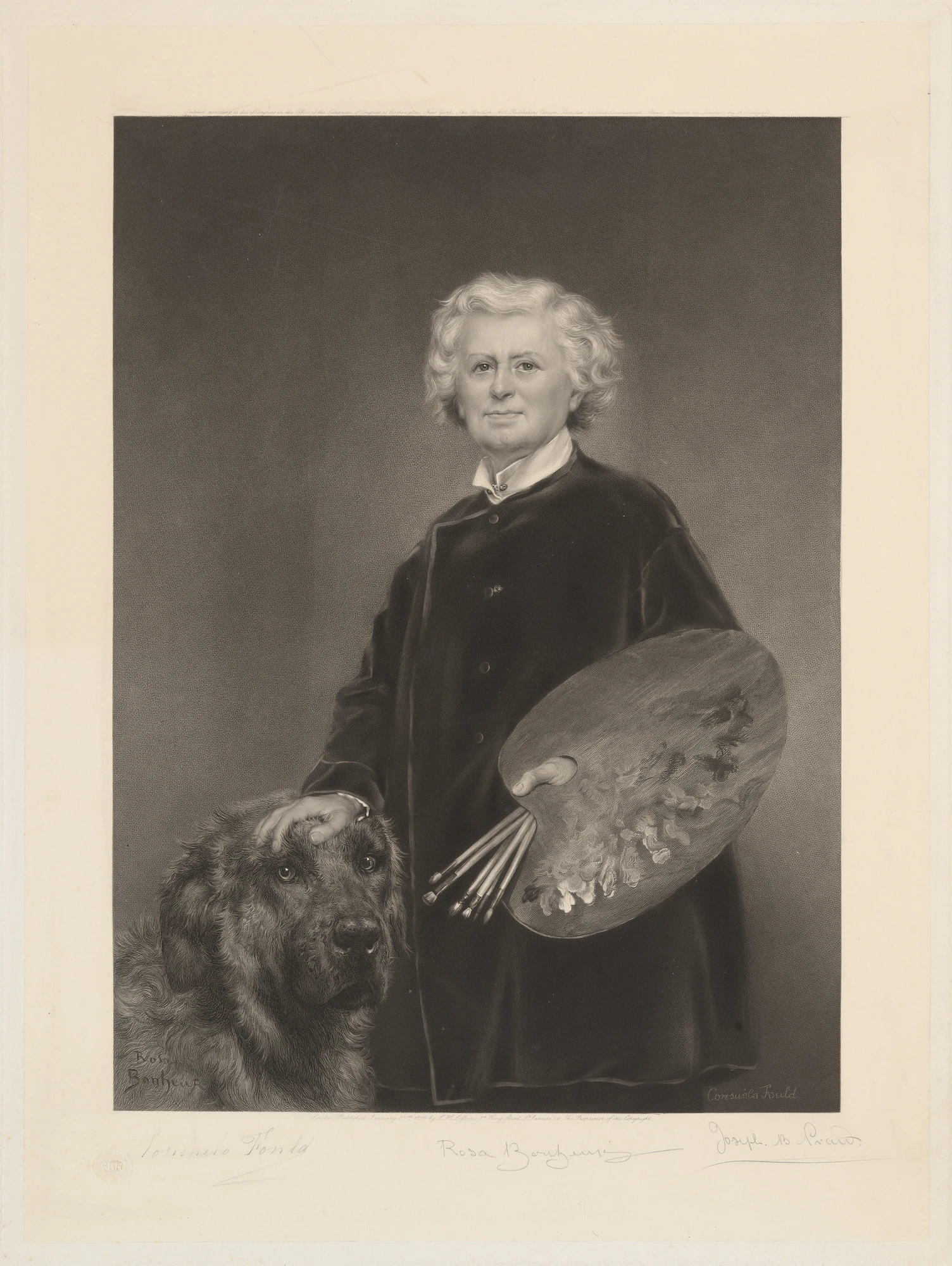
She once said the horses were the only ones who never asked why she wore trousers.
This exhibition presents 23 works drawn from four museum collections: The Metropolitan Museum of Art (New York), the National Gallery of Art (Washington, D.C.), the Art Institute of Chicago, and the Cleveland Museum of Art.
Curator
Vasily Gnuchev
Start Date
8/26/2026
End Date
8/26/2027
Visibility
Public
Rosa Bonheur
Black chalk and graphite