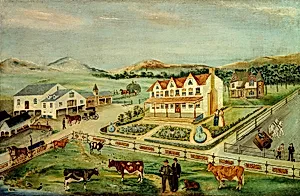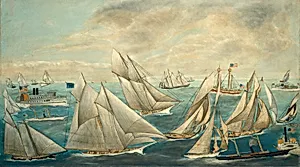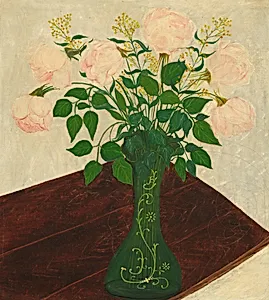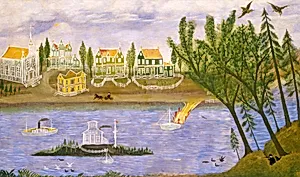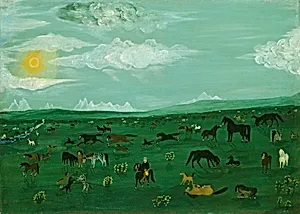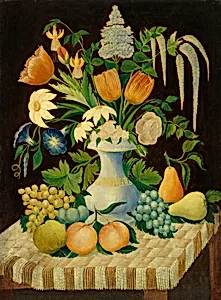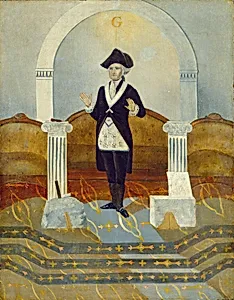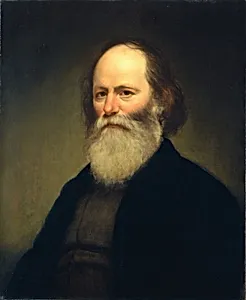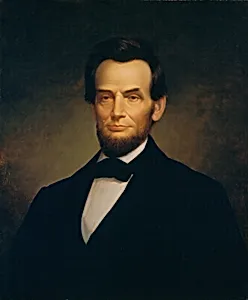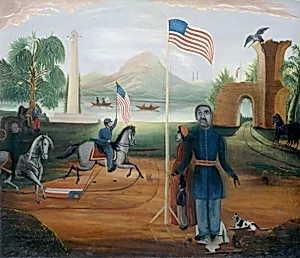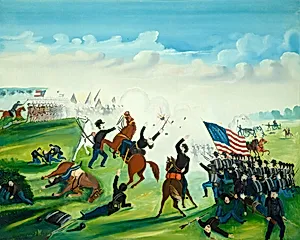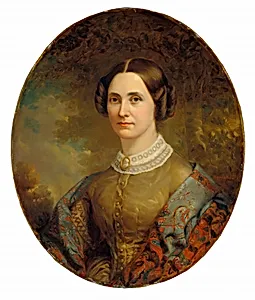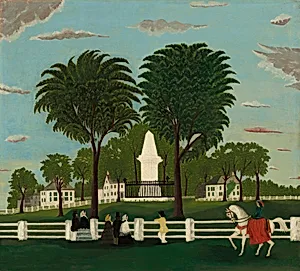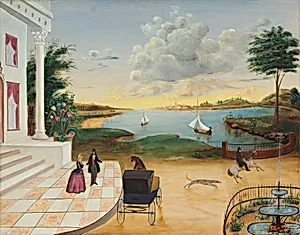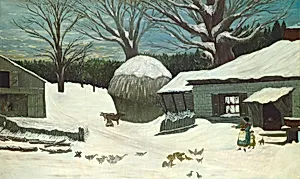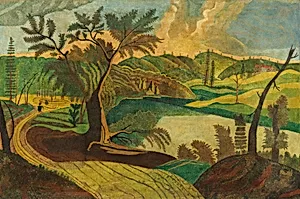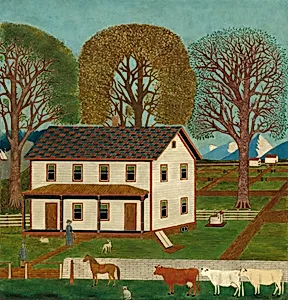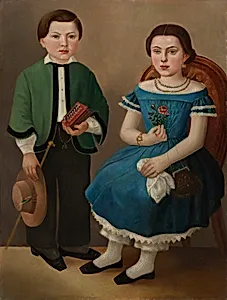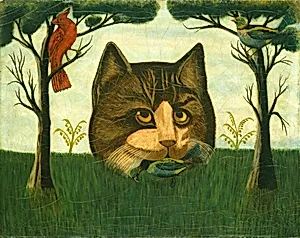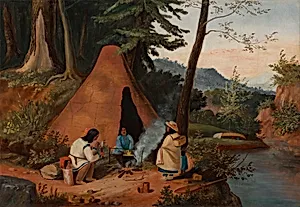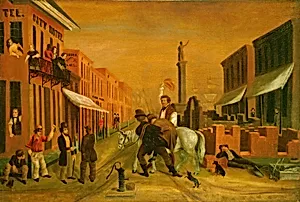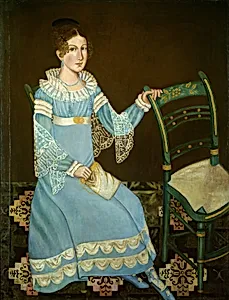
The artist cataloged as "American, 19th Century" represents a collective of unidentified painters active in the United States during the nineteenth century, with 380 known artworks preserved in this virtual museum's collection. These works span a diverse array of genres typical of the era, including portraits, landscapes, still lifes, and genre scenes, reflecting the burgeoning artistic output of a young nation grappling with its identity amid rapid industrialization and westward expansion. Early life details for these creators remain not well documented, as many operated outside major urban centers or formal academies, often as itinerant painters, folk artists, or provincial studio practitioners whose names faded from records.
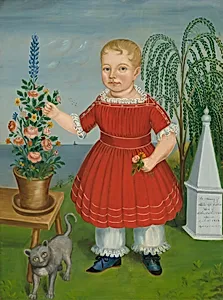
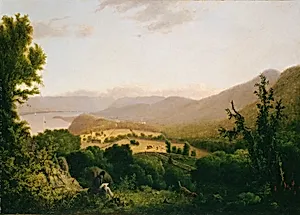
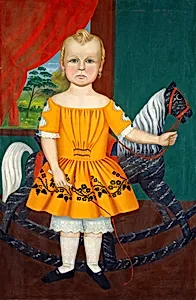
Training and influences for these anonymous figures are similarly elusive, with no specific teachers or mentors identified in historical sources. However, the stylistic hallmarks align with broader American traditions: folk portraiture reminiscent of limners like Ammi Phillips, characterized by flat perspectives, bold colors, and symbolic accessories denoting status; or Hudson River School-inspired landscapes evoking sublime natural vistas, though rendered with less polish than masters like Thomas Cole. Many pieces exhibit naive charm or regional vernacular styles, suggesting self-taught methods or apprenticeships in local workshops rather than elite institutions like the National Academy of Design. Prevalent motifs include family groups, farmsteads, and maritime views, capturing everyday American life from the Early Republic through the Gilded Age.
Major works in the collection highlight this variety, from intimate oil portraits of merchants and farmers—often featuring direct gazes and patterned backgrounds—to watercolor ship portraits documenting coastal commerce and pastoral scenes of the emerging Midwest. Standouts include unsigned oils depicting Revolutionary War veterans or Victorian-era children, which preserve social history where written records fall short. These 380 pieces, though unattributed, offer invaluable glimpses into underrepresented communities, from rural New England to Southern plantations.
The legacy of "American, 19th Century" endures as a testament to democracy in art: accessible, unpretentious creations that democratized portraiture and visual storytelling for the middle class. Rediscovered through museum inventories and auctions, they underscore the depth of vernacular American art, influencing twentieth-century folk revivalists and contemporary interest in outsider aesthetics. Far from mere fillers, these works enrich our understanding of a nation's cultural fabric, proving that even nameless hands shaped enduring visual narratives.