Ctrl K
1598–1688
Occupations
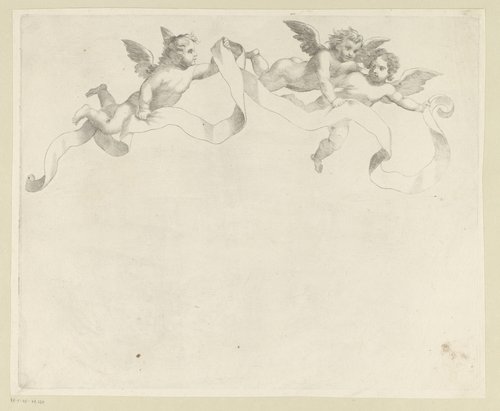
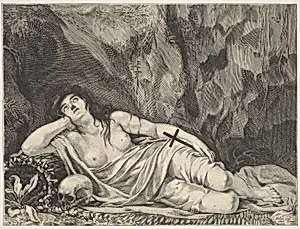
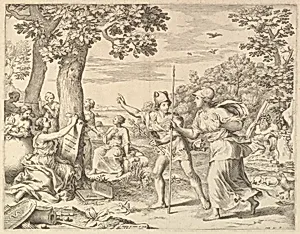
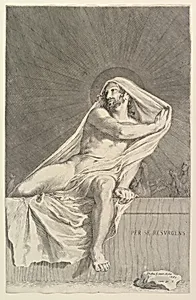
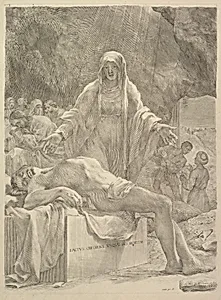
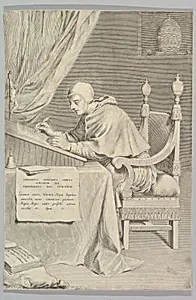
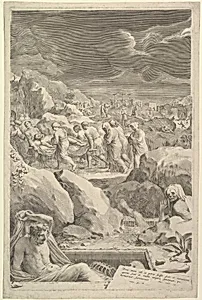
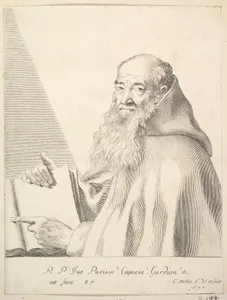
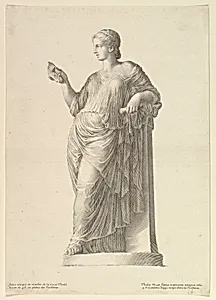
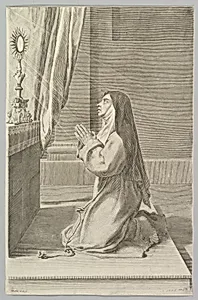
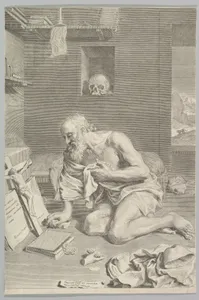
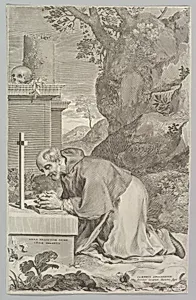
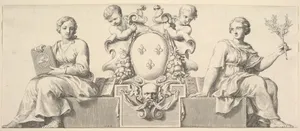
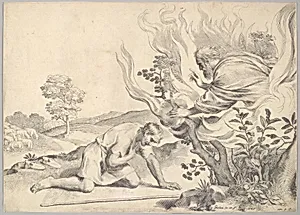
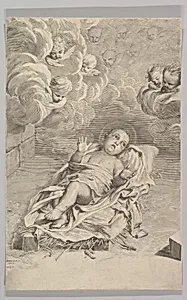
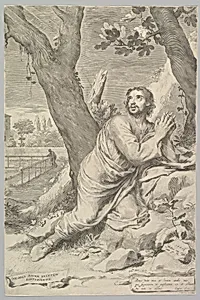
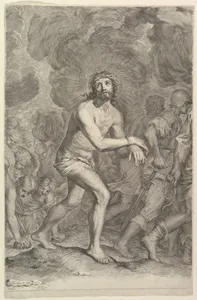
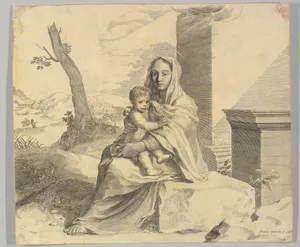
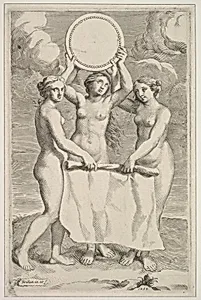
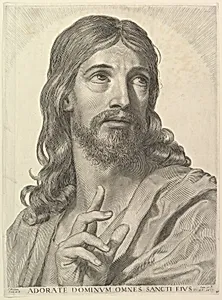
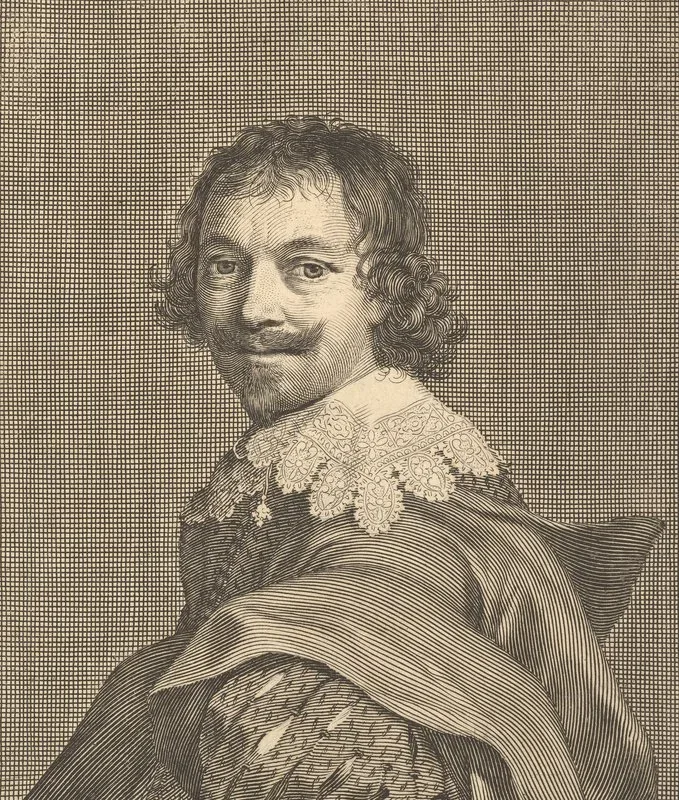
Claude Mellan (1598-1688) was a French draughtsman, engraver, and painter who became one of the most innovative printmakers of the French Baroque period. Born in Abbeville to a family of coppersmiths, Mellan rose to become Peintre et Graveur Ordinaire du Roi (Painter and Engraver in Ordinary to the King), achieving recognition for his extraordinary technical mastery. Mellan's artistic significance lies in his revolutionary approach to engraving technique. He developed an idiosyncratic method of creating tonal gradation using parallel lines rather than traditional cross-hatching, regulating shade by varying the breadth and closeness of his strokes. This innovation culminated in his masterpiece, The Sudarium of Saint Veronica (1649), an engraving created from a single continuous spiraling line starting at the tip of Christ's nose—a feat of technical virtuosity unprecedented in the history of printmaking. His career spanned Rome and Paris, with formative years studying under Francesco Villamena and Simon Vouet in Italy. During his Roman period (1624-1636), Mellan created reproductive engravings of works by Pietro da Cortona and Gianlorenzo Bernini while developing his portrait skills. After returning to Paris via Aix-en-Provence, where he worked with the influential scholar Nicolas-Claude Fabri de Peiresc, Mellan established himself as a leading portrait engraver. Anatole de Montaiglon catalogued approximately 400 engravings by Mellan, with about 100 known drawings surviving primarily in the Stockholm Nationalmuseum and the Hermitage in Saint Petersburg.
Wikidata/Wikimedia Commons