Ctrl K
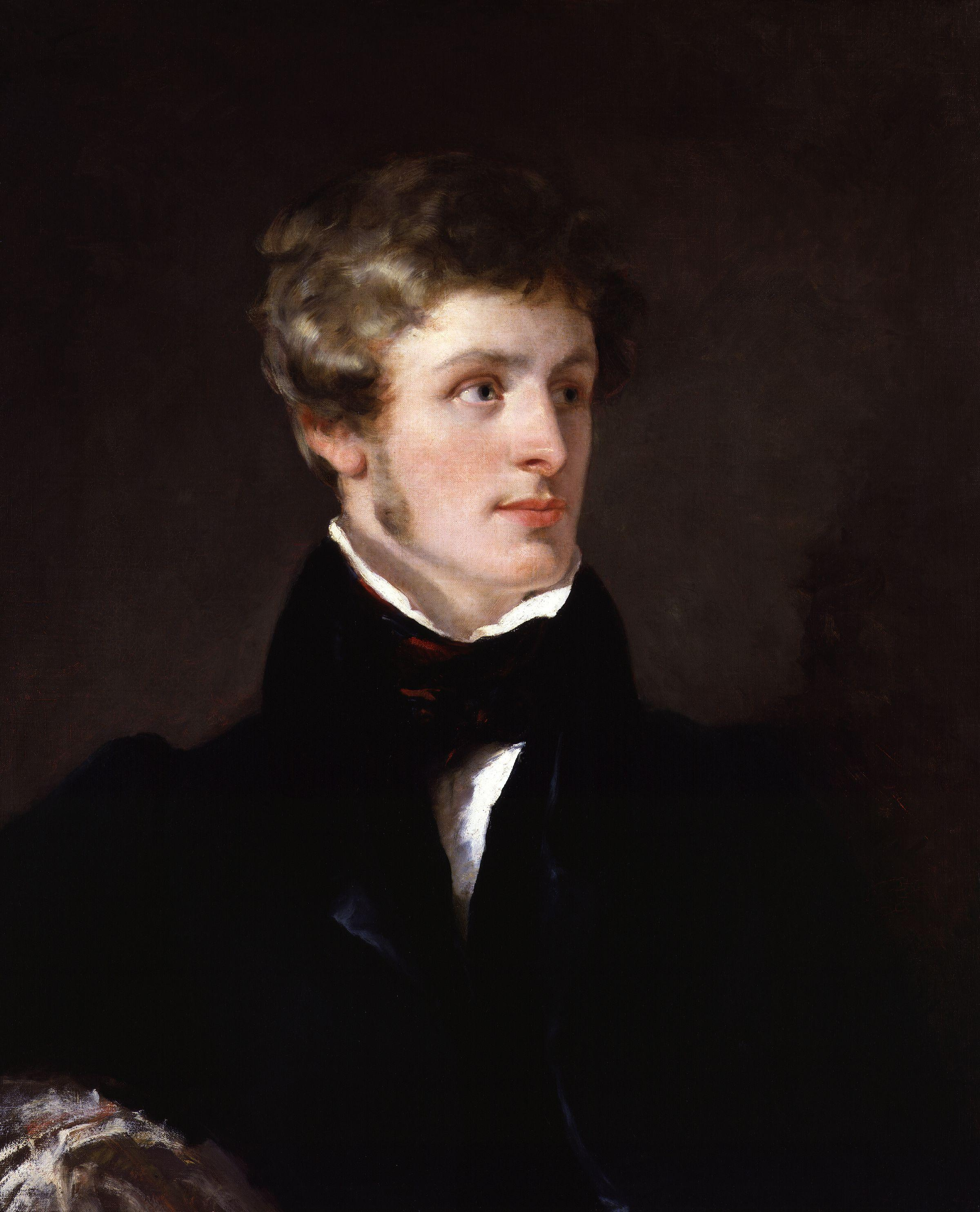
1802–1870
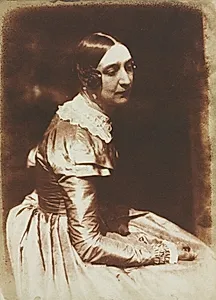
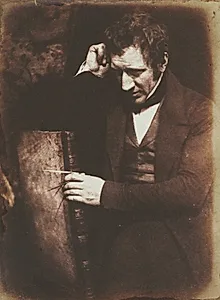
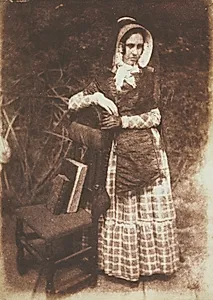
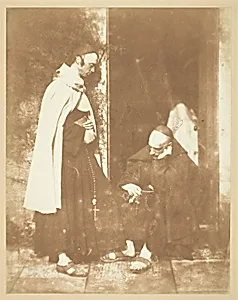
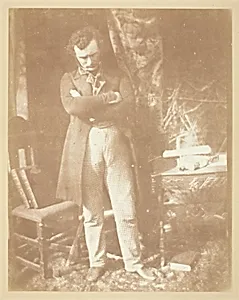
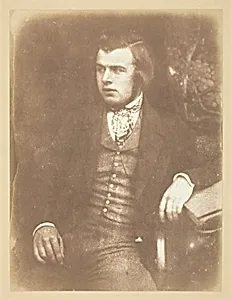
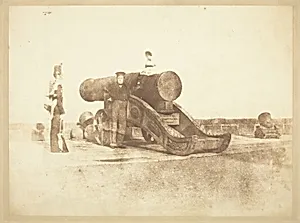
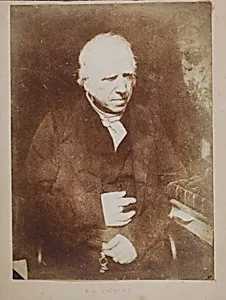
David Octavius Hill (1802–1870) was a Scottish painter, photographer, and arts administrator whose pioneering photography partnership with Robert Adamson from 1843 to 1847 transformed the medium into an art form. Born in Perth and trained in Edinburgh, Hill established himself as a landscape painter and became secretary of the Royal Scottish Academy, a position he held for nearly forty years. His collaboration with Adamson, using the calotype process, produced approximately 3,000 ground-breaking images of Scotland—from portraits of leading Scottish figures to images of Newhaven fishermen and the Scott Monument under construction. Hill's expertise in lighting and composition combined with Adamson's technical mastery created portraits of unprecedented artistic quality. Though Hill also spent twenty-three years completing a monumental painting commemorating the 1843 Disruption of the Church of Scotland, it is his photographic work that secured his lasting legacy as a pioneer of art photography.
Born on May 20, 1802 in Perth, Scotland; his father was a bookseller and publisher who helped re-establish Perth Academy.
Educated at Perth Academy alongside his brothers.
Followed his older brother Alexander to Edinburgh to study at the School of Design.
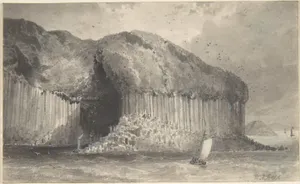
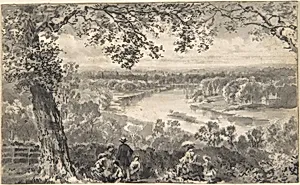
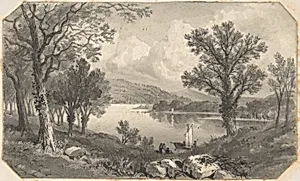
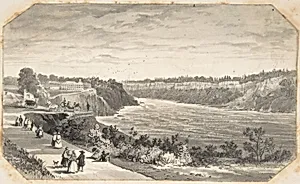
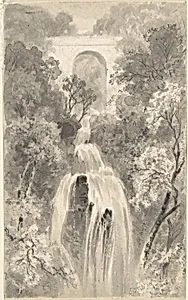
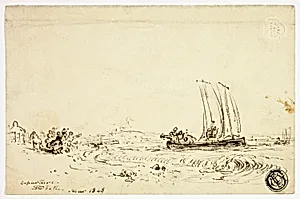
Learned lithography and produced 'Sketches of Scenery in Perthshire,' published as an album of views.
Landscape paintings exhibited at the Institution for the Promotion of the Fine Arts in Scotland.
Among dissatisfied artists who established the Scottish Academy in 1829 with assistance from Henry Cockburn.
Appointed secretary of the Royal Scottish Academy in 1830, a position he held until 1869.
Received salary from the Academy from 1836, enabling his marriage to Ann Macdonald in 1837; Ann died in 1841.
Present at the historic Disruption Assembly in 1843 when over 450 ministers left to found the Free Church of Scotland.
Formed partnership with engineer and photographer Robert Adamson, establishing Rock House studio on Calton Hill, Edinburgh.
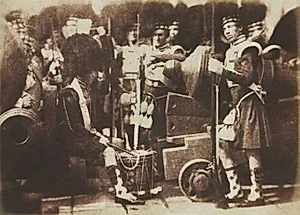
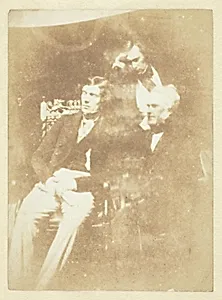
Using the calotype process, produced wide range of portraits of Scottish luminaries while Adamson handled technical processes.
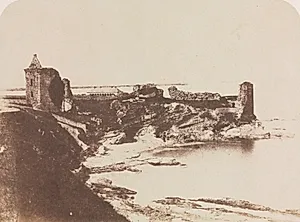
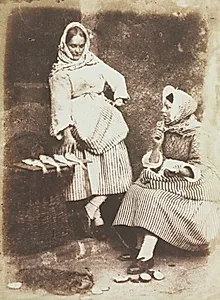
Over five years, the partnership captured approximately 3,000 ground-breaking images, including Newhaven fishermen and Edinburgh landscapes.
Continued work on the Disruption painting after Adamson's death in 1848, finally completing it in 1866.
The Disruption picture received wide acclaim; £1,200 was raised by public subscription to purchase it for the Free Church.
Remarried in 1862 to sculptor Amelia Robertson Hill, resuming photography with less successful results.
Forced by illness to resign as RSA secretary in 1869; died in May 1870 in Edinburgh.
Artheon Research Team
Last updated: 2025-11-28
Biography length: ~780 words
![[Newhaven Fishwives]](https://images.artheonmuseum.org/met/ph/thumb/newhaven-fishwives-282022.webp)