Ctrl K
1828–1906
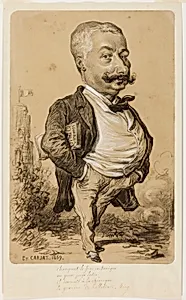
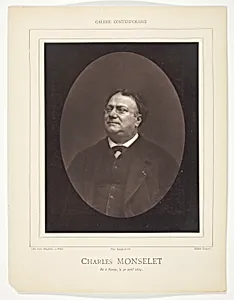
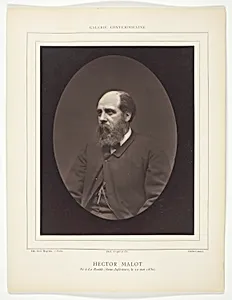
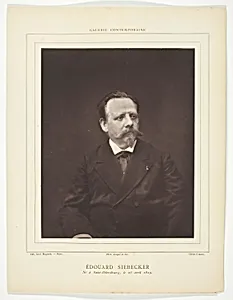
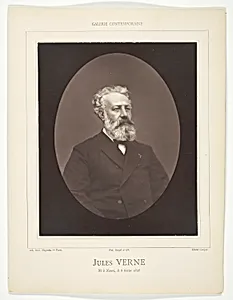
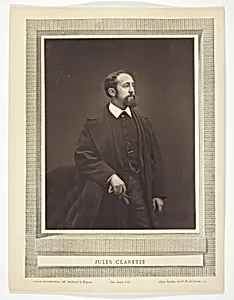
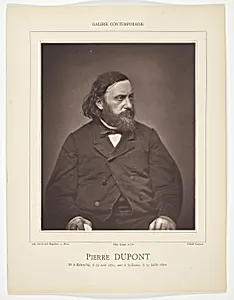
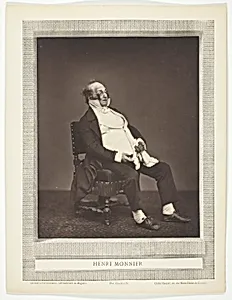
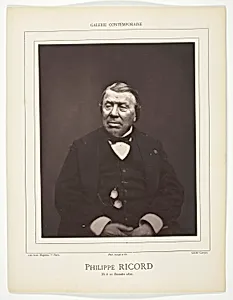
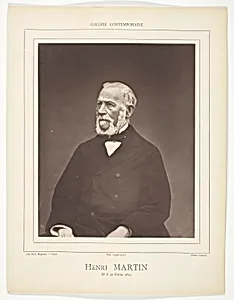
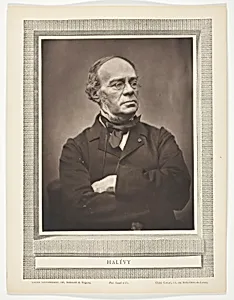
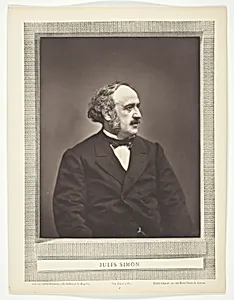
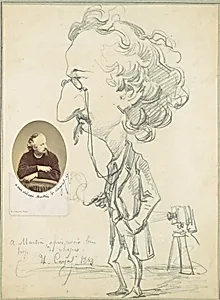
Étienne Carjat (1828–1906) was a French photographer, caricaturist, and journalist who became one of the defining portraitists of nineteenth-century Parisian cultural life. Born in Fareins in the Ain department, he arrived in Paris as a young man and initially made his name as a caricaturist and writer, contributing to several satirical publications and cofounding the journal Le Boulevard in 1861. It was through these literary and artistic circles that he forged the relationships that would make his photographic studio one of the most celebrated gathering places in the city.
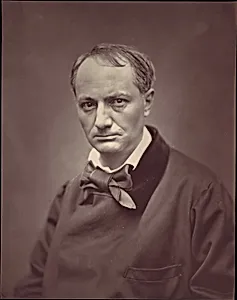
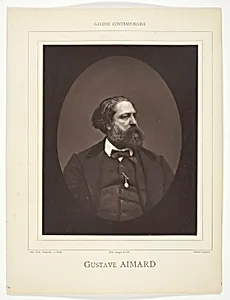
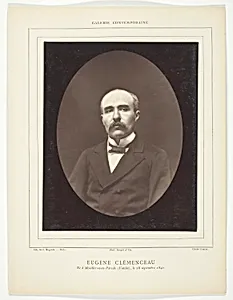
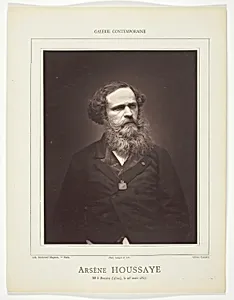
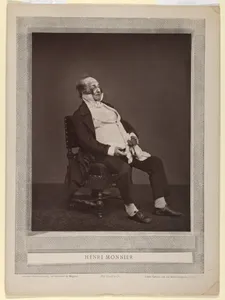
Carjat took up photography in the 1850s and quickly distinguished himself through his ability to capture the psychological depth of his subjects. Working in the tradition of the portrait studio, he used careful lighting and a direct, unidealized approach to reveal character rather than merely record likeness. His subjects read as a who's who of Second Empire and Third Republic France: he photographed writers including Victor Hugo, Charles Baudelaire, and Émile Zola, composers, painters, and political figures. His portrait of Arthur Rimbaud, taken around 1871, is among the most reproduced photographs in the history of French culture — an image of the young poet that has become virtually inseparable from his legend.
Alongside his photographic work, Carjat continued to write and contribute caricatures, and he was deeply embedded in the bohemian intellectual world of the boulevard cafés. His studio served as an informal salon where artists and writers mixed freely.
Carjat's place in photographic history rests primarily on his portraiture, which stands alongside the work of his contemporary Nadar as a supreme expression of the medium's capacity to illuminate human personality. His photographs are held in major collections in France and internationally, and they continue to serve as primary historical documents of nineteenth-century French cultural life.
![[Constant Troyon]](https://images.artheonmuseum.org/met/ph/thumb/constant-troyon-686120.webp)