Ctrl K
1825–1901
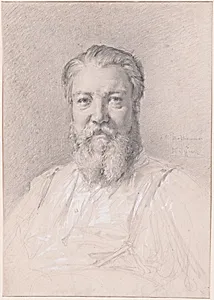
François-Nicolas Chifflart was born on March 21, 1825, in Saint-Omer, France, to Antoine-Omer Chifflart, a skilled locksmith, carver, and engraver who introduced his son to metal engraving while working for tobacco pipe manufacturer Louis Fiolet. From an early age, Chifflart studied at the local municipal school of design before moving to Paris in 1844, where he entered the École des Beaux-Arts and trained under Léon Cogniet, becoming one of his favored pupils. He also received early guidance from Nicolas Renié. His sister, Célonie Sophie, married publisher Alfred Cadart, linking him to the Société des Aquafortistes.
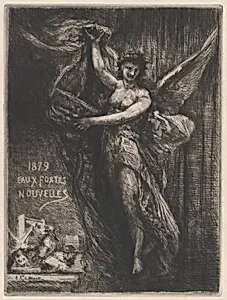
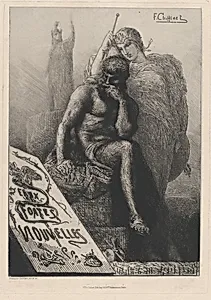
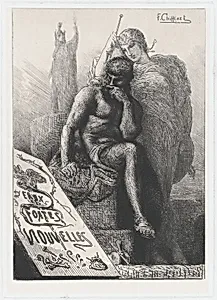
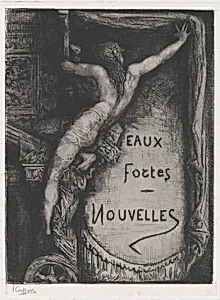
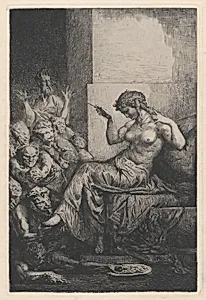
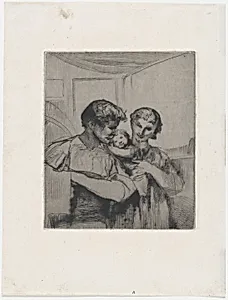
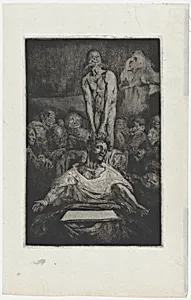
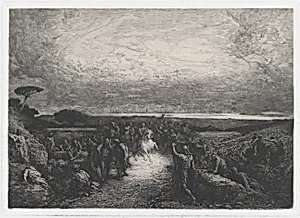
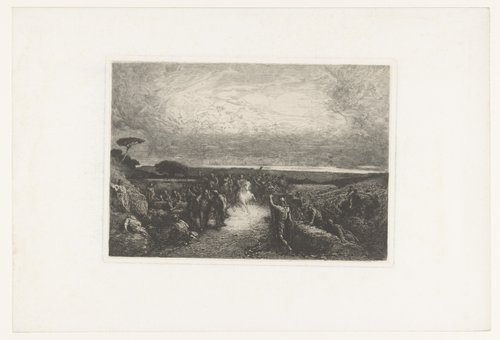
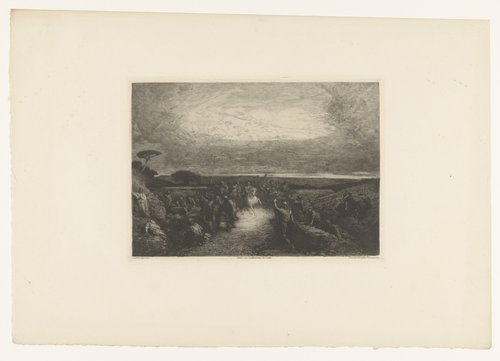
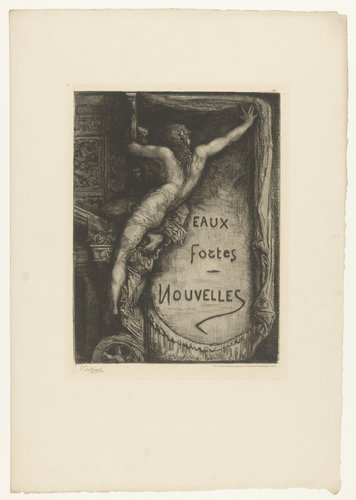
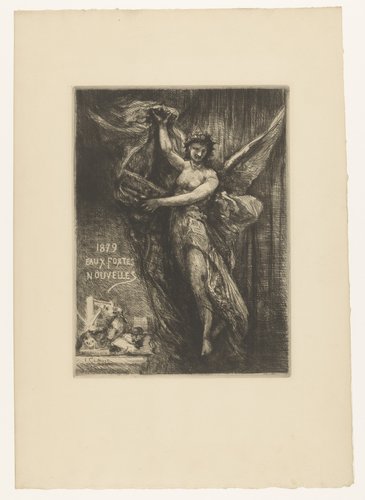
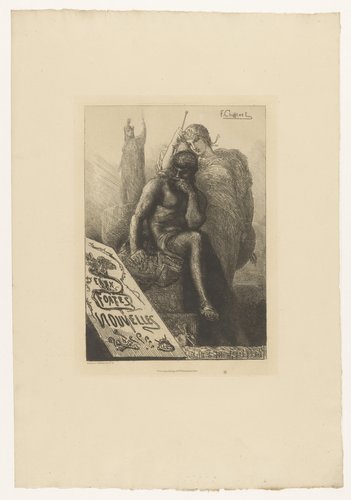
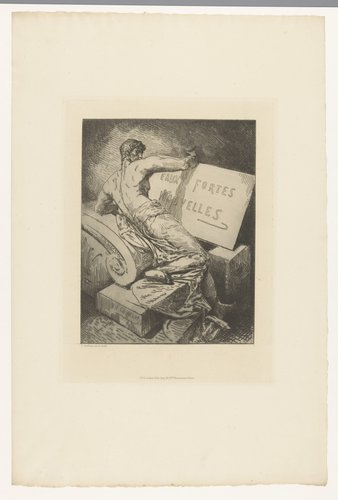
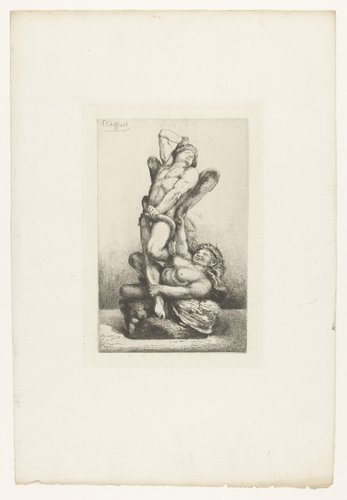
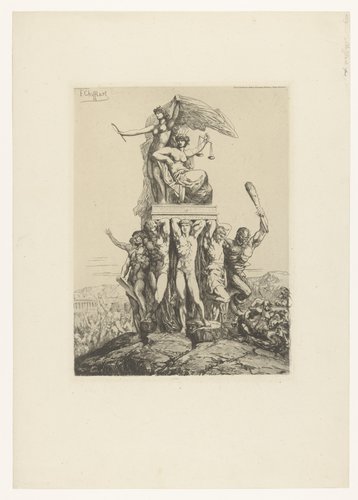
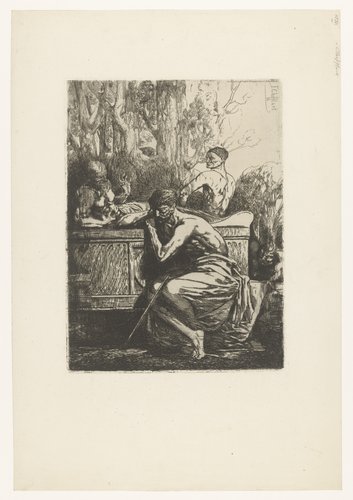
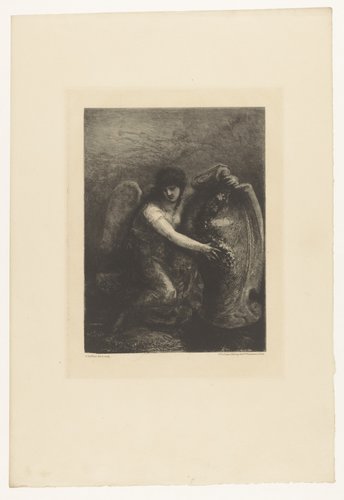
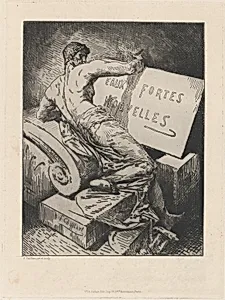
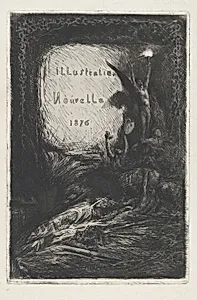
Chifflart's academic prowess shone in the Prix de Rome competitions: he placed third in 1850 with *Zénobie sur les bords de l'Araxe* and won first in 1851 with *Périclès au lit de mort de son fils*, earning a residency at the Académie de France in Rome from 1852 to 1856. Yet, he soon rebelled against rigid Academicism and neoclassicism, embracing etching, drawing, and illustration in a fantastique, powerful style akin to late *romantisme noir*. A founding member of the Société des Aquafortistes, he produced over 200 etchings between 1862 and 1882. His 1859 engravings for *Faust* drew acclaim from Charles Baudelaire and Théophile Gautier for their originality.
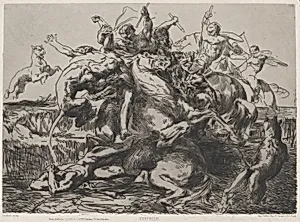
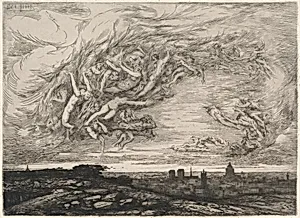
Chifflart's illustrations for Victor Hugo cemented his reputation, including 70 designs for *Les Travailleurs de la Mer* (1869, engraved by Fortuné Méaulle), *Notre-Dame de Paris*, *La Conscience* (1877), and works from *La Légende des siècles*. Standout etchings include *Choléra à Paris* (1865), *Surprise* (1865), and *Portrait de Victor Hugo* (1868). Political criticism of Napoleon III during the Franco-Prussian War cost him patrons, leading to obscurity, though he persisted under the Third Republic. He died in Paris on March 19, 1901. Recent exhibitions, such as at the Maison de Victor Hugo (2024–2025), have revived interest in his subversive genius, with a street in Saint-Omer honoring him.