Ctrl K
1480–1540
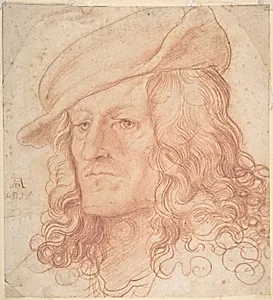
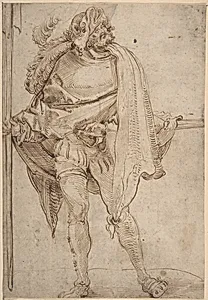
Hans Schäufelein (c. 1480–c. 1540) was a German painter and graphic artist of the Northern Renaissance whose career placed him at the heart of one of the most dynamic artistic environments in European history. As a young man, he entered the workshop of Albrecht Dürer in Nuremberg, an experience that proved decisive: Dürer's meticulous approach to draughtsmanship, his mastery of printmaking, and his synthesis of Italian Renaissance ideas with Northern Gothic tradition all left visible marks on Schäufelein's subsequent development. He worked alongside other talented artists in Dürer's circle and absorbed the master's lessons thoroughly.
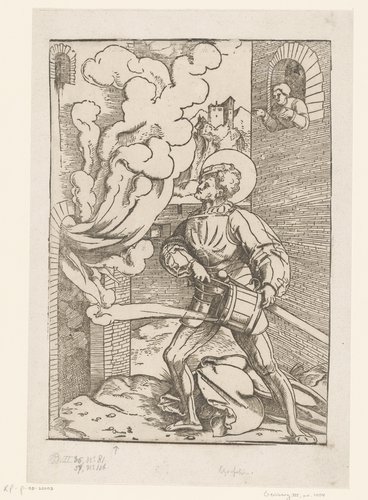
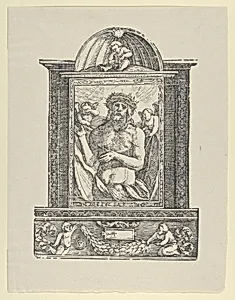
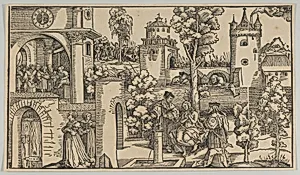
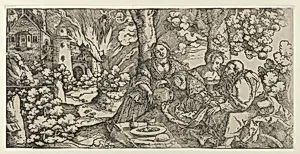
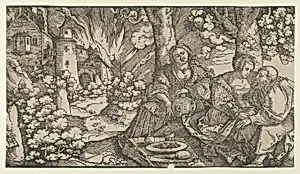
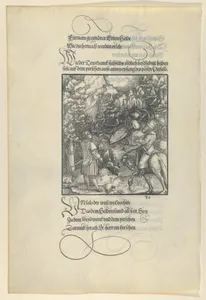
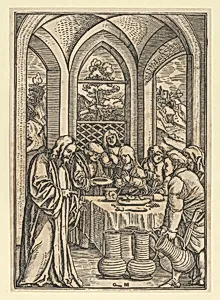
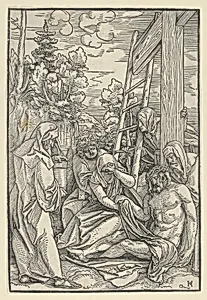
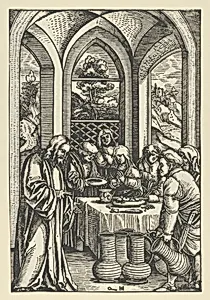
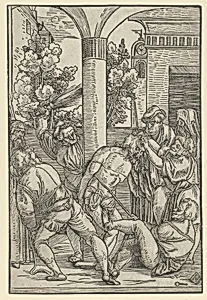
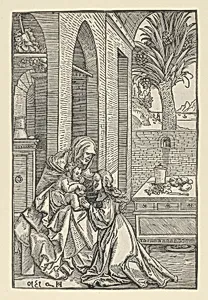
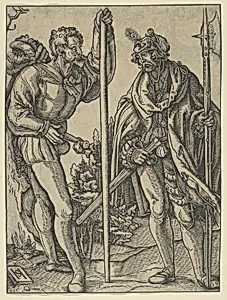
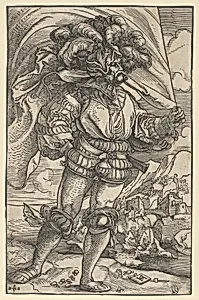
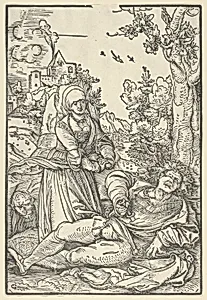
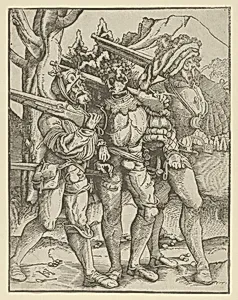
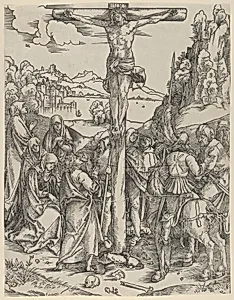
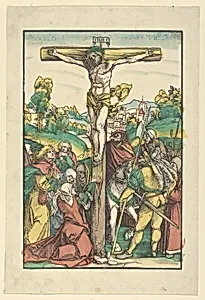
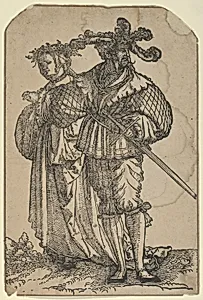
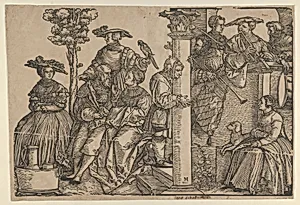
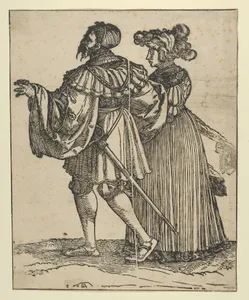
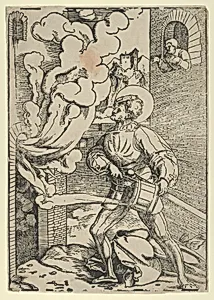
Schäufelein's graphic work — woodcuts in particular — formed the most widely disseminated part of his output. He contributed illustrations to several major publishing projects of the early sixteenth century, including the ambitious programs associated with Emperor Maximilian I, which aimed to glorify the Habsburg dynasty through printed imagery on an unprecedented scale. His woodcuts display a confident, energetic line and a storytelling directness well suited to the devotional and commemorative purposes they served. He was a prolific designer for the press at a moment when printed images were transforming European visual culture.
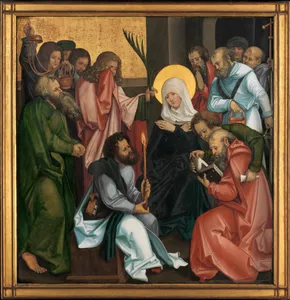
As a painter, Schäufelein produced altarpieces and devotional panels for churches and patrons in Augsburg and the surrounding Swabian region, where he settled after leaving Nuremberg. His painted style, while indebted to Dürer, shows its own qualities — a certain robust physicality in figure types, vivid narrative energy, and a coloristic warmth that reflects the Augsburg milieu in which he spent much of his mature career.
Though Schäufelein has never achieved the fame of his master Dürer or of contemporaries such as Lucas Cranach the Elder, he is recognized by specialists as a significant and productive figure in early sixteenth-century German art. His career illustrates the central role of the workshop system and the print trade in spreading Renaissance ideas across the German-speaking lands.