Ctrl K
1510–1585
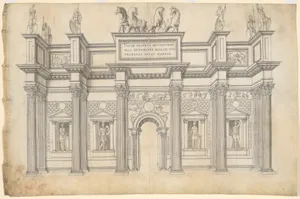
Jacques I Androuet du Cerceau (c. 1510–1584), born in Paris to a wine merchant, emerged as a pivotal figure in introducing Renaissance architecture to France through his innovative designs and engravings. Trained as an architect, decorator, and engraver, he established a printshop in Orléans around 1549, where he began producing influential suites of engravings, starting with triumphal arches. His early career flourished in the Loire Valley, including Tours and Orléans, and by 1546 he served as architect to Marguerite d’Angoulême, King François I’s sister, overseeing temporary structures for Henri II’s 1551 entry into Orléans. Collaborating with contemporaries like Pierre Lescot, Philibert Delorme, and Jean Bullant, du Cerceau blended French Gothic traditions with Italian Renaissance motifs, contributing to the Northern Mannerist style that captivated Antwerp's luxury craftsmen.
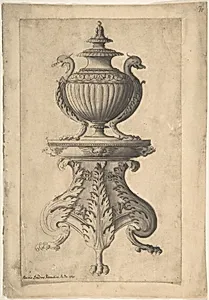
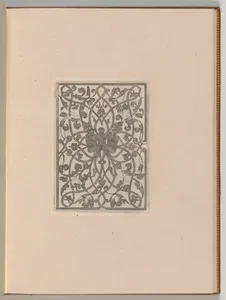
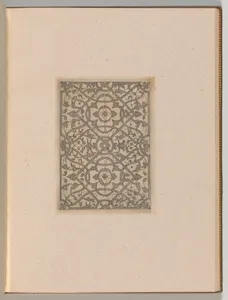
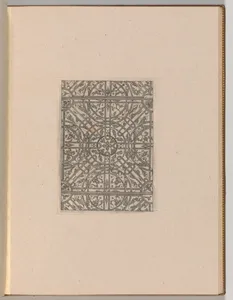
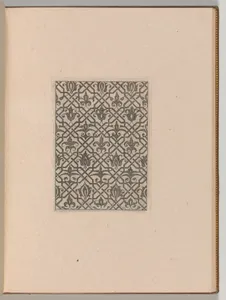
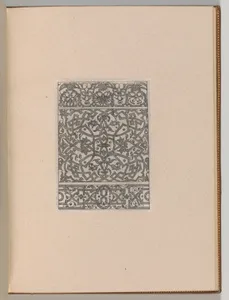
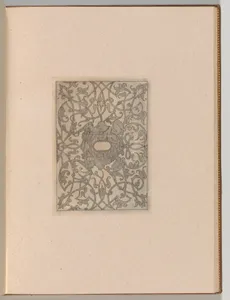
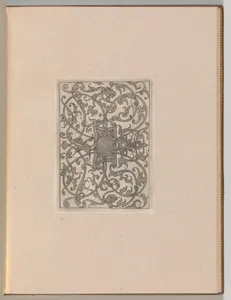
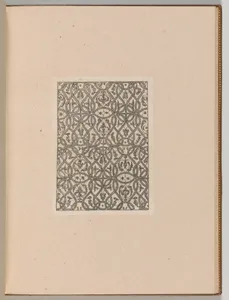
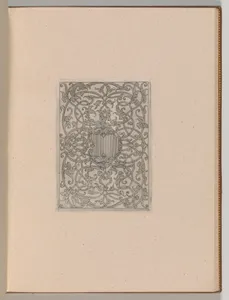
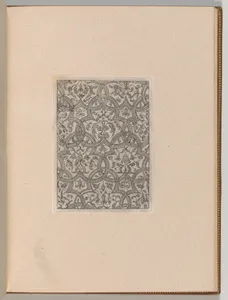
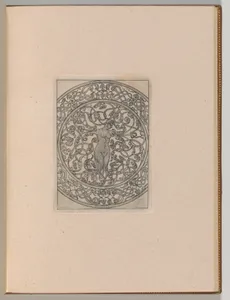
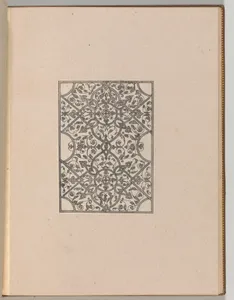
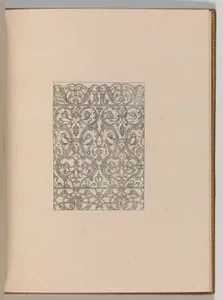
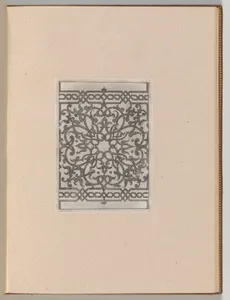
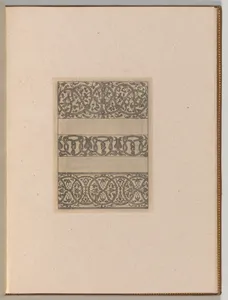
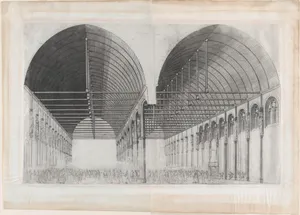
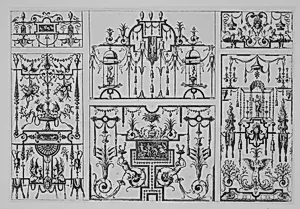
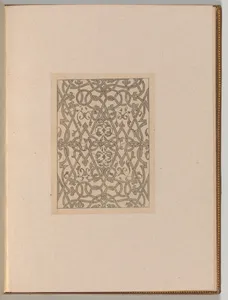
Du Cerceau's masterpieces were his lavishly illustrated books, which documented and fantasized architectural splendor. His *Livre d'architecture* (1559), dedicated to Henri II, showcased townhouse models and ornamental details, followed by the *Second Livre d'architecture* (1561) on decorative elements and the *Livre des grotesques* (c. 1556). The crowning achievement, *Les Plus Excellents Bastiments de France* (1576–1579, two volumes dedicated to Catherine de’ Medici), featured precise engravings of châteaux like Montargis and bird’s-eye views of their gardens, preserving lost Renaissance gems. He also designed the Château de Verneuil and collaborated with his son Baptiste on Charles IX’s Château de Charleval (demolished), alongside fanciful furniture, chimneypieces, and arabesques signed with his ring emblem ("Cerceau").
A Huguenot sympathizer amid the French Wars of Religion, du Cerceau sought refuge in 1569 at Renée de France’s Montargis stronghold before returning to Paris in the 1570s for royal commissions. Founder of the Androuet du Cerceau dynasty—siring Baptiste, Jacques II, and others—he refused Catholic conversion despite loyalties to the crown, dying in Annecy (or Paris/Montargis). His engravings profoundly shaped Mannerist design, inspiring 19th-century "Henri II" furniture revivals and 20th-century restorations like Villandry’s parterres, cementing his legacy as France’s premier architectural draftsman.