Ctrl K
1542–1600
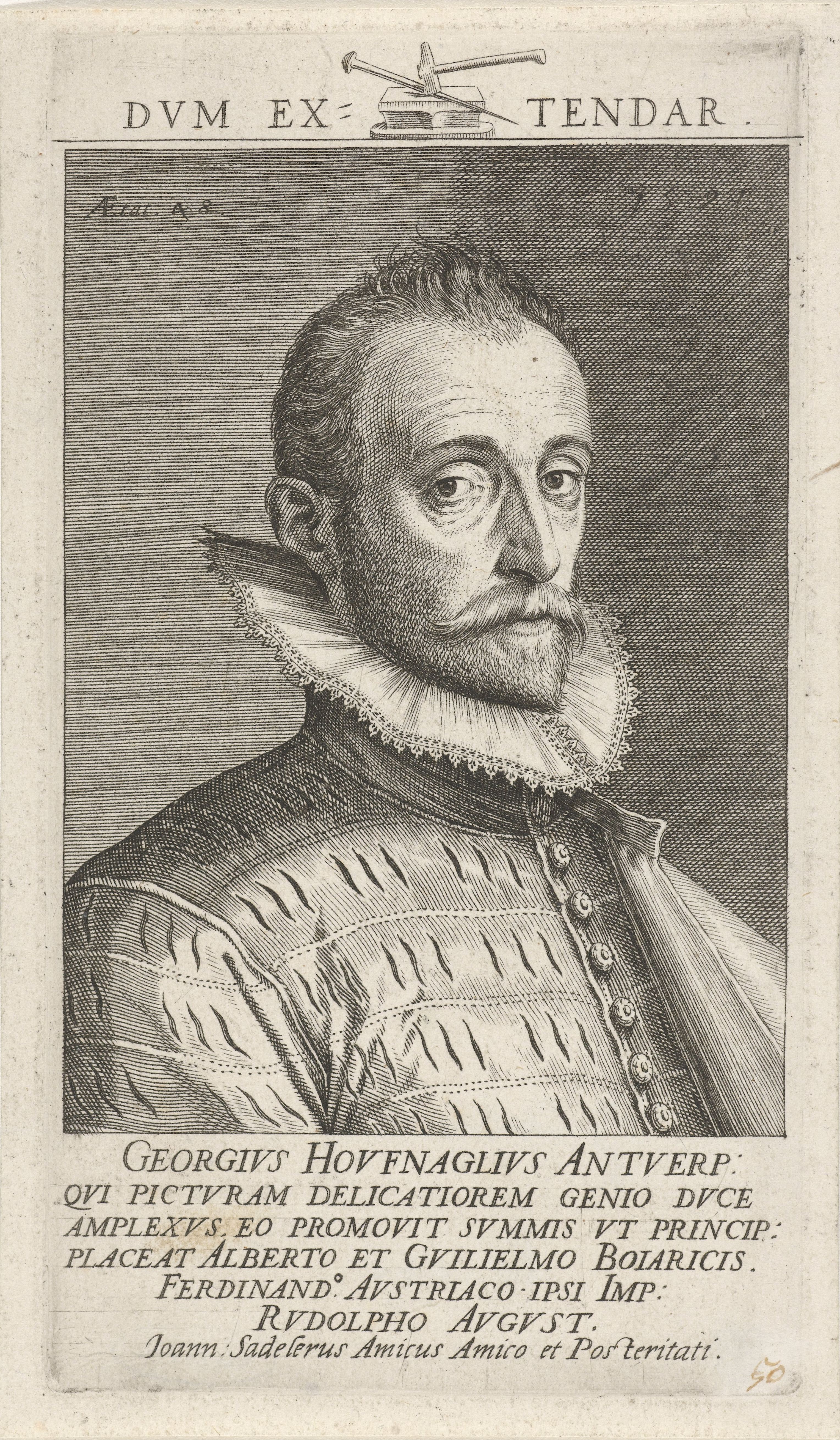
Joris Hoefnagel, also known as Georg Hoefnagel, was born in 1542 in Antwerp to Jacob Hoefnagel, a prosperous diamond and luxury goods dealer, and Elisabeth Vezelaer, daughter of the Antwerp mint master. Intended for the family trade, he received a humanistic education, mastering languages, poetry, and music, but pursued art as a self-taught draftsman and miniaturist, receiving his first lessons from Hans Bol around 1570–1576. Extensive travels shaped his early career: studying in France (1560–1562), sketching in Spain (1563–1567), drawing English palaces like Nonsuch and Windsor in 1568, and journeying with Abraham Ortelius through Germany, Italy, and beyond in 1577. Married to Suzanne van Onchem in 1571, he fathered artist son Jacob in 1573 and collaborated with him later.
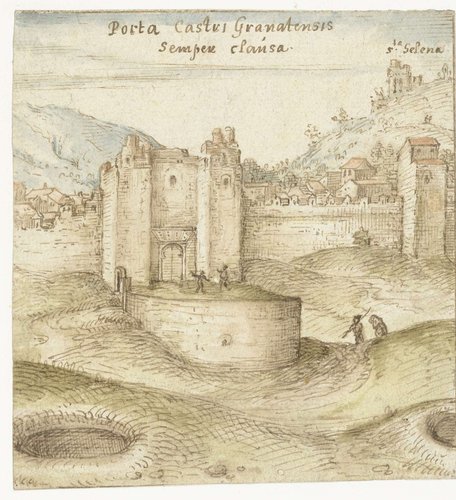
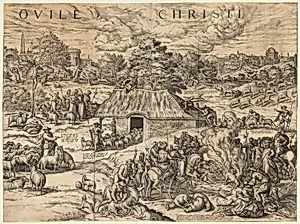
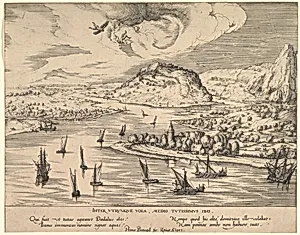
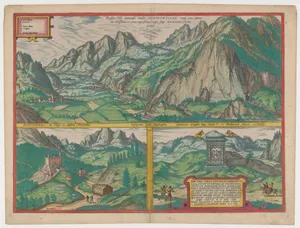
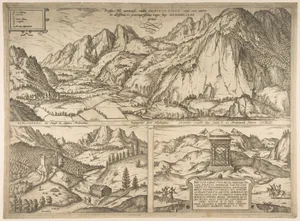
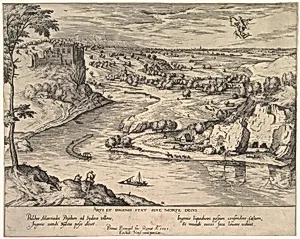
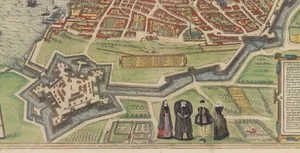
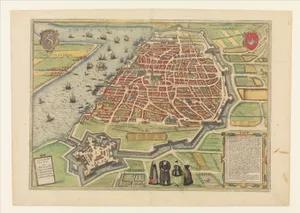
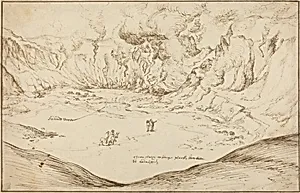
Hoefnagel's peripatetic life led to illustrious patronage. Recommended by Hans Fugger, he served as court painter to Dukes Albert V and William V of Bavaria in Munich (c. 1579–1591), Archduke Ferdinand II in Innsbruck, and Emperor Rudolf II in Vienna and Prague from the 1590s until his death in 1601. Amid religious upheavals as a Calvinist, he fled Antwerp after its 1576 sack and Munich's Catholic demands, working in Frankfurt's humanist circles. His topographical views fueled engravings in Ortelius's *Theatrum orbis terrarum* (1570) and Braun's *Civitates orbis terrarum* (1572–1618).
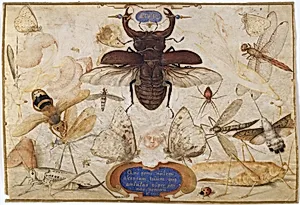
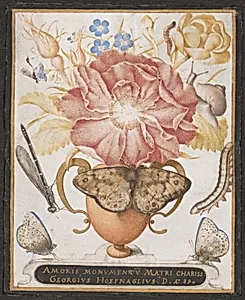
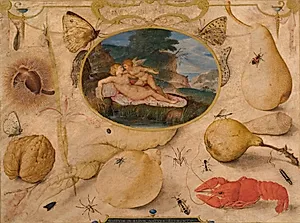
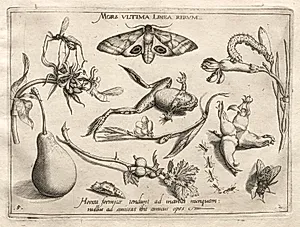
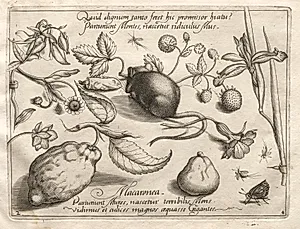
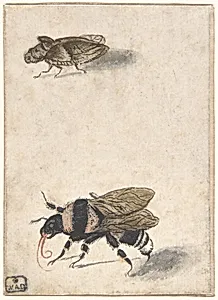
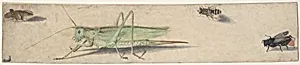
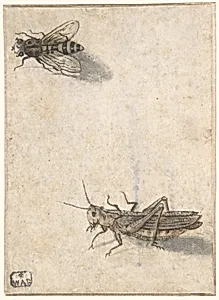
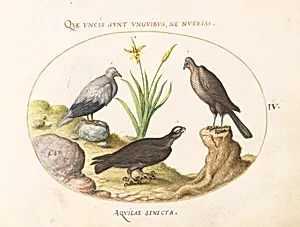
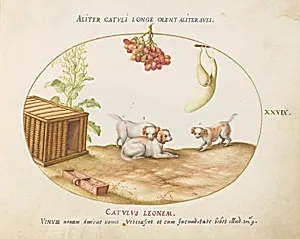
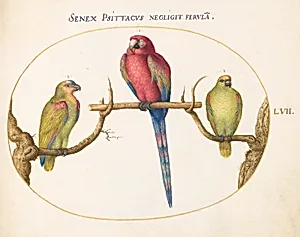
Working in the Flemish miniature tradition of Ghent-Bruges illuminations, Hoefnagel blended near-scientific naturalism with Mannerist fantasy, emphasizing trompe-l'œil effects, precise details, and his motto *natura magistra* (nature as teacher). Masterpieces include marginal illuminations for the *Book of Hours of Philippe de Croÿ* (late 1570s–early 1580s); nature studies for the Tridentine Missal (1581–1590); the four-volume *Animalia* series (*Four Elements*, 1575–1582) depicting creatures by element; illuminations for Georg Bocskay's *Mira calligraphiae monumenta* (c. 1591–1594) and *Schriftmusterbuch* (1591–1594); and *Archetypa studiaque patris Georgii Hoefnagelii* (1592), 48 engravings of flora and fauna by son Jacob after his designs. At the National Gallery of Art, works like *Plate 57: Scarlet Macaw with Two Smaller Green Parrots* (1576) showcase his jewel-like precision.
As the last great Flemish manuscript illuminator, Hoefnagel pioneered independent floral still lifes and proto-scientific natural history illustration, influencing 17th-century Netherlandish realism and bridging art with emerging empiricism.