Ctrl K
1837–1880
**Jules-Ferdinand Jacquemart: Master Etcher and Watercolorist**
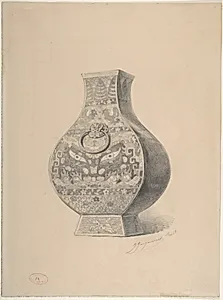
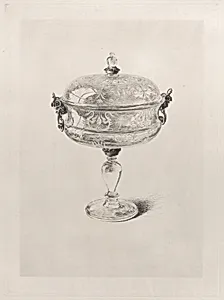
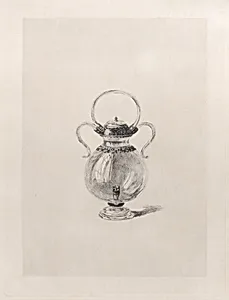
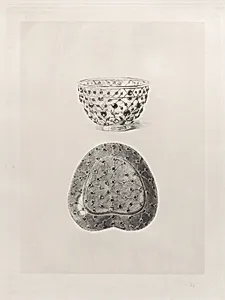
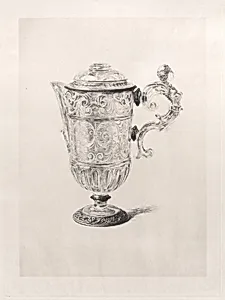
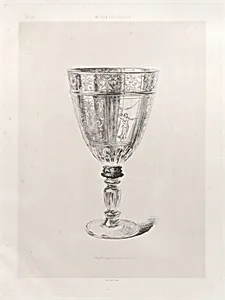
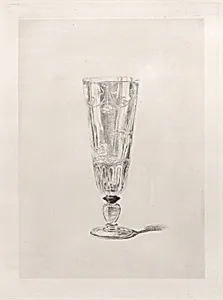
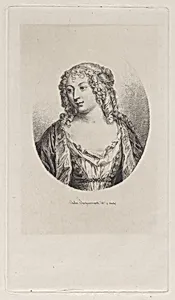
Jules-Ferdinand Jacquemart was born on September 7, 1837, in Paris to Albert Jacquemart, a prominent art collector, ceramics historian, and amateur artist, and Louise Émilie Labbé. The third of four children, he received his initial training in etching from his father, who had no formal master himself and emphasized self-taught precision in rendering materials like porcelain. Beginning with industrial designs for wallpapers and carpets, Jacquemart quickly advanced, illustrating his father's seminal works such as *Histoire artistique industrielle et commerciale de la porcelaine* (1862) and contributing to the *Gazette des beaux-arts* from 1859. A founding member of the Société des Aquafortistes in 1862, he worked in the etching tradition, excelling in reproductive prints that captured the texture and brilliance of art objects with virtuosic detail.
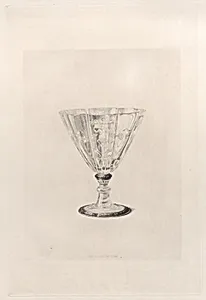
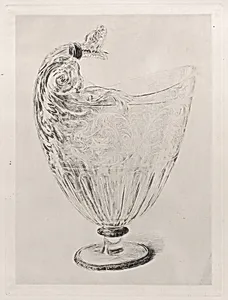
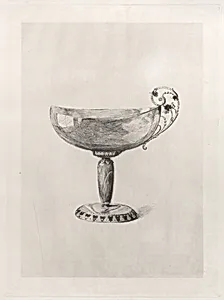
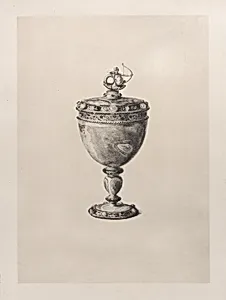
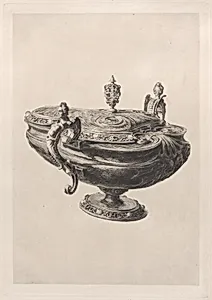
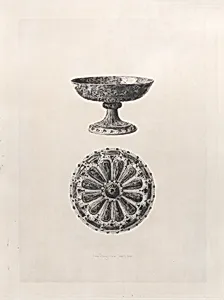
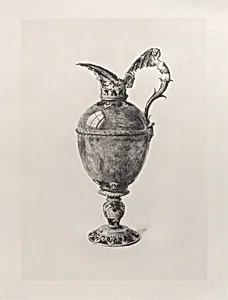
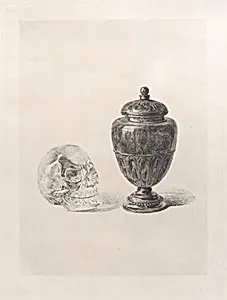
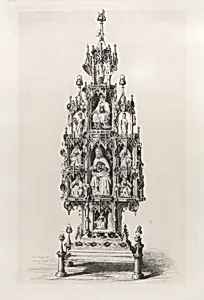
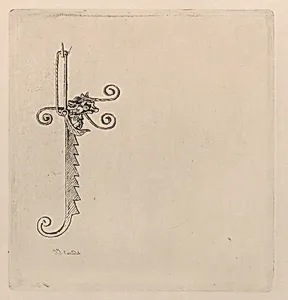
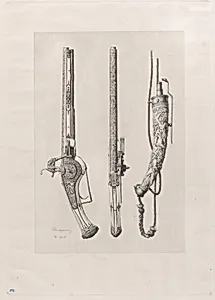
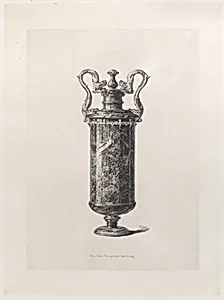
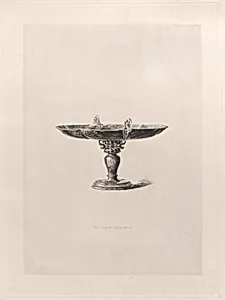
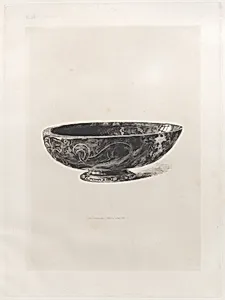
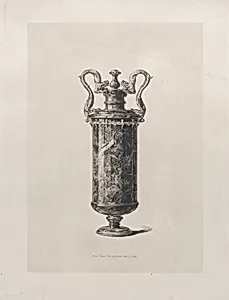
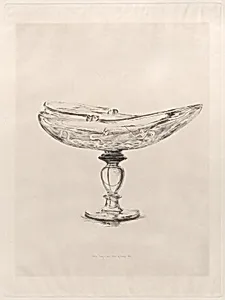
Jacquemart's oeuvre spans meticulous etchings and luminous watercolors, reflecting his passion for Japonisme—he co-founded a society with Philippe Burty, Henri Fantin-Latour, and Félix Bracquemond to study Japanese art. Major series include 60 etchings for *Les Gemmes et joyaux de la Couronne* (1864–1868, after Louvre treasures like François I's sword), 200 for *Histoire du mobilier* (1876), and commissions for the Metropolitan Museum of Art (1871), such as *Officer and Laughing Girl* after Vermeer (1866). He earned Salon medals (1864, 1866, 1867), the Légion d'honneur (1869), and illustrated *The Medallic History of the United States* (1878). His adversarial stance toward photography spurred etchers to greater emulation, as noted by contemporaries.
Afflicted with tuberculosis from 1873, Jacquemart wintered in Menton, shifting to watercolors that fixed "light on paper," including *Les Platanes en Hiver, Route de Nice* (1879) and landscapes like *Paysage du Midi* (1880). A founding member of the Société d'aquarellistes français (1879), he died on September 27, 1880, in Paris at age 43, buried with his father at Père-Lachaise. His legacy endures in museums worldwide—the Louvre holds numerous watercolors and portraits, such as of his sister Marie Augustine—celebrating his dual mastery of precise reproductive etching and evocative personal scenes. An avid collector of Japanese prints, Asian curios, and even 310 pairs of shoes (now at Musée de Cluny), Jacquemart bridged 19th-century art historical documentation with innovative printmaking.