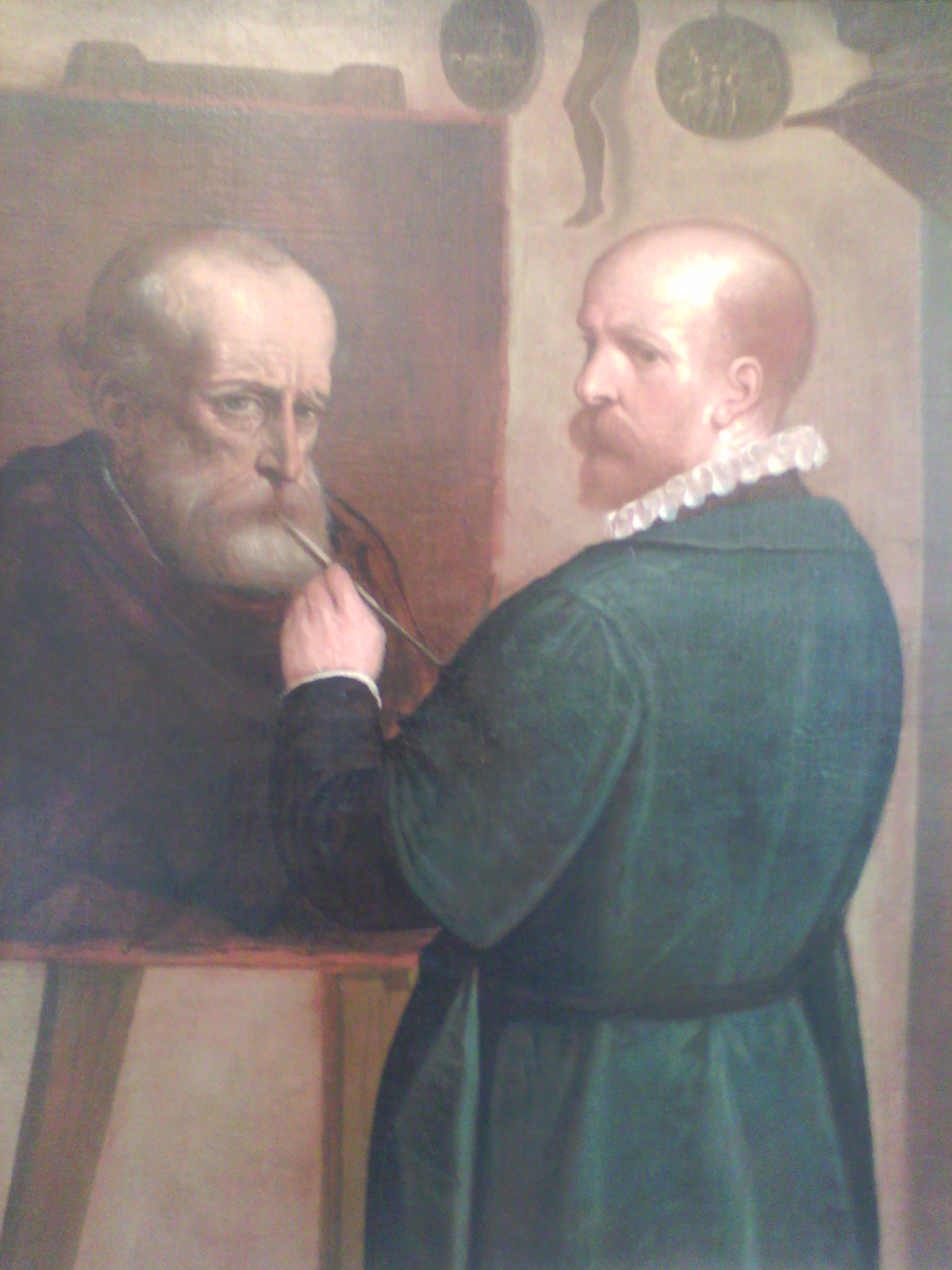
1527–1585
Luca Cambiaso (1527–1585) was an Italian painter and draftsman who dominated artistic life in Genoa during the second half of the sixteenth century and became one of the most innovative draftsmen of the Late Renaissance. Born in Moneglia near Genoa, he trained under his father, the painter Giovanni Cambiaso, and demonstrated precocious talent, reportedly completing his first public fresco commission at the age of fifteen.
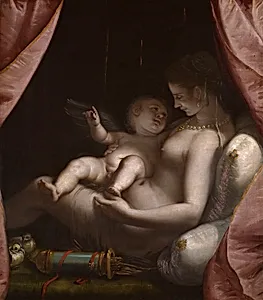
Cambiaso developed a dynamic, energetic painting style that synthesized influences from Michelangelo, Correggio, and Beccafumi into a distinctive Genoese idiom. He was enormously productive as a fresco painter, decorating numerous churches, palaces, and villas in and around Genoa, including major cycles in the Palazzo della Meridiana and the church of San Matteo. His religious paintings are characterized by dramatic foreshortening, vigorous movement, and a luminous palette.
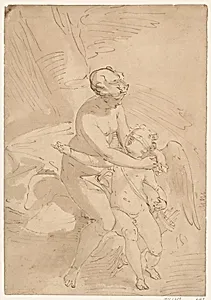
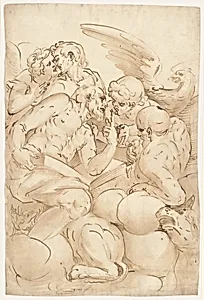
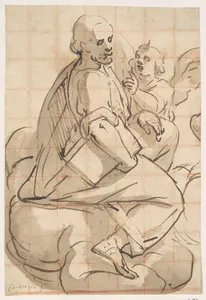
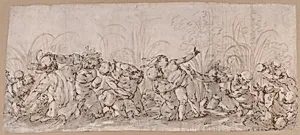
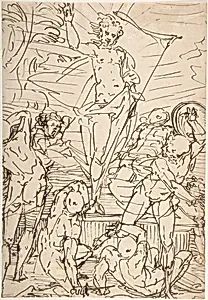
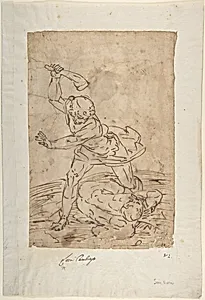
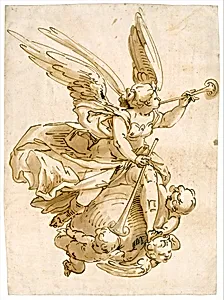
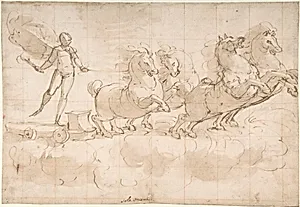
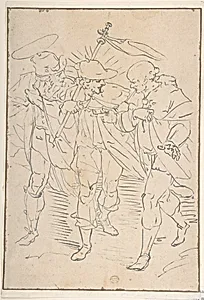
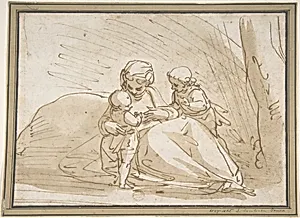
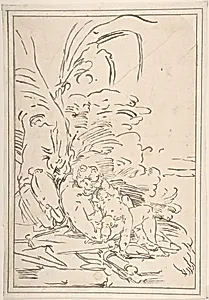
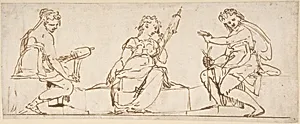
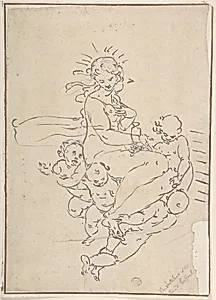
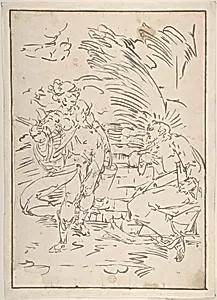
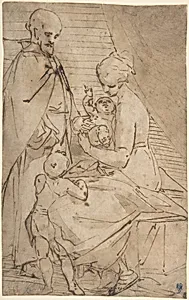
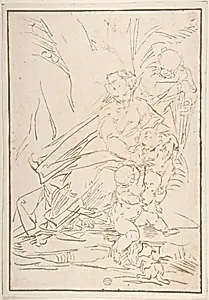
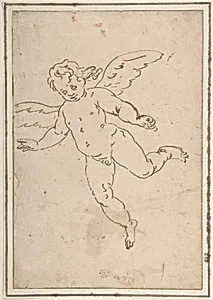
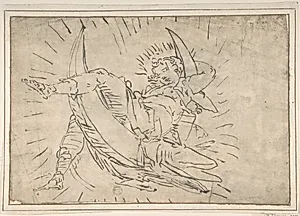
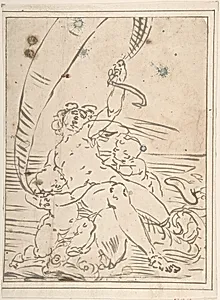
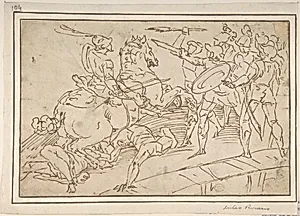
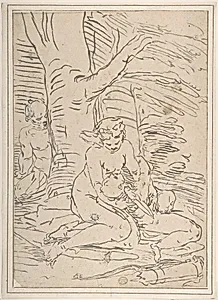
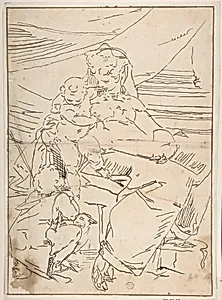
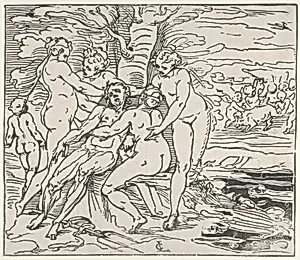
Cambiaso's most remarkable contribution may be his drawings, which are among the most distinctive in Italian art. He developed a unique method of reducing the human figure to geometric, block-like forms — essentially cubic abstractions — that has fascinated art historians and has been compared to Cubism nearly four centuries avant la lettre. These "cubic figures," rendered in rapid pen strokes, were working studies for his compositions but possess an independent aesthetic power that feels strikingly modern.
In 1583, Cambiaso accepted an invitation from Philip II to work at the Escorial in Spain, where he spent his final years painting religious subjects for the royal monastery. He died in Madrid in 1585. His paintings and drawings are held by the Palazzo Bianco and Palazzo Rosso in Genoa, the Uffizi, the Louvre, the British Museum, and the Metropolitan Museum of Art.