Ctrl K
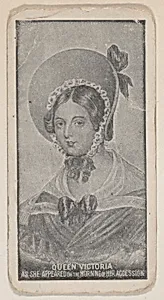
1819–1901
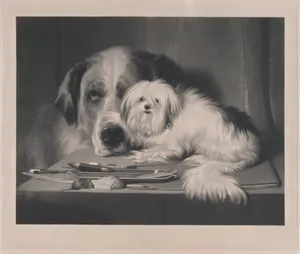
Queen Victoria (1819–1901), the long-reigning British monarch, was also a dedicated and prolific artist whose creative output spanned more than six decades. Born Alexandrina Victoria, she received her first formal drawing lesson at the age of eight from the artist Richard Westall and continued her training under leading figures of the day, including Edward Lear. She later studied etching alongside Prince Albert, guided by George Hayter and Edwin Landseer, and experimented with lithography under Edwin Dalton. These lessons transformed drawing and painting from royal accomplishments into a lifelong passion that she pursued daily for personal enjoyment.
Her artistic practice centered on intimate, observational works rather than grand public commissions. Victoria produced thousands of drawings, watercolors, etchings, and lithographs, capturing family portraits, domestic scenes, theatrical performances, and landscapes from her travels across Britain and Europe. Her 56 surviving sketchbooks in the Royal Collection offer a vivid, firsthand chronicle of Victorian court life, royal residences, and personal milestones. A notable early example is her self-portrait of 1832, executed while she was still a teenager. Working primarily in a precise yet expressive academic style suited to an amateur royal practitioner, she favored delicate line work and subtle color in her watercolors alongside the tonal richness of her ink sketches.
Although she never exhibited publicly or pursued professional recognition, Victoria’s output was substantial: the Royal Collection alone preserves more than 4,000 of her works created between 1828 and 1892, when failing eyesight curtailed her activity. She and Prince Albert privately printed their etchings, often exchanging them as gifts. Today her drawings and sketchbooks serve as invaluable historical documents, illuminating the private world behind the public throne. Her legacy as an artist endures through these personal records, which continue to enrich our understanding of 19th-century royal life and demonstrate how artistic practice formed an essential part of her daily existence.