Ctrl K
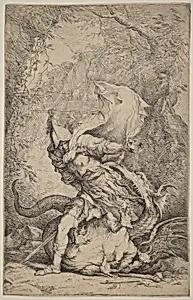
1615–1673
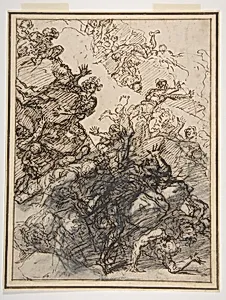
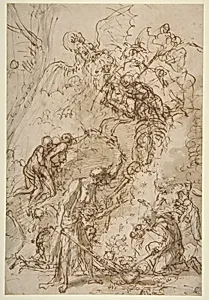
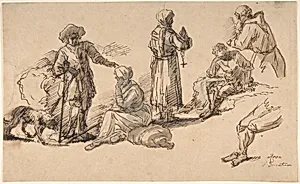
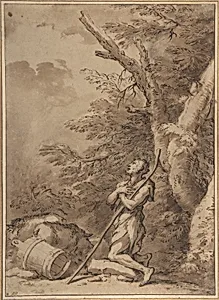
Salvator Rosa was born in 1615 in Arenella, on the outskirts of Naples, into a world of artistic ambition and turbulent talent. His early training came through his maternal uncle, the painter Paolo Greco, and his brother-in-law Francesco Fracanzano, himself a pupil of the great Spanish-born Neapolitan master Jusepe de Ribera. Rosa showed a fierce independence from the start, resisting his father's wishes for him to enter the clergy and instead immersing himself in painting, poetry, music, and satire. His caustic wit and sharp tongue would follow him throughout his career, occasionally forcing him to move between Naples, Rome, and Florence to escape the enemies his writings and performances earned him.
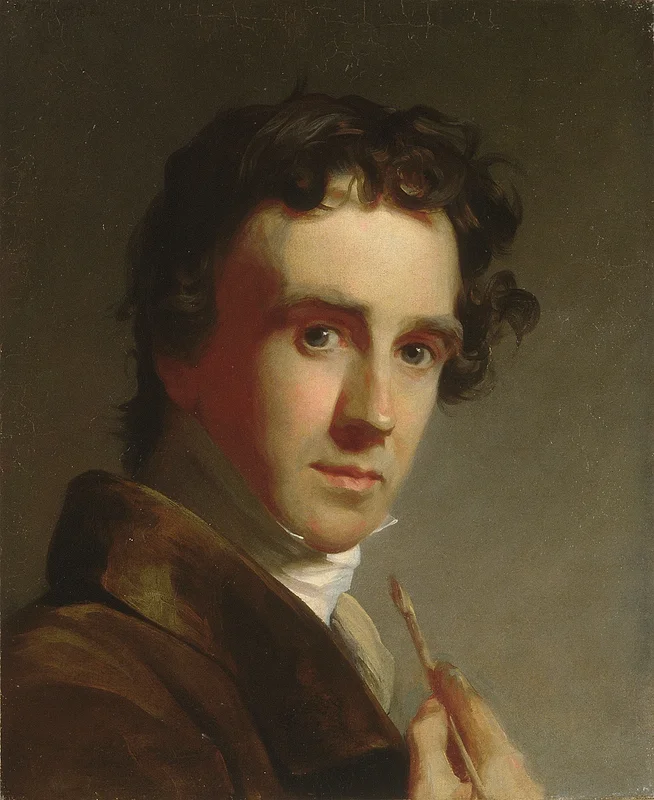
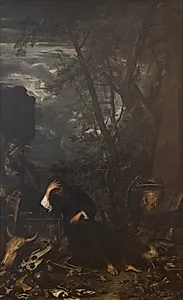
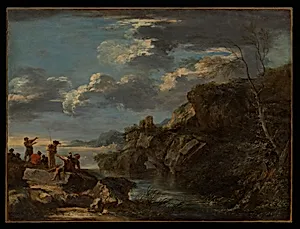
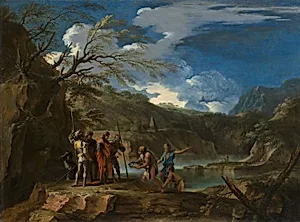
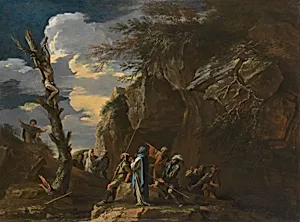
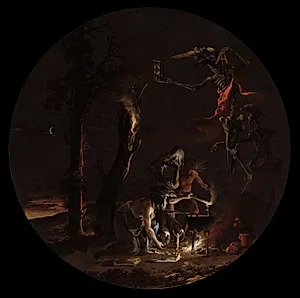
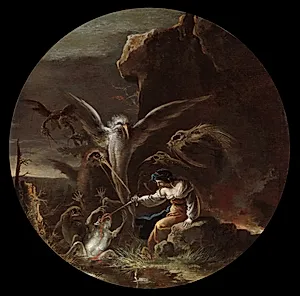
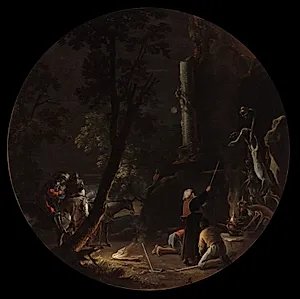
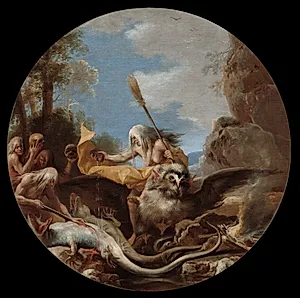
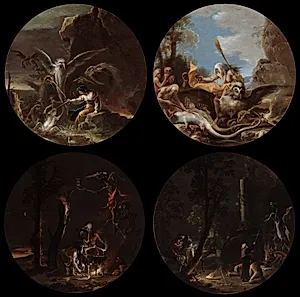
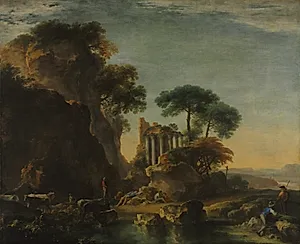
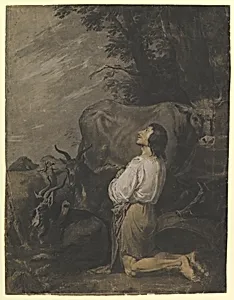
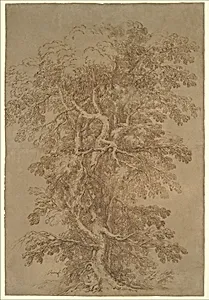
Rosa developed a radical vision of landscape that stood in deliberate opposition to the serene, pastoral compositions of his contemporary Claude Lorrain. Where Claude bathed his classical vistas in golden light, Rosa populated his scenes with wild, storm-battered terrain, rocky outcroppings, and bandits lurking in shadow. His canvases convey what later critics would call the Sublime — nature as something vast, threatening, and awe-inspiring rather than comforting. His major works include the brooding Democritus in Meditation (1650–51), the dramatic Saul and the Witch of Endor (1668), and his series of self-portraits that project an image of the artist as melancholic philosopher. He was equally accomplished as a printmaker and satirical poet.
In his own lifetime Rosa was celebrated as a polymath and a personality as much as a painter, his flamboyant reputation preceding his art. It was after his death in Rome in 1673 that his influence truly ignited. The Romantic movement of the late eighteenth and early nineteenth centuries looked to Rosa as a founding prophet of the Sublime, and the philosopher Edmund Burke identified him as its preeminent pictorial voice. Artists including J.M.W. Turner, Thomas Cole, and Washington Allston absorbed his lessons about untamed nature's power. Though his reputation faded through the Victorian era, serious scholarly reassessment from the 1970s onward has restored Rosa's standing as one of the most original landscape painters of the Baroque period and a genuine precursor of Romanticism.