Ctrl K
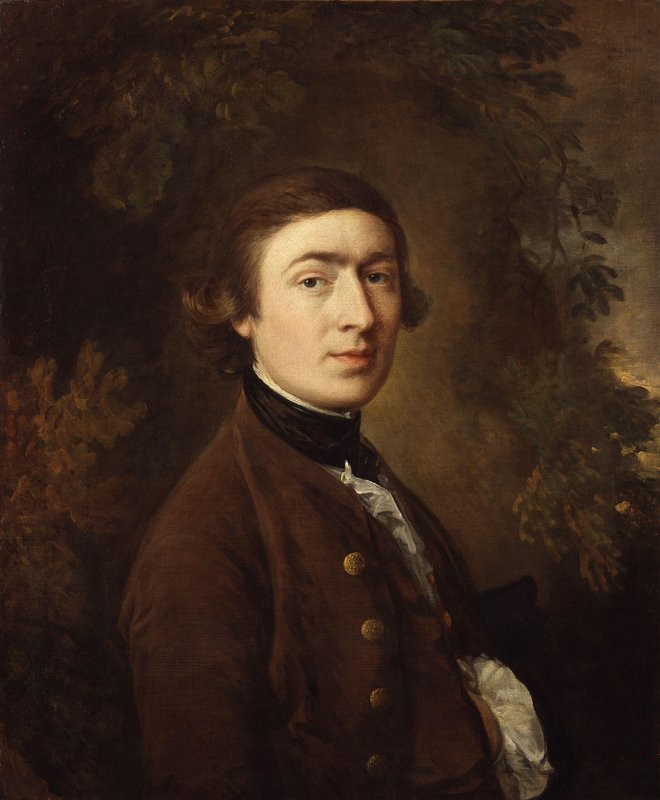
1727–1788
Movements
Occupations
Thomas Gainsborough was born on 14 May 1727 in Sudbury, Suffolk, the youngest of nine children to wool dealer John Gainsborough and his wife Mary. Demonstrating prodigious talent from childhood, he sketched landscapes in the local woods and fields, fostering his lifelong passion for the genre. At age thirteen, he moved to London, where he trained under the French engraver and illustrator Hubert-François Gravelot and became associated with William Hogarth's St Martin's Lane Academy. He assisted Francis Hayman in decorating Vauxhall Gardens, honing his skills in portraiture and landscape amid the vibrant artistic community.
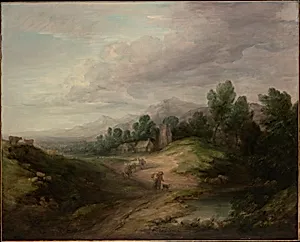
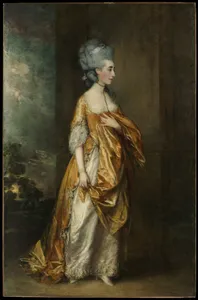
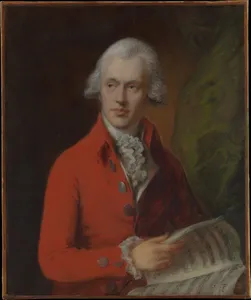
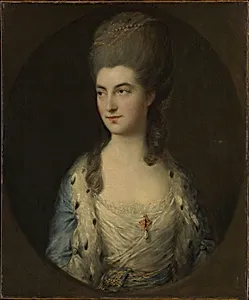
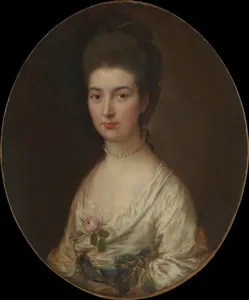
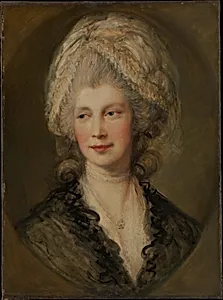
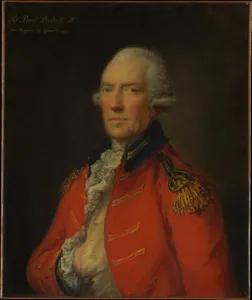
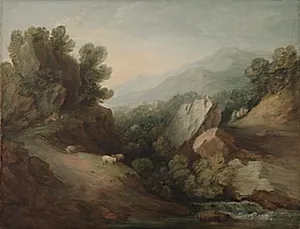
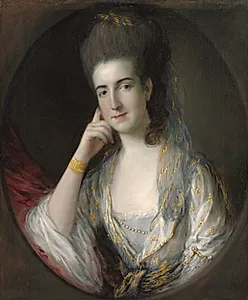
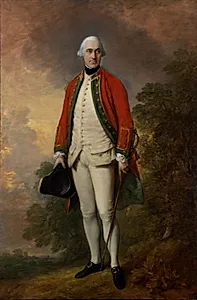
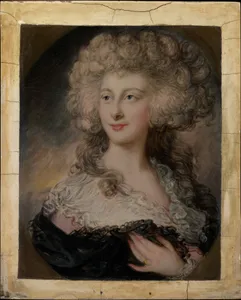
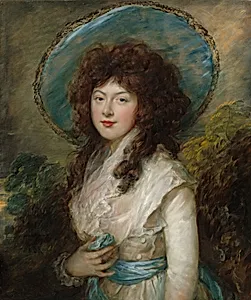
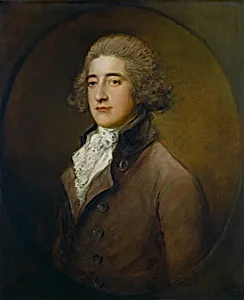
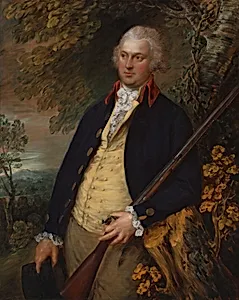
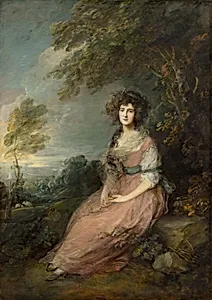
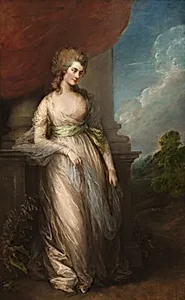
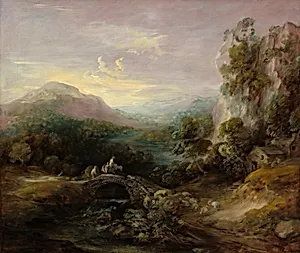
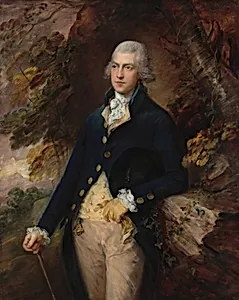
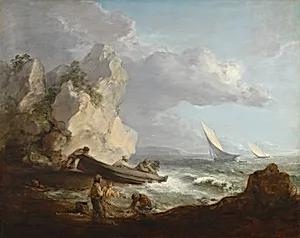
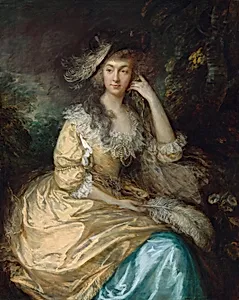
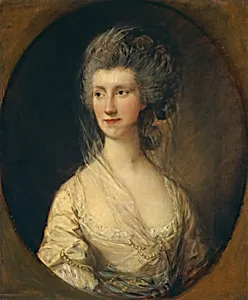
In 1746, Gainsborough married Margaret Burr, the illegitimate daughter of the 3rd Duke of Beaufort, and returned to Suffolk, establishing studios in Sudbury, Ipswich (1752), Bath (1759), and finally London (1774). A master of Rococo elegance with feathery brushwork, fluid strokes, and a light palette, he drew from Dutch landscapes, Van Dyck's portraits, and nature observed by candlelight. Though portrait commissions sustained him—depicting fashionable sitters in contemporary dress—he preferred rustic scenes, co-founding the 18th-century British landscape school with Richard Wilson. A founding Royal Academy member and rival to Joshua Reynolds, he quarreled over hanging arrangements and exhibited independently thereafter, yet remained King George III's favorite painter.
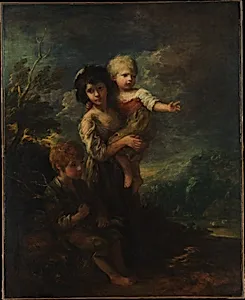
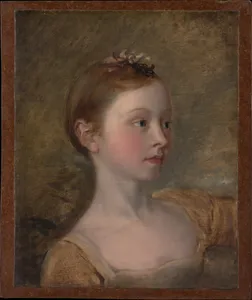
Gainsborough's oeuvre blends portraiture and landscape, as in *Mr and Mrs Andrews* (c. 1750), where sitters merge with Suffolk countryside, or intimate family works like *The Painter's Daughters Chasing a Butterfly* (1756) and *Mary and Margaret, the Painter's Daughters* (c. 1759), featuring daughters Mary and Margaret. Iconic pieces include *The Blue Boy* (1770), *The Harvest Wagon* (1767), *The Market Cart* (1786), and late rustic idylls such as *Cottage Children (The Wood Gatherers)* (1787). His nephew Gainsborough Dupont served as assistant.
Gainsborough died on 2 August 1788 in London, reconciled with Reynolds, who lauded his excellence. Buried in Kew with his wife and nephew, his innovative fusion of genres elevated British art, prioritizing natural observation over academic rules and ensuring enduring popularity among collectors and royals alike.
Wikidata/Wikimedia Commons
Exhibition
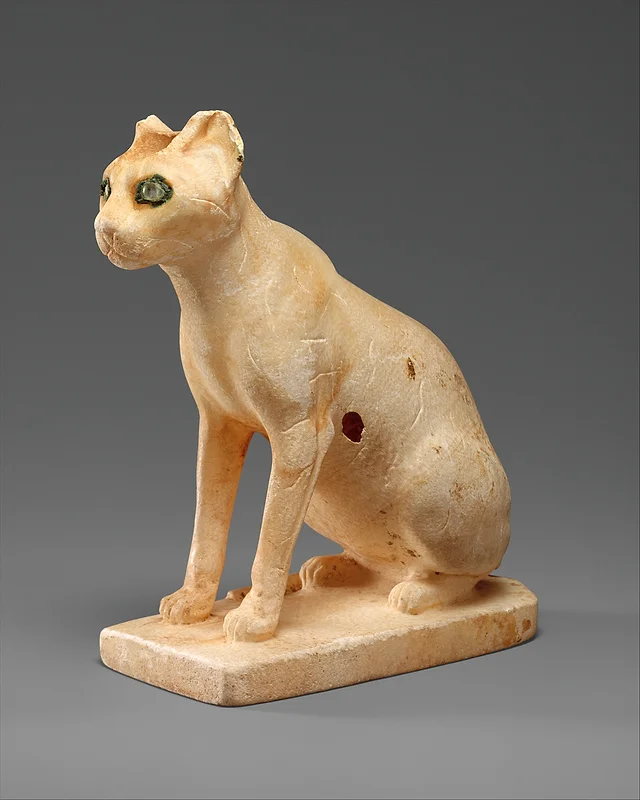
From sacred gods to sleeping companions — trace 4,000 years of humanity's love affair with cats through Egyptian bronze goddesses, Persian silver drinking vessels, Rembrandt etchings, Japanese ukiyo-e prints, and Impressionist sketches.