Ctrl K
1815–1905
Adolph Menzel (1815–1905) was a German painter, draftsman, and printmaker who became the most celebrated German artist of the nineteenth century and one of the most technically accomplished realists in European art. Born Adolph Friedrich Erdmann von Menzel in Breslau (now Wroclaw, Poland), he moved to Berlin as a teenager and was largely self-taught, taking over his father's lithographic business after his father's early death.
Menzel first gained recognition for his series of 400 wood engravings illustrating the life of Frederick the Great (1840–42), which demonstrated his extraordinary capacity for historical reconstruction and meticulous research. He subsequently painted a series of major oil paintings depicting episodes from Frederick's reign, including "The Flute Concert of Frederick the Great at Sanssouci" (1852), which became one of the most popular images in German art.
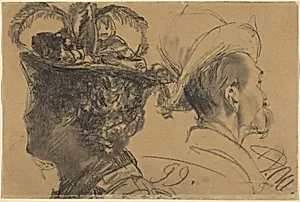
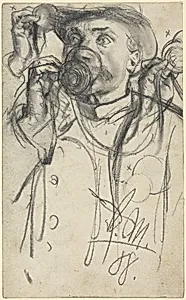
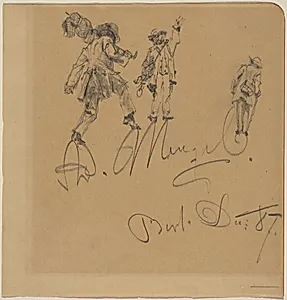
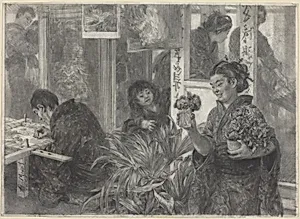
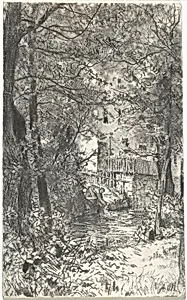
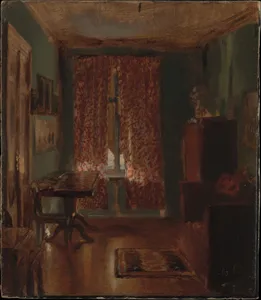
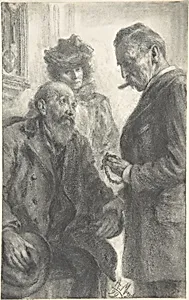
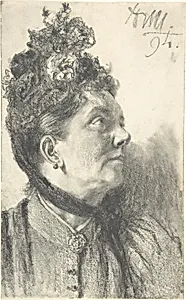
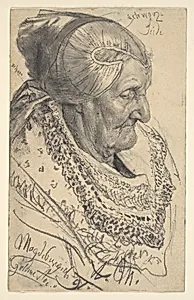
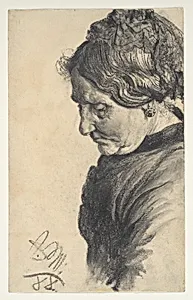
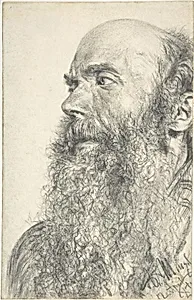
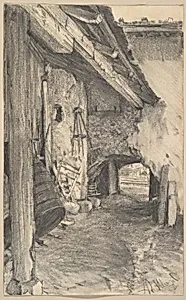
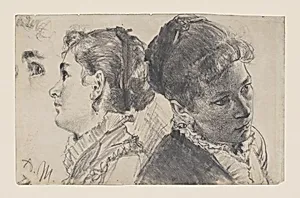
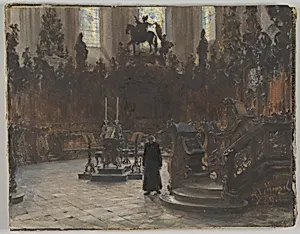
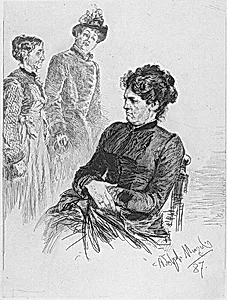
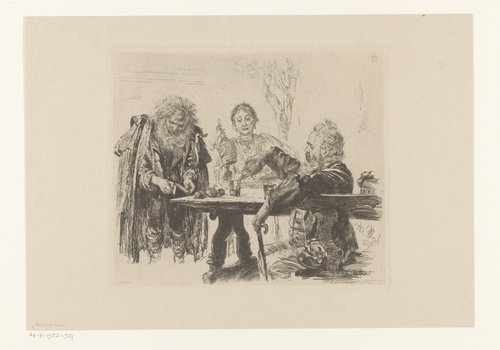
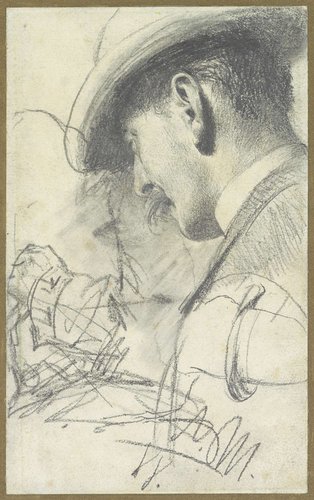
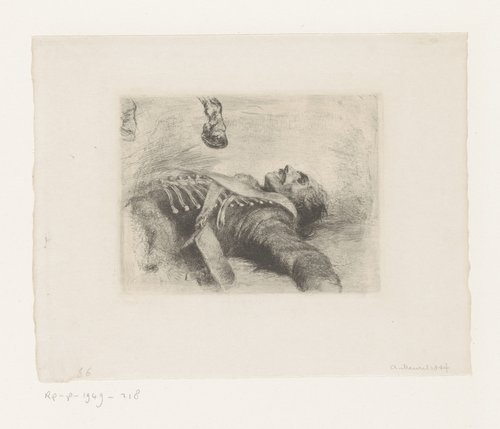
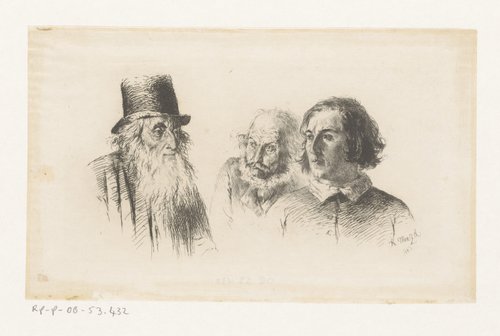
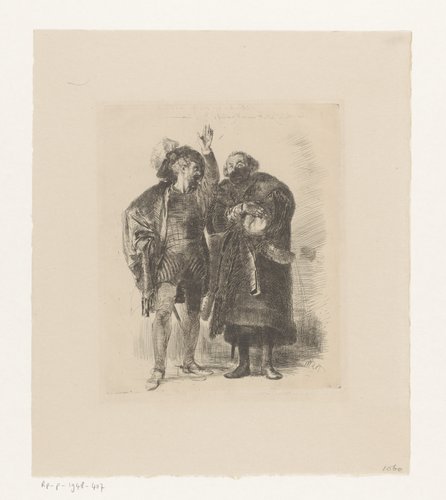
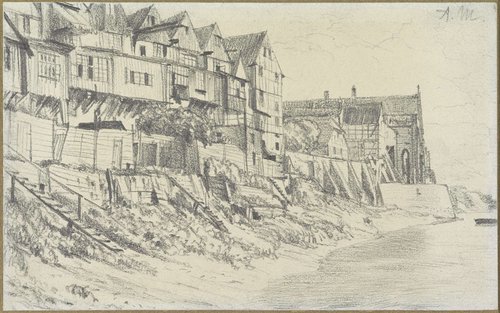
Menzel's most remarkable works, however, are his private studies — sketches, oil studies, and gouaches depicting contemporary Berlin life with an unflinching, almost photographic directness. "The Iron Rolling Mill" (1875) is a pioneering depiction of industrial labor, painted with a reportorial intensity that anticipated twentieth-century social realism. His countless drawings of rooms, figures, hands, and objects demonstrate an obsessive, almost compulsive devotion to recording visual reality.
Menzel received every honor available to a German artist, including ennoblement and the Order of the Black Eagle — the only visual artist ever to receive this distinction. Despite his enormous fame in Germany, he remained relatively unknown internationally. His work is held primarily by the Alte Nationalgalerie in Berlin, the Kupferstichkabinett, and museums across Germany.
![[Adolph Menzel]](https://images.artheonmuseum.org/met/ph/thumb/adolph-menzel-685911.webp)