Ctrl K
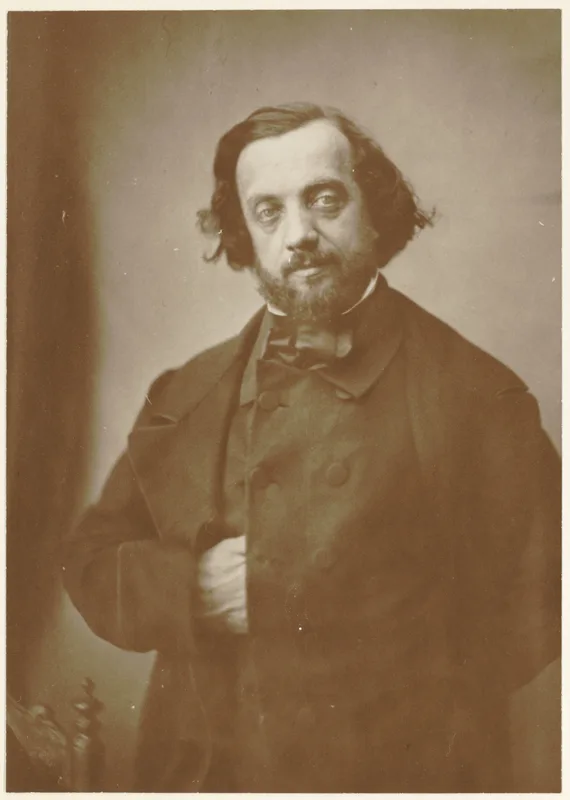
1818–1898
Adolphe Appian, born Jacques Barthélemy Adolphe Appian in Lyon, France, on August 28, 1819, began his artistic training at the age of fifteen at the École des Beaux-Arts de Lyon. There, he studied under the landscape painters Jean-Michel Grobon and Augustin Alexandre Thierrat, initially focusing on fabric decoration for the city's thriving silk industry. This practical grounding in drawing honed his skills in capturing natural forms and textures, laying the foundation for his lifelong passion for landscapes. Appian later traveled to Paris to further his education, where he immersed himself in the vibrant art scene, debuting at the Salon in 1853 with a painting and a charcoal drawing.
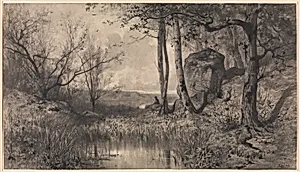
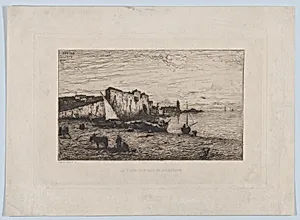
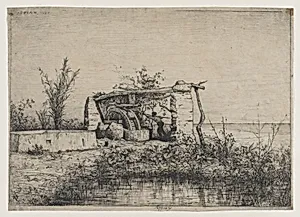
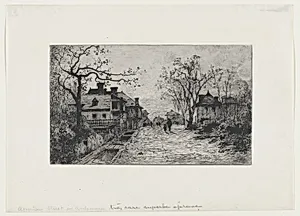
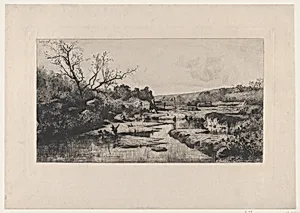
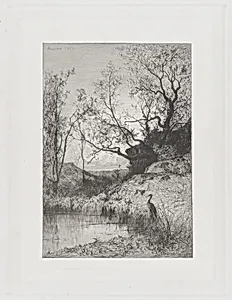
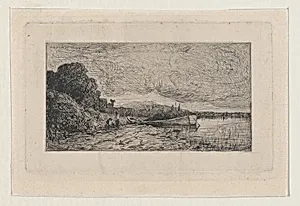
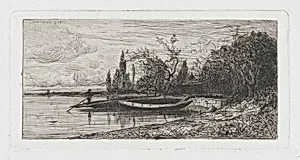
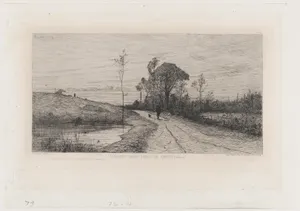
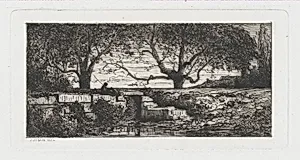
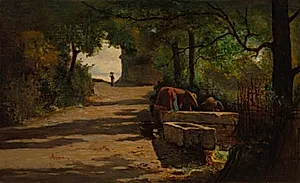
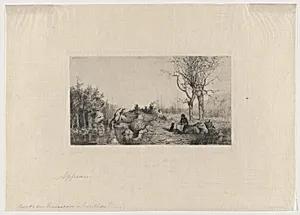
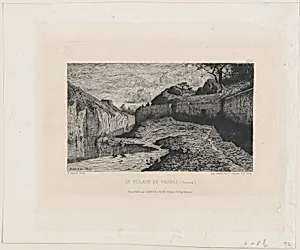
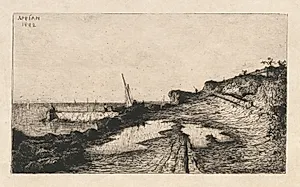
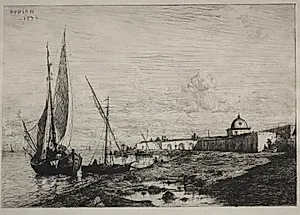
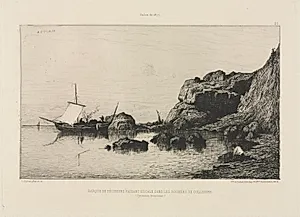
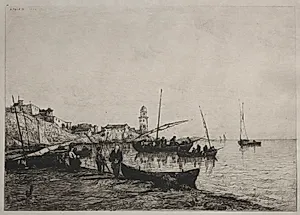
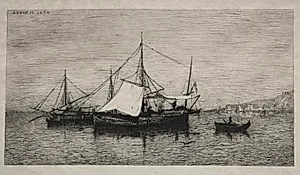
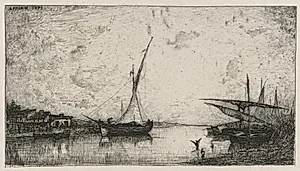
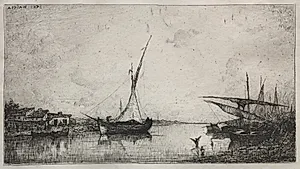
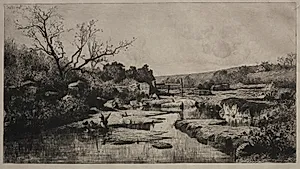
In Paris, Appian forged close friendships with Barbizon school luminaries Camille Corot and Charles-François Daubigny, whose emphasis on plein air painting and atmospheric effects profoundly shaped his style. He worked in the Barbizon tradition, producing evocative landscapes of the Rhône River valleys, southern France, and later the Mediterranean coasts, blending meticulous etching with luminous oils and masterful charcoals—earning him the moniker "the Delacroix of charcoal." Early works featured monochromatic palettes evoking misty evenings and riverbanks, evolving after 1870 into vibrant, sun-drenched scenes. From 1853, he created around ninety etchings, often printed by Auguste Delâtre, and joined the Société des Aquafortistes under publisher Alfred Cadart during the etching revival.
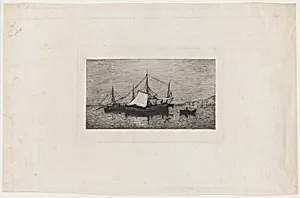
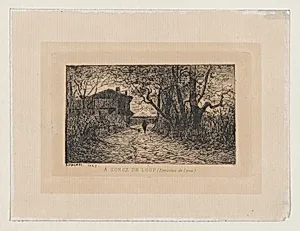
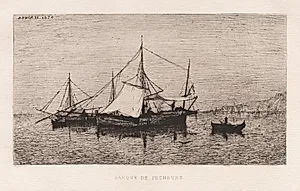
Among his standout works are *Le Soir aux Martigues* (c. 1850), *A Gorge de Loup* (1863, National Gallery of Art), *Le Lac du Bourget* (1867, purchased by Napoleon III), *Le Haut du Bois des Roches (Rossillon)* (1870, Musée municipal de Bourg-en-Bresse), and *Barque de Pêcheurs* (1874, National Gallery of Art). Appian was father to the painter Jean Louis Appian (1862–1896) and received accolades including gold medals at the Salon des Artistes Français (1868) and the Légion d'Honneur as Chevalier in 1892.
Appian's legacy endures in major collections worldwide, from the Musée des Beaux-Arts de Lyon to the Cleveland Museum of Art, influencing etchers like American Stephen Parrish. His prints and paintings celebrate nature's quiet poetry, bridging Lyonnaise regionalism with Barbizon realism, and remain prized for their tonal depth and emotional resonance.(347 words)